
The reasons for salt spray corrosion testing on electroplated parts on cars are as follows:
There are many metal parts in auto parts, such as body, chassis, engine, etc., and many gold-plated parts, such as electronic appliances, electroplated decorative parts, fasteners, etc. These metal parts can be exposed to corrosive environments, such as coastlines or salt lakes with high salt concentrations, resulting in loss of appearance and function of the body.
Salt spray corrosion test is an important means to evaluate the corrosion resistance of materials. By simulating the salt spray corrosion conditions in the Marine environment, the corrosion resistance of samples is evaluated. For automotive parts, the salt zero corrosion test chamber can evaluate its corrosion resistance and predict its service life in different environments, thus providing an important quality assurance basis for automobile manufacturers.
Salt spray corrosion test is usually divided into neutral salt spray (NSS) test, acetate spray (ASS) test, copper accelerated acetate spray (CASS) test, cyclic salt spray test and so on. The reason the cyclic salt spray corrosion test is more able to check the real corrosion state of the sample is also a stricter salt spray test, which is mainly used for parts with complex structure and serious corrosion, such as exhaust pipes, frames, oil pipes, wiper arms, etc.
In short, in order to ensure the quality and durability of the car, the car manufacturer needs to carry out salt spray corrosion tests on the electroplated parts on the car. There are many materials and products that need to be tested for salt spray corrosion, here are some common examples:
Metal and its alloys: including steel products, copper products, aluminum products, etc.
Coating and coating materials: such as spray coating, electroplating layer, anodic oxide layer, etc., the corrosion resistance and adhesion of the coating can be evaluated through salt spray testing.
Corrosion resistant materials: such as stainless steel, corrosion resistant alloys, etc. Salt spray corrosion test chamber Salt spray tests the corrosion resistance of these materials in harsh environments.
Electronic equipment and electrical components: including circuit boards, connectors, relays, etc. Salt spray testing assesses the corrosion resistance and reliability of these devices, especially in Marine or offshore engineering applications.
Automobile and vehicle parts: such as automobile body parts, engine parts, brake systems, etc. Salt spray testing can assess their resistance to corrosion when exposed to salt in cold areas or on winter roads.
Packaging materials: such as metal cans, plastic packaging, paper boxes, etc. Salt spray testing assesses the corrosion resistance and integrity of packaging materials during Marine transportation or storage.
Steel structure and building materials: such as steel bridge, construction steel, aluminum window frame, etc.
|
|
Name:Salt Spray Chamber Humidity Range:30% ~ 98% RH Temp. Range:+10 ℃ ~ +90 ℃ Spray Type:Continuous / Periodic Controller:PID controller |
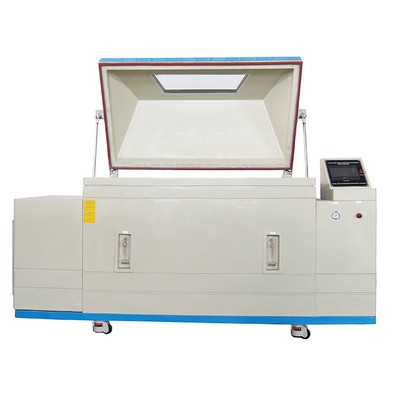
LIB can customize the salt spray corrosion test chamber for you, which has reached the standard you need to refer to. We are a China-based climate chamber manufacturers that specialize in environmental testing solutions. If you are looking for a cost-effective Salt Spray Chamber, then we will be your best choice, please contact us(info@libtestchamber.com)for more information about this device or other environmental test equipment.


