What is condensation
Condensation is a process by which water vapor (or any other gas) is transformed into liquid form. It occurs when moist air cools down, causing the water vapor within it to lose energy and convert back into tiny droplets of liquid water. This process is commonly observed in nature, such as when dew forms on plant leaves or when clouds form in the sky.
The main applications of condensation are found in various aspects of industries, such as cooling systems and distillation processes. One of the most common uses of condensation is in air conditioning systems, where hot air is cooled and dehumidified by passing it through a series of coils that cause the moisture in the air to condense into water droplets, which are then drained away. Similarly, many industrial processes use condensation to remove impurities and separate different substances, such as in distilling alcoholic beverages or purifying chemicals.
How condensation test chamber works
A condensation test chamber is a piece of equipment commonly used to test the resistance and durability of materials to various environmental conditions. The test chamber is designed to replicate conditions of high humidity or extreme temperature changes that may occur in various industrial or atmospheric environments.
The chamber works by using a combination of heating, cooling, and humidity control techniques. A sample is placed inside the chamber, and the temperature is raised up to the required level. This causes humidity to accumulate inside the chamber. Once the required level of humidity is achieved, the temperature is lowered rapidly to create condensation on the sample.
The condensation test chamber is commonly used to test the performance of materials in a range of industrial applications. This includes testing of materials for automotive components, building materials, paint coatings, textiles, and electrical components. The test can determine whether these materials would fail or deteriorate when subjected to humid conditions or rapid temperature changes.
Another common application of the condensation test chamber is for testing the durability of insulated windows and doors. The chamber can simulate extreme temperature changes, high humidity, and wind-driven rain, which is used to test the performance of these products in different weather conditions.
How does the condensation test chamber achieve a simulated corrosion environment?
Most polymer materials in the outdoors due to moisture (especially condensation) caused by corrosion more than other factors,
Therefore, the moisture resistance test of the coating is also an important method to evaluate its corrosion resistance test, which can be used as an important evaluation means to investigate the corrosion resistance of the coating.
The ISO 6270:2017 series of standards is a test method standard for assessing the resistance of coatings to wet environments, which consists of three parts:
Part 1: Condensation (unilateral exposure)
Part 2: Condensation (exposure in test chamber with heated water tank)
Part 3: Condensation (exposure in a test chamber with a heated, bubbling tank)
LIB produces different types of condensate test tanks according to the above standards to meet the testing needs of different products!
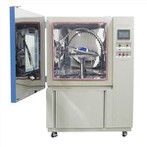
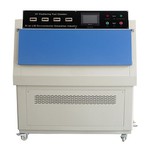
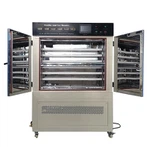
LIB condensation test chamber
|
|
Temperature Range: 10℃ ~ +60 ℃; Humidity Range: 95%RH ~ 100%; Sample shelf:1pc sample shelf + 1pc round bar ; Water trough: Build-in water trough in testing room; Controller: Ethernet connection, USB port; Water supply system: Automatic water supply; |

LIB can customize the gas fume test chamber for you, which has reached the standard you need to refer to. We are a China-based climate chamber manufacturers that specialize in environmental testing solutions. If you are looking for a cost-effective condensation test chamber, then we will be your best choice, please contact us(info@libtestchamber.com)for more information about this device or other environmental test equipment.