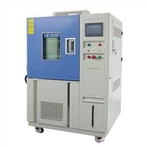
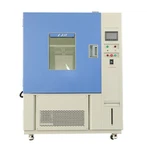
Imagine that your ship or other products that have been in contact with seawater or beaches for a long time. Under the day-to-day corrosion of salt water, the surface coating is gradually eroded, damaged, and peeled off, and its protective effect will disappear. Salt fog test chambers are essential tools in the world of environmental testing, providing valuable insights into how materials and products withstand corrosive environments.
These specialized chambers simulate harsh coastal or marine conditions, helping manufacturers ensure their products can withstand the test of time and environmental challenges. In this comprehensive guide, we'll explore the inner workings of salt fog chambers, their applications, and why they're crucial for various industries.

Understanding Salt Fog Chambers
The Purpose of Salt Fog Testing
Salt fog testing is a critical process used to evaluate the corrosion resistance of materials, coatings, and finished products. By exposing test specimens to a controlled, salt-laden environment, manufacturers can assess how their products will perform in real-world conditions where salt exposure is common, such as coastal areas or marine applications.
Components of a Salt Fog Chamber
A typical salt fog test chamber consists of several key components:
- A sealed enclosure
- A salt solution reservoir
- An atomizer or spray nozzle
- Temperature control systems
- Humidity control mechanisms
- Air supply and circulation systems
These components work together to create a controlled environment that mimics prolonged exposure to salt-laden atmospheres.
Types of Salt Fog Chamber
There are various types of salt fog test chambers available, including:
- Standard salt spray chamber
- Cyclic corrosion test chamber
- Salt Fog&SO2 Corrosion Chamber
Each type is designed to meet specific testing requirements and standards, catering to different industries and applications.
Why choose LIB
Reliable test equipment manufacturer

why choose our products
The spray tower is adjustable in height and spray volume to meet different test standards. Quartz nozzles are easy to clean and resistant to high temperatures, corrosion, and clogging.
Built-in 30 liter salt solution tank with a brine mixing system to keep the brine even.
PID control system, set the test parameters by button type. Continuous /periodic spray type can be operated according to test conditions.
The Salt Fog Chamber Process
Preparation of Salt Solution
The process begins with the preparation of a salt solution, typically consisting of sodium chloride dissolved in purified water. The concentration of this solution is carefully controlled to meet specific testing standards, such as ASTM B117 or ISO 9227.
Atomization and Spray Generation
The salt solution is then fed into an atomizer or spray nozzle, which converts it into a fine mist or fog. This atomization process is crucial for creating a uniform distribution of salt particles throughout the chamber.
Environmental Control
As the salt fog is introduced into the chamber, temperature, and humidity levels are precisely regulated. Most salt fog test chambers maintain a temperature of around 35 °C (95 °F) and relative humidity levels above 95%. These conditions accelerate the corrosion process, allowing for more rapid assessment of material performance.
Key Features of Salt Fog Test Chambers
Temperature and Humidity Control
Advanced salt fog chambers feature sophisticated temperature and humidity control systems. These systems ensure consistent testing conditions throughout the duration of the test, which can range from a few hours to several months, depending on the specific test protocol.
Spray Distribution and Fall-out Rate
The uniformity of salt fog distribution within the salt fog test chamber is crucial for accurate testing. High-quality chambers incorporate design features that promote even spray distribution and control the fall-out rate of salt particles, ensuring all test specimens receive equal exposure.
Corrosion-Resistant Construction
Given the corrosive nature of salt fog, these chambers are constructed using materials that can withstand prolonged exposure to saline environments. Common materials include fiberglass-reinforced plastics, specialized coatings, and corrosion-resistant metals.
Applications of Salt Fog Chambers
Automotive Industry
In the automotive sector, salt fog chambers are used to test the corrosion resistance of vehicle components, including body panels, fasteners, and coatings. This testing is particularly important for parts exposed to road salt during winter months.
Aerospace and Marine Industries
Aircraft and marine vessels operate in environments where exposure to salt is constant. Salt fog testing helps ensure that critical components can withstand these harsh conditions, maintaining safety and performance over time.
Electronics and Electrical Equipment
Electronic devices and electrical equipment often need to operate in coastal or marine environments. Salt fog testing helps manufacturers develop products that can resist corrosion and maintain functionality in these challenging conditions.
Interpreting Salt Fog Test Results
Visual Inspection
After exposure in a salt fog test chamber, specimens are typically evaluated through visual inspection. Technicians look for signs of corrosion, such as rust formation, pitting, or degradation of coatings.
Quantitative Analysis
In addition to visual assessments, quantitative measurements may be taken to determine the extent of corrosion. These can include weight loss measurements, surface profilometry, or electrochemical analysis.
Comparison to Standards
Test results are frequently compared to industry standards or specific performance criteria. This comparison helps determine whether a material or product meets the required level of corrosion resistance for its intended application.
Advancements in Salt Fog Chamber Technology
Automated Control Systems
Modern salt fog chambers typically incorporate automated control systems that allow for precise regulation of test conditions and remote monitoring of experiments. These systems can adjust parameters in real-time and provide detailed logs of test conditions.
Cyclic Corrosion Testing
Advanced chambers now offer the capability to perform cyclic corrosion tests, which alternate between salt fog exposure and dry or humid conditions. These tests more accurately simulate real-world environmental cycles and provide more comprehensive corrosion resistance data.
Integration with Data Analysis Software
Some cutting-edge salt fog chambers integrate with sophisticated data analysis software. This integration allows for real-time data collection, trend analysis, and predictive modeling of corrosion behavior.
Conclusion
Salt fog test chambers play a pivotal role in ensuring the durability and reliability of products across numerous industries. By simulating harsh, corrosive environments, these chambers help manufacturers develop materials and products that can withstand the challenges of real-world use. As technology continues to advance, we can expect salt fog testing to become even more sophisticated, providing increasingly accurate and valuable data for product development and quality assurance.
If you're looking to enhance your product testing capabilities or need more information about salt fog test chambers, don't hesitate to reach out to the experts at LIB Industry. Contact us at info@libtestchamber.com to discover how our turn-key environmental testing solutions can benefit your organization.
References
1. Smith, J. (2019). "Principles of Corrosion Testing in Salt Fog Chambers." Journal of Materials Engineering and Performance, 28(4), 2145-2160.
2. Johnson, A., & Brown, R. (2020). "Advancements in Automated Salt Fog Chamber Technology." Corrosion Science and Technology, 55(3), 312-328.
3. Lee, S., et al. (2018). "Comparative Study of Salt Fog and Cyclic Corrosion Testing Methods." Materials and Corrosion, 69(11), 1522-1535.
4. Garcia, M., & Rodriguez, C. (2021). "Salt Fog Testing in the Automotive Industry: Current Practices and Future Trends." SAE International Journal of Materials and Manufacturing, 14(1), 57-70.
5. Wilson, D. (2017). "Interpretation of Salt Fog Test Results: A Comprehensive Guide." Corrosion Engineering, Science and Technology, 52(7), 495-509.
6. Thompson, E., et al. (2022). "Salt Fog Chamber Design: Optimizing Performance and Reliability." Journal of Testing and Evaluation, 50(2), 1123-1140.