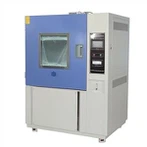
In the world of environmental testing, portable test chambers have emerged as indispensable tools for manufacturers, researchers, and quality control professionals. These compact and versatile devices offer a convenient way to conduct various environmental tests on-site or in limited spaces. Thanks to its relatively small size, you can even easily take it somewhere else.
This comprehensive guide explores the diverse range of portable test chambers available in the market, their applications, and the benefits they bring to different industries.

What is the Portable Test Chamber?
Portable test chambers are miniature versions of their larger counterparts, designed to simulate various environmental conditions in a compact, mobile format. These chambers allow for testing of products, materials, and components under controlled temperature, humidity, and other environmental factors. Their portability makes them ideal for field-testing, small-scale production environments, and situations where space is at a premium.
What Makes a Test Chamber Portable?
The portability of a test chamber is defined by its size, weight, and ease of transportation. These chambers are typically designed to be lightweight and equipped with wheels or handles for easy movement. Despite their smaller size, they maintain the ability to accurately replicate environmental conditions, ensuring reliable test results.
Applications of Portable Test Chambers
Portable test chambers are used in a variety of industries, including:
- Electronics: Testing the durability of devices under extreme conditions.
- Automotive: Simulating environmental conditions for vehicle components.
- Pharmaceuticals: Ensuring the stability of products during transportation.
Key Features of Portable Test Chambers
- Mobility: Easy to transport and set up in various locations.
- Versatility: Capable of simulating multiple environmental conditions.
- Efficiency: Provides reliable test results with minimal setup time.
Types of Portable Test Chambers
The market offers a diverse array of portable test chambers, each designed to meet specific testing requirements. Let's explore some of the most common types:
Portable Temperature Humidity Chambers
Portable temperature chambers are designed to test products and materials under various temperature conditions. These chambers can simulate extreme hot or cold environments, allowing manufacturers to assess the performance and durability of their products in different climates.
- Temperature Range: Typically, from -70 °C to +150 °C
- Humidity Range: Usually 10% to 98% RH
- Applications: Thermal stress testing, product reliability assessment, material degradation studies
- Features: Rapid temperature change rates, programmable temperature cycles
Portable Thermal Shock Chambers
Thermal shock chambers subject test specimens to rapid and extreme temperature changes. These chambers are essential for evaluating how materials and products withstand sudden temperature variations, which can occur in real-world scenarios.
- Temperature Range: Often -65 °C to +200 °C
- Applications: Testing electronic components, automotive parts, aerospace materials
- Features: Dual-zone design, fast transition times between hot and cold
Advanced Portable Test Chamber Technologies
As technology advances, portable test chambers are incorporating innovative features to enhance their capabilities and user experience:
Smart Connectivity and Remote Monitoring
Modern portable test chambers are equipped with smart connectivity options, allowing users to monitor and control tests remotely. This feature enables:
- Real-time data access via mobile devices or computers
- Remote adjustments to test parameters
- Automated alerts and notifications
- Integration with laboratory information management systems (LIMS)
Enhanced Energy Efficiency
Manufacturers are focusing on developing more energy-efficient portable test chambers to reduce operational costs and environmental impact. These advancements include:
- Improved insulation materials
- Energy-recuperation systems
- Optimized compressor and heating element designs
- Intelligent power management algorithms
Customizable and Modular Designs
To meet diverse testing needs, some manufacturers offer customizable and modular portable test chambers. These designs allow for:
- Interchangeable test modules for different environmental parameters
- Scalable chamber sizes to accommodate various sample sizes
- Integration of specialized testing equipment
- Easy upgrades and modifications as testing requirements evolve
Maintenance and Best Practices for Portable Test Chambers
Proper maintenance and operation of portable test chambers are essential for ensuring accurate test results and prolonging the equipment's lifespan:
Regular Cleaning and Inspection
Maintaining cleanliness and conducting routine inspections are crucial:
- Clean the chamber interior and exterior regularly
- Inspect seals and gaskets for wear or damage
- Check and clean air filters and condensation drainage systems
- Examine electrical connections and components for signs of wear
Calibration and Performance Verification
Ensuring accurate test conditions requires periodic calibration and verification:
- Schedule regular calibration of temperature and humidity sensors
- Perform performance checks using certified reference instruments
- Document calibration results and maintain calibration records
- Address any deviations or inconsistencies promptly
Proper Usage and Storage
Following best practices for usage and storage can extend the life of your portable test chamber:
- Operate the chamber within its specified environmental limits
- Allow sufficient warm-up and cool-down periods
- Store the chamber in a clean, dry environment when not in use
- Use appropriate packaging or covers during transportation
Conclusion
For manufacturers, researchers, and quality control professionals, understanding the types of portable test chambers available and their applications is crucial for making informed decisions. By carefully assessing your testing requirements and considering factors such as chamber specifications, manufacturer reliability, and maintenance needs, you can select the ideal portable test chamber for your specific applications.
If you're looking for high-quality portable test chambers or require expert advice on environmental testing solutions, LIB Industry is here to help. With our extensive experience in providing turn-key environmental testing solutions, we can assist you in finding the perfect portable test chamber for your needs. Contact us today at info@libtestchamber.com to learn more about our products and services.
References
1. Smith, J. (2022). Advancements in Portable Environmental Test Chambers. Journal of Environmental Testing, 15(2), 78-92.
2. Johnson, R., & Brown, L. (2021). Comparative Analysis of Portable vs. Stationary Test Chambers. Environmental Testing Technology, 8(4), 112-125.
3. Environmental Testing Association. (2023). Best Practices for Portable Test Chamber Maintenance. ETA Publications.
4. Lee, S., et al. (2022). Energy Efficiency Improvements in Modern Portable Test Chambers. Sustainable Testing Solutions, 10(3), 201-215.
5. Wilson, M. (2021). Industry Applications of Portable Environmental Test Chambers. Industrial Testing Review, 18(1), 45-58.
6. Thompson, K., & Garcia, A. (2023). Smart Connectivity in Portable Test Chambers: A Review. Digital Environmental Testing, 7(2), 89-103.