Thermal testing is a significant cycle in assessing the presentation and unwavering quality of electrical hardware under different temperature conditions. This blog will take you through the basic steps and considerations for effective thermal testing using thermal test equipment to ensure that your electrical components meet industry standards and work safely under different conditions.

Understanding Thermal Test Equipment
Thermal Test Chambers: The Heart of Temperature Testing
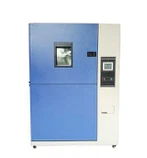
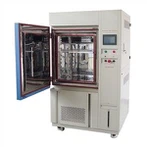
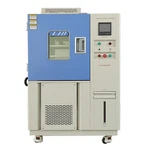
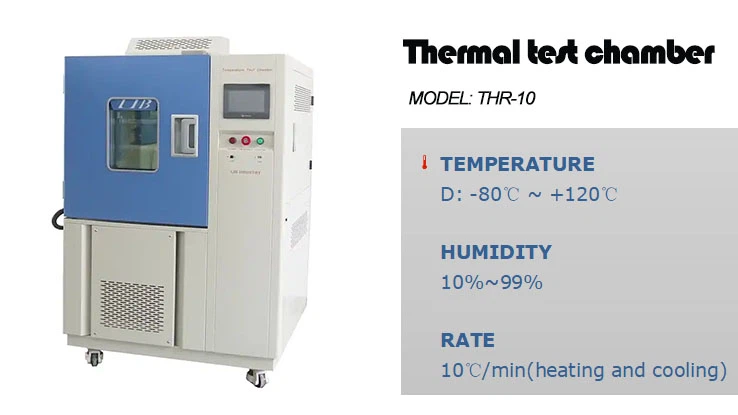
Thermal test chambers are specialized enclosures designed to simulate a wide range of temperature conditions. These chambers provide a controlled environment for subjecting electrical equipment to precise temperature variations. Modern thermal test equipment often includes features such as:
- Programmable temperature profiles
- Humidity control options
- Rapid temperature change capabilities
To guarantee compatibility with your unique testing requirements, consider variables like chamber size, temperature range, and heating/cooling rates when choosing a thermal test chamber.
Temperature Sensors: Precision Monitoring Tools
Accurate temperature measurement is paramount in thermal testing. High-quality temperature sensors are indispensable components of thermal test equipment. Common types include:
- Thermocouples
- Resistance Temperature Detectors (RTDs)
- Thermistors
Every sensor type offers special benefits as far as precision, reaction time, and temperature range. Choosing the proper sensors for your testing needs is critical for getting solid outcomes.
Data Acquisition Systems: Capturing Thermal Performance
To effectively analyze thermal test results, robust data acquisition systems are essential. These systems collect and record temperature data throughout the testing process, allowing for detailed analysis and reporting. Key features to look for in data acquisition systems include:
- Multi-channel capabilities
- High sampling rates
- Compatibility with various sensor types
Integrating a comprehensive data acquisition system with your thermal test equipment enhances the accuracy and efficiency of your testing procedures.
LIB thermal test equipment
Choose the plan that suits you best.
Self-constructed closed loop of industrial integration
Realise the closed loop of design,production and supply chain to ensure the lifeline of quality.
Powerful Brand Influence
Leading service brand with products sold in more than 50 countries.
15 Years of Deep Technology Accumulation
LIB has been in the environmental test equipment industry for more than 15 years, with a mature technical team and a complete manufacturing chain.
Intimate after-sales service
36 months long warranty; free after-sales service.
Preparing for Thermal Testing
Defining Test Objectives and Parameters
Before initiating thermal testing, it's crucial to clearly define your objectives and testing parameters. This preparatory phase involves:
- Identifying specific thermal performance criteria
- Determining temperature ranges and exposure durations
- Establishing pass/fail criteria
By meticulously outlining these aspects, you ensure that your thermal testing process aligns with your equipment's intended operating conditions and regulatory requirements.
Equipment Calibration and Verification
Ensuring the accuracy of your thermal test equipment is paramount. Regular calibration and verification procedures should include:
- Temperature sensor calibration
- Chamber temperature uniformity checks
- Data acquisition system accuracy verification
Implementing a rigorous calibration schedule maintains the integrity of your thermal testing results and helps identify any potential equipment issues before they impact your testing outcomes.
Test Sample Preparation
Proper preparation of electrical equipment samples is crucial for obtaining meaningful thermal test results. Key considerations include:
- Cleaning and inspecting samples for pre-existing damage
- Applying appropriate thermal interface materials
- Positioning samples to ensure uniform heat exposure
Careful attention to sample preparation minimizes variables that could skew test results and ensures that thermal performance data accurately reflects the equipment's characteristics.
Conducting the Thermal Test
Establishing Baseline Measurements
Before subjecting electrical equipment to thermal stress, it's essential to establish baseline performance measurements. This process typically involves:
- Conducting functional tests at room temperature
- Recording initial electrical parameters
- Documenting any pre-existing thermal characteristics
These standard estimations act as a source of perspective point for assessing the effect of thermal stress on hardware execution all through the testing system.
Implementing Temperature Profiles
Executing thermal tests using thermal test equipment involves subjecting electrical equipment to predetermined temperature profiles. This phase may include:
- Gradual temperature ramps to simulate natural environmental changes
- Thermal shock tests to evaluate rapid temperature fluctuations
- Extended exposure to extreme temperatures
Carefully designed temperature profiles ensure that your thermal testing comprehensively evaluates equipment performance across a range of realistic scenarios.
Monitoring and Data Collection

Throughout the thermal testing process, continuous monitoring and data collection are critical. Key aspects of this phase include:
- Real-time temperature tracking at multiple points
- Recording electrical performance parameters
- Documenting any visible changes or anomalies
Diligent monitoring allows for immediate identification of any unexpected behavior or potential equipment failures during thermal stress exposure.
Analyzing Thermal Test Results
Data Interpretation and Visualization
After completing thermal testing, thorough analysis of the collected data is essential.
This process typically involves:
- Generating temperature vs. time plots
- Comparing performance metrics across different temperature conditions
- Identifying any thermal-induced degradation or failures
Advanced data visualization techniques can help reveal subtle trends and correlations in the results obtained from testing with thermal test equipment, providing valuable insights into how the equipment behaves under various temperature conditions.
Statistical Analysis and Trend Identification
To extract meaningful conclusions from thermal test data, employing statistical analysis techniques is crucial. This may include:
- Calculating mean time to failure under specific thermal conditions
- Determining temperature coefficients for key performance parameters
- Assessing the statistical significance of observed thermal effects
By applying rigorous statistical methods, you can confidently identify trends and make evidence-based decisions regarding equipment reliability and performance.
Compliance Assessment and Reporting
The final step in analyzing thermal test results involves evaluating equipment performance against predetermined criteria and industry standards. This process typically includes:
- Comparing results to specified thermal operating ranges
- Assessing compliance with relevant regulatory requirements
- Generating comprehensive test reports documenting findings and conclusions
Thorough reporting not only validates equipment performance but also provides valuable documentation for quality assurance and regulatory compliance purposes.
Optimizing Thermal Test Procedures
Refining Test Protocols
Continuous improvement of thermal testing procedures is essential for maintaining the effectiveness and efficiency of your testing program. Consider implementing the following optimization strategies:
- Analyzing test durations to minimize unnecessary thermal exposure
- Exploring accelerated testing methods for faster results
- Incorporating lessons learned from previous tests into future protocols
By regularly refining your thermal test protocols, you can enhance the accuracy and relevance of your testing outcomes while potentially reducing testing time and costs.
Enhancing Equipment Reliability
Insights gained from thermal testing can be leveraged to improve the overall reliability of electrical equipment. This may involve:
- Identifying thermal weak points in equipment design
- Recommending thermal management solutions based on test results
- Validating the effectiveness of implemented thermal improvements
By applying thermal test findings to equipment design and manufacturing processes, you can proactively enhance product reliability and performance in real-world applications.
Integrating Thermal Testing with Other Environmental Factors
While thermal testing is crucial, it's often beneficial to consider the interplay between temperature and other environmental factors. Consider expanding your testing capabilities to include:
- Combined temperature and humidity testing
- Thermal cycling with vibration exposure
- Altitude simulation in conjunction with temperature variation
By coordinating different ecological elements into your testing routine, you can all the more precisely reenact certifiable circumstances and recognize likely synergistic consequences for gear execution.
Conclusion
In conclusion, conducting effective thermal tests on electrical equipment requires a comprehensive approach encompassing proper thermal test equipment selection, meticulous preparation, precise execution, and thorough analysis. By following the guidelines outlined in this article and continuously refining your testing procedures, you can ensure the reliability and performance of your electrical equipment across a wide range of thermal conditions.
Contact LIB Industry at info@libtestchamber.com for personalized assistance and cutting-edge thermal test solutions tailored to your unique requirements. Our team of experienced professionals is ready to help you optimize your testing processes and ensure the highest standards of equipment reliability and performance.
References
1. "Thermal Management Handbook for Electronic Assemblies" by James E. Sergent and Al Krum.
2. "Environmental Testing of Electronic Equipment" by Gale L. Paulsen.
3. "Reliability and Failure of Electronic Materials and Devices" by Milton Ohring.
4. "Thermal Design: Heat Sinks, Thermoelectrics, Heat Pipes, Compact Heat Exchangers, and Solar Cells" by H.S. Lee.
5. "The Handbook of Environmental Degradation of Materials" edited by Myer Kutz.
6. "Accelerated Testing and Validation" by Alex Porter.