In today's world, where products are used across diverse environments, ensuring they perform reliably under various temperature conditions is crucial. This is where thermal testing comes into play. Thermal tests simulate the temperature extremes a product might encounter, ensuring its durability and performance. In this article, we'll explore the process of conducting a thermal test, the importance of thermal test equipment, and how to interpret the results for optimal product development.
What is Thermal Testing?
Thermal testing is a critical process in product development and quality assurance. It involves exposing a product to various temperature conditions to evaluate its performance, reliability, and durability. The goal is to identify potential weaknesses or failures before the product reaches the market.
The Purpose of Thermal Testing
Thermal tests are essential for industries ranging from electronics to automotive to aerospace. By subjecting products to temperature extremes, manufacturers can:
- Assess Durability: Determine how long a product can withstand high or low temperatures without degrading.
- Ensure Reliability: Identify any potential failures that could occur under extreme thermal conditions.
- Optimize Design: Make necessary design adjustments to enhance the product's performance in different environments.
Types of Thermal Tests
There are several types of thermal tests that can be conducted, depending on the product and its intended use:
- Thermal Cycling: This test involves repeatedly cycling the product between high and low temperatures to simulate real-world conditions.
- Thermal Shock: In this test, the product is rapidly exposed to extreme temperature changes to assess its resistance to sudden thermal stresses.
- Temperature Humidity Test: This test evaluates the product's performance under varying temperature and humidity levels.
Industries that Rely on Thermal Testing
Thermal testing is vital across various industries, including:
- Electronics: Ensuring components like circuit boards can withstand temperature fluctuations.
- Automotive: Testing the durability of vehicle components in different climates.
- Aerospace: Evaluating the performance of materials and systems in the extreme temperatures encountered during flight.
Step-by-Step Guide to Conducting a Thermal Test
Conducting a thermal test requires careful planning and execution. Here's a step-by-step guide to help you perform a successful thermal test.
Define the Test Parameters
Before starting the test, it's crucial to define the parameters based on the product's intended use and the environment it will be exposed to.
- Temperature Range: Determine the temperature range that the product will be tested under. This should reflect the real-world conditions the product is likely to encounter.
- Test Duration: Decide how long the product will be exposed to each temperature condition. This could range from hours to days, depending on the product and the test objectives.
- Test Environment: Define whether the test will be conducted in a controlled laboratory environment or a more variable real-world setting.
Select the Right Thermal Test Equipment
Choosing the appropriate thermal test equipment is vital for accurate and reliable results.
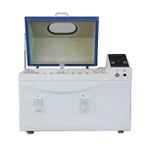
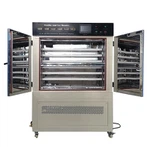
- Environmental Chambers: These are used to simulate various temperature conditions. Choose a chamber that can accurately control the temperature range and provide uniform conditions.
- Thermal Shock Chambers: If you're conducting thermal shock tests, select a chamber that can rapidly switch between extreme temperatures.
- Temperature Sensors: These are used to monitor the temperature of the product during the test. Ensure they are calibrated and provide precise readings.
Prepare the Product for Testing
Preparation is key to a successful thermal test. Ensure the product is ready for testing by following these steps:
- Inspection: Conduct a thorough inspection of the product to identify any pre-existing defects or issues that could affect the test results.
- Mounting: Secure the product in the test chamber to prevent movement during the test. This ensures consistent results.
- Calibration: If the product includes temperature sensors or other monitoring equipment, ensure they are properly calibrated before testing.
Conduct the Test
Once everything is set up, it's time to start the thermal test.
- Monitor Conditions: Keep a close eye on the temperature conditions inside the thermal test equipment. Ensure they remain within the defined parameters.
- Record Data: Continuously record the product's performance throughout the test. This includes any changes in temperature, as well as any visible signs of degradation or failure.
- Adjust Parameters if Necessary: If the product is not responding as expected, you may need to adjust the test parameters to get more accurate results.
Analyze the Result
After the test is complete, it's time to analyze the results and draw conclusions.
- Identify Weak Points: Look for any areas where the product showed signs of failure or degradation. These are potential weak points that may need to be addressed.
- Compare with Baseline Data: If available, compare the test results with baseline data to assess how well the product performed.
- Make Design Adjustments: Based on the results, consider making design adjustments to improve the product's thermal performance.
Importance of Thermal Test Equipment
Thermal test equipment is essential for conducting accurate and reliable tests. The right equipment ensures that the test conditions are consistent and that the results are valid.
Choosing the Right Equipment
Selecting the right thermal test equipment depends on several factors:
- Temperature Range: Ensure the equipment can handle the temperature range required for your test.
- Precision: Look for equipment that offers precise temperature control and monitoring.
- Reliability: Choose equipment from reputable manufacturers to ensure reliability and accuracy.
Maintenance and Calibration
Regular maintenance and calibration of your thermal test equipment are crucial for ensuring accurate results.
- Routine Maintenance: Regularly inspect and maintain your equipment to prevent any issues during testing.
- Calibration: Ensure your equipment is calibrated to provide accurate temperature readings.
Benefits of High-Quality Equipment
Investing in high-quality thermal test equipment offers several benefits:
- Accurate Results: High-quality equipment provides accurate and reliable test results.
- Reduced Downtime: Reliable equipment reduces the risk of downtime during testing, saving time and resources.
- Long-Term Savings: Investing in quality equipment may have a higher upfront cost, but it pays off in the long run through reduced maintenance and increased accuracy.

Interior Volume: 50L-3000L customizable
Temperature Fluctuation: ± 0.5 ℃
Temperature Deviation: ± 2.0 ℃
Humidity Uniform: ± 2.5% RH
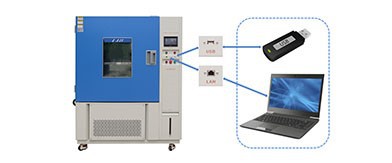
Controller
Programmable color LCD touch screen controller
Remote control is possible in a variety of ways
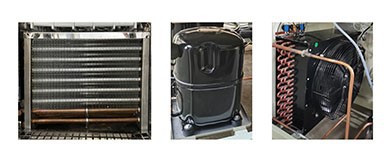
Cooling
Mechanical compression refrigeration system
French TECUMSEH compressor
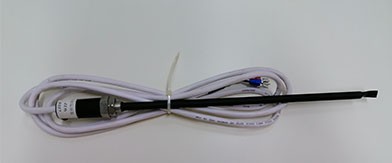
Temperature Sensor
PTR Platinum Resistance PT100Ω/MV A-class, accuracy 0.001℃
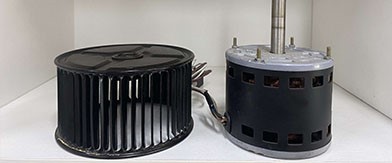
Air Circulation
Centrifugal wind fan
Interpreting Thermal Test Results
Interpreting the results of a thermal test is just as important as conducting the test itself. Proper analysis ensures that the data collected during the test is used effectively.
Data Analysis Techniques
There are several techniques for analyzing thermal test data:
- Trend Analysis: Look for trends in the data to identify patterns or anomalies that may indicate potential issues.
- Comparative Analysis: Compare the test results with previous tests or baseline data to assess the product's performance.
- Failure Mode Analysis: Identify the root cause of any failures observed during the test.
Making Data-Driven Decisions
Use the data collected during the thermal test to make informed decisions about the product's design and development.
- Design Improvements: Use the test results to make necessary design improvements that enhance the product's thermal performance.
- Product Validation: Validate the product's performance under thermal conditions, ensuring it meets the required standards.
- Risk Mitigation: Identify and mitigate any potential risks that could impact the product's reliability and durability.
Reporting and Documentation
Proper documentation of the thermal test results is essential for future reference and regulatory compliance.
- Test Reports: Prepare detailed test reports that include all relevant data, observations, and conclusions.
- Documentation Standards: Ensure your documentation meets industry standards and regulatory requirements.
Conclusion
Conducting a thermal test is a vital part of product development and quality assurance. By following the steps outlined in this guide, you can ensure that your products are tested thoroughly and perform reliably under various temperature conditions. High-quality thermal test equipment is essential for accurate and reliable results, and proper analysis of the data ensures that your products meet the required standards.
If you need more information about Thermal Test Equipment or require assistance with your testing needs, please contact us at info@libtestchamber.com.
References
1. Brown, M. (2023). Thermal Testing for Electronics: Ensuring Reliability in Extreme Conditions. Thermal Engineering Journal.
2. Smith, J. (2022). The Role of Environmental Chambers in Product Development. Manufacturing Technology Review.
3. Green, T. (2021). Analyzing Thermal Test Data for Product Improvement. Product Testing Insights.
4. Patel, R. (2020). Selecting the Right Thermal Test Equipment for Your Needs. Industrial Testing Quarterly.
5. Wilson, H. (2019). Understanding Thermal Cycling and Its Impact on Product Reliability. Engineering Today.
6. Lee, K. (2018). The Importance of Calibrating Thermal Test Equipment. Test Equipment Journal.