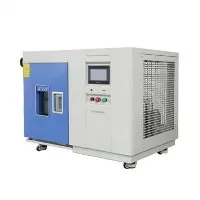
Thermal testing is a crucial process in various industries to ensure that products can withstand extreme temperatures and temperature fluctuations during their operational life. But what exactly does thermal testing involve? In this blog, we will dive into the principle of thermal testing, explore its significance, and discuss the thermal test equipment used in the process. Whether you are a seasoned engineer or someone new to this field, this article will provide you with valuable insights into thermal testing.
Understanding Thermal Testing: The Basics
Thermal testing refers to the process of subjecting products, materials, or components to different temperature conditions to evaluate their performance and durability. This type of testing is essential in industries like aerospace, automotive, electronics, and many others where products are expected to function reliably under varying environmental conditions.
The Role of Thermal Test Equipment
Thermal test equipment plays a pivotal role in the testing process. These tools are designed to simulate the environmental conditions that a product might encounter during its lifecycle. The equipment can generate extremely high or low temperatures and rapidly switch between them to test how a product responds to thermal stress. Common thermal test equipment includes temperature chambers, thermal shock chambers, and ovens.
- Temperature Chambers: These are enclosed spaces where products are exposed to controlled temperature settings. They are versatile and can be used for various testing protocols.
- Thermal Shock Chambers: Designed to subject products to rapid temperature changes, these chambers are essential for testing the durability of components under sudden thermal stress.
- Ovens: Used mainly for high-temperature testing, ovens help evaluate the resistance of materials to prolonged exposure to elevated temperatures.
How Thermal Testing Ensures Product Reliability
Thermal testing is not just about exposing products to extreme temperatures; it's about ensuring that these products can perform reliably even under the harshest conditions. The principle behind thermal testing lies in understanding how materials and components behave when exposed to different temperatures in thermal test equipment. By identifying potential weaknesses during testing, manufacturers can make necessary adjustments to improve product quality.
- Thermal Expansion: Different materials expand or contract at varying rates when exposed to heat or cold. Understanding these properties helps in designing products that can withstand temperature-induced stress.
- Thermal Cycling: Repeated exposure to high and low temperatures can lead to material fatigue. Thermal cycling tests help in identifying such issues, ensuring that products are durable over time.
- Heat Dissipation: Proper heat management is crucial, especially in electronics. Thermal testing evaluates how well a product can dissipate heat, preventing overheating and potential failures.
Applications of Thermal Testing Across Industries
Thermal testing is a versatile process with applications across various industries. Each industry has its own set of requirements, and thermal testing helps in meeting these by ensuring product reliability and safety.
- Aerospace: In the aerospace industry, components are exposed to extreme temperatures at high altitudes. Thermal testing ensures that these components can withstand such conditions without failing.
- Automotive: Vehicles encounter a wide range of temperatures, from cold winters to hot summers. Thermal testing helps in verifying that automotive components like engines and electronics can perform reliably in all conditions.
- Electronics: Overheating is a major concern in electronic devices. Thermal testing helps in assessing the heat tolerance of components, ensuring that they can operate safely under different temperature conditions.
Thermal Testing Methodologies: An In-Depth Look
Now that we have a basic understanding of thermal testing, let's delve into the various methodologies used in the process. Each methodology serves a specific purpose, and choosing the right one is crucial for obtaining accurate and reliable results.
Steady-State Thermal Testing
Steady-state thermal testing involves exposing a product to a constant temperature for an extended period of time in thermal test equipment. This methodology is used to evaluate how well a product can maintain its performance under stable temperature conditions.
- Purpose: Steady-state testing is ideal for products that are expected to operate continuously in a specific temperature range.
- Procedure: The product is placed in a temperature chamber, and the temperature is set to a predetermined level. The product is then monitored for any changes in performance over time.
- Outcome: The results help in determining the product's thermal stability and its ability to perform reliably under consistent temperature conditions.
Thermal Shock Testing
Thermal shock testing is used to evaluate how well a product can withstand rapid temperature changes. This is particularly important for products that will be exposed to sudden temperature fluctuations in their operational environment.
- Purpose: Thermal shock testing identifies potential weaknesses in materials and components that could lead to failure when subjected to rapid temperature changes.
- Procedure: The product is placed in a thermal shock chamber, where it is alternately exposed to high and low temperatures in quick succession.
- Outcome: The results help manufacturers improve product design by identifying and addressing issues related to thermal stress.
Cyclic Thermal Testing
Cyclic thermal testing involves subjecting a product to repeated cycles of high and low temperatures. This methodology is used to assess the long-term durability of a product under conditions of thermal cycling.
- Purpose: Cyclic thermal testing is essential for products that will experience frequent temperature changes during their operational life.
- Procedure: The product is placed in a temperature chamber, and the temperature is cycled between high and low levels over a set number of cycles.
- Outcome: The results help in understanding how repeated thermal stress affects the product's performance and longevity.
The Future of Thermal Testing: Emerging Trends and Technologies
As industries continue to evolve, so does the field of thermal testing. Advancements in technology are driving the development of more sophisticated thermal test equipment and methodologies. In this section, we will explore some of the emerging trends and technologies in thermal testing.
Automation in Thermal Testing
Automation is playing an increasingly important role in thermal testing. Automated systems can perform tests with greater precision and efficiency, reducing the potential for human error and increasing the reliability of results.
- Advantages: Automation allows for continuous monitoring of test conditions, real-time data analysis, and faster testing cycles.
- Implementation: Modern thermal test equipment is often equipped with advanced control systems that allow for automated testing procedures.
- Impact: Automation is leading to more consistent and accurate test results, helping manufacturers produce higher-quality products.
Integration of Thermal Testing with Other Testing Methods
Thermal testing is often combined with other testing methods, such as vibration testing, to provide a more comprehensive assessment of product durability. This integrated approach is particularly useful in industries like aerospace and automotive, where products are subjected to multiple stressors simultaneously.
- Purpose: Integrating thermal testing with other methods provides a more holistic view of a product's performance under real-world conditions.
- Procedure: Products are subjected to thermal, vibration, and other stress tests in a coordinated manner to simulate actual operational environments.
- Outcome: The results help manufacturers identify potential failure points and improve overall product design.
Advancements in Thermal Test Equipment
The development of more advanced thermal test equipment is enabling more precise and accurate testing. These advancements are helping industries meet the increasing demands for product reliability and safety.
- New Technologies: Innovations in sensor technology, data analysis, and control systems are enhancing the capabilities of thermal test equipment.
- Applications: These advancements are being applied in various industries, from electronics to aerospace, to improve the accuracy and efficiency of thermal testing.
- Future Outlook: As technology continues to advance, we can expect further improvements in thermal test equipment, leading to even more reliable testing procedures.
Conclusion
Thermal testing is an essential process that ensures the reliability and durability of products across various industries. By understanding the principle of thermal testing and utilizing advanced thermal test equipment, manufacturers can produce products that meet the highest standards of quality and safety.
If you want to learn more about thermal testing and how it can benefit your industry, feel free to reach out to us at info@libtestchamber.com. Our experts are here to help you find the best solutions for your thermal testing needs.
References
1. Principles of Thermal Testing: An Overview
2. The Role of Thermal Shock Chambers in Product Durability Testing
3. Advancements in Thermal Test Equipment Technology
4. Cyclic Thermal Testing: Assessing Long-Term Durability
5. Integrating Thermal and Vibration Testing in Aerospace Applications
6. Automation in Thermal Testing: Enhancing Precision and Efficiency