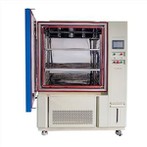
The sulfur dioxide corrosion test is a standardized laboratory test used to evaluate the corrosion resistance of materials under acidic gas conditions. This test is commonly used in the automotive and aerospace industries to test the durability of materials used in exhaust pipes, engines, and aircraft components.
During the test, samples of the material being tested are exposed to a controlled atmosphere of sulfur dioxide gas at a specific temperature and humidity. The gas rapidly corrodes materials, which allows researchers to measure the rate of corrosion.
The test helps determine the suitability of materials for use in harsh environments and can assist in the selection of materials for specific applications. It can also provide valuable information on the performance of protective coatings and surface treatments.
The results of the sulfur dioxide corrosion test can inform manufacturers, engineers, and material scientists on how to improve and innovate materials to withstand harsh and corrosive environments without compromising safety and durability.
What are the common international standards for sulfur dioxide corrosion testing?
Sulfur dioxide is known to cause corrosion in various materials, including metals, plastics, and ceramics. To ensure the safety and reliability of products in different industries, international standards have been established for testing the resistance of materials to sulfur dioxide corrosion. In this article, we will discuss the common international standards for sulfur dioxide corrosion testing.
- ISO 3231:2016 - Rubber-covered rollers - Determination of resistance to atmospheric ozone, ultraviolet radiation, and sulfur dioxide
ISO 3231:2016 is a widely recognized standard for testing the resistance of rubber-covered rollers to atmospheric ozone, ultraviolet radiation, and sulfur dioxide. The standard outlines the procedures for exposing the rubber samples to a controlled environment containing a specific concentration of sulfur dioxide for a specified period. The samples are then examined for signs of cracking, blistering, or other forms of deterioration.
- ASTM G85 - Standard Practice for Modified Salt Spray (Fog) Testing
ASTM G85 is a widely used standard for testing the corrosion resistance of metallic materials, including coated and uncoated materials, exposed to sulfur dioxide. The standard involves exposing the test specimens to a salt fog with added sulfur dioxide gas for a specified period. The specimens are then examined for corrosion damage.
- ISO 6988:1985 - Metallic and other non-organic coatings - Sulfur dioxide test with general condensation of moisture
ISO 6988:1985 specifies the test method for evaluating the corrosion resistance of metallic and other non-organic coatings to sulfur dioxide. The testing is carried out by exposing the coated test specimens to a sulfur dioxide atmosphere with moisture for a specified period. The samples are evaluated for any degradation or corrosion damage.
- EN ISO 9227:2017 - Corrosion tests in artificial atmospheres - Salt spray tests
EN ISO 9227:2017 is a widely accepted standard for testing the corrosion resistance of metallic materials exposed to a salt spray containing sulfur dioxide. The test involves exposing the metallic specimens to the salt spray environment for a specified duration, after which the samples are evaluated for any corrosion damage.
Sulfur dioxide corrosion test equipment
|
|
Name: SO2 Noxious Gas Test Chamber Temperature: 15℃~80℃; |