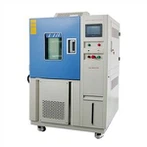
Cryogenic test chambers are essential tools for industries that require testing materials, components, or products at extremely low temperatures. Whether you are in aerospace, automotive, electronics, or any other sector that demands rigorous environmental testing, understanding how to effectively use a cryogenic test chamber is vital. This guide will walk you through the fundamentals, offering practical insights to ensure you utilize these chambers to their full potential.

What is a Cryogenic Test Chamber?
Before diving into the specifics of usage, it's crucial to have a clear understanding of what a cryogenic test chamber is and how it operates. These chambers are designed to simulate extremely low-temperature environments, often reaching as low as -196°C. This capability allows manufacturers to test the durability, performance, and reliability of their products under conditions they might face in real-world applications.
Key Components of a Cryogenic Test Chamber
- Insulated Chamber: The core of the system, where the test specimens are placed. It is heavily insulated to maintain a stable low-temperature environment.
- Cooling System: Typically relies on liquid nitrogen or another cryogenic fluid to achieve and maintain the desired temperatures.
- Control Panel: Allows operators to set and monitor temperature conditions, ensuring precise control over the testing environment.
These components work together to simulate challenging conditions, providing invaluable data on how materials and products behave under freezing.
The Importance of Pre-Test Preparation
Before starting any test, it's essential to prepare both the cryogenic test chamber and the test specimens. This preparation includes calibrating the chamber, ensuring that it's free from contaminants, and verifying that all safety protocols are in place. Proper calibration ensures that you get accurate and reliable data, which is crucial for making informed decisions based on your test results.
Safety Considerations
Cryogenic temperatures pose significant risks, not just to the materials being tested, but also to the personnel conducting the tests. Always wear appropriate personal protective equipment (PPE), such as insulated gloves and face shields, to protect against frostbite and other cold-related injuries. Additionally, ensure that the test chamber is operated in a well-ventilated area to prevent the accumulation of potentially hazardous gases like nitrogen.
Step-by-Step Guide to Using a Cryogenic Test Chamber
Now that you have a foundational understanding of the cryogenic test chamber and its components, let's explore the step-by-step process of using it effectively.
Preparing Your Test Specimen
- Material Selection: Choose materials that are known to withstand extremely low temperatures or that are specifically meant to be tested for cryogenic resilience.
- Specimen Size and Shape: Ensure the size and shape of the test specimens fit within the chamber's dimensions, allowing for adequate airflow and uniform temperature distribution.
- Pre-Test Inspection: Conduct a thorough inspection of the specimens before placing them in the chamber. Look for any pre-existing defects or inconsistencies that could affect the test results.
Setting Up the Test Chamber
- Calibrating the Temperature: Use the control panel to set the desired temperature. It's important to account for the time it will take for the chamber to reach the target temperature, especially when dealing with extreme lows.
- Achieving Thermal Equilibrium: Allow the chamber to reach a stable temperature before placing the specimens inside. This step ensures that the test environment is consistent throughout the testing period.
- Loading the Specimen: Carefully place the specimens inside the chamber using appropriate tools and PPE. Ensure that they are positioned correctly to avoid any contact between the specimens and the chamber walls, which could lead to inconsistent results.
Monitoring and Analyzing the Test
- Continuous Monitoring: Keep a close eye on the cryogenic test chamber's temperature and the condition of the specimens throughout the test. Modern chambers often come with automated monitoring systems that can alert you to any deviations from the set parameters.
- Data Collection: Gather data at regular intervals, focusing on key metrics such as material deformation, structural integrity, and any other relevant performance indicators.
- Post-Test Analysis: Once the test is complete, carefully remove the specimens and perform a detailed analysis. Compare the results against your baseline data to assess the impact of the cryogenic conditions on the specimens.
Maximizing the Benefits of Your Cryogenic Test Chamber
Using a cryogenic test chamber effectively is about more than just following the steps outlined above. To truly maximize the benefits, it's important to integrate the chamber into a broader testing and development strategy.
Integrating Cryogenic Testing into Product Development
- Prototype Testing: Use cryogenic testing early in the product development cycle to identify potential weaknesses in materials or design. This proactive approach can save time and resources by addressing issues before they become critical.
- Quality Assurance: Incorporate cryogenic tests into your quality assurance processes to ensure that every product meets the necessary standards for performance in extreme conditions.
- Compliance and Certification: Many industries require products to pass specific cryogenic tests to meet regulatory standards. By integrating these tests into your development process, you can ensure that your products are fully compliant and ready for certification, giving you a competitive edge in the market.
Leveraging Test Data for Continuous Improvement
- Data Analysis: Utilize the data collected during cryogenic testing to identify patterns and trends. This analysis can provide insights into how materials behave under extreme cold and can inform future material selection and design decisions.
- Product Iteration: Use the insights gained from cryogenic testing to iterate on your product designs. Small changes in material composition, structural design, or manufacturing processes can yield significant improvements in performance.
- Feedback Loop: Establish a feedback loop where the results of cryogenic testing directly influence ongoing development efforts. This loop ensures that your products continuously evolve to meet the highest standards of durability and reliability.
Maintenance and Upkeep of Your Cryogenic Test Chamber
- Regular Calibration: To maintain accuracy, regularly calibrate your cryogenic test chamber according to the manufacturer's recommendations. Calibration ensures that the chamber continues to produce reliable and consistent results.
- Routine Inspections: Conduct routine inspections of the chamber's components, such as the cooling system and insulation, to identify any wear and tear. Addressing issues early can prevent costly downtime and ensure the chamber remains in optimal working condition.
- Software Updates: If your chamber uses software for control and data collection, ensure it's regularly updated. Software updates can enhance functionality, improve user interfaces, and fix any bugs that could impact testing accuracy.

LIB Cryogenic Test Chamber
|
Temperature Range |
-120℃ ~ +150℃ |
|
Temperature Fluctuation |
± 0.5 ℃ |
|
Temperature Deviation |
± 2.0 ℃ |
|
Cooling Rate |
1 ℃ / min |
|
Heating Rate |
3 ℃ / min |
Conclusion
Understanding how to use a cryogenic test chamber effectively is essential for manufacturers across various industries. By mastering the operation of these chambers, you can ensure that your products are tested under the most extreme conditions, providing valuable insights into their performance and durability. From preparing your test specimens to analyzing post-test data, each step plays a crucial role in achieving accurate and meaningful results.
Contact Us
If you're looking to integrate cryogenic testing into your product development process, or if you need further guidance on how to maximize the capabilities of your cryogenic test chamber, don't hesitate to reach out to us. At LIB Industry, we specialize in providing turn-key solutions for environmental testing. Contact us at info@libtestchamber.com to learn more about how we can support your testing needs.
References
1. "Cryogenic Testing: A Comprehensive Guide," Journal of Environmental Testing, 2023.
2. "Material Behavior at Low Temperatures," International Journal of Materials Science, 2022.
3. "Advances in Cryogenic Engineering," Cryogenics Today, 2021.
4. "Environmental Testing Standards and Regulations," Global Testing Standards Association, 2023.
5. "The Impact of Cryogenic Conditions on Composite Materials," Aerospace Materials Review, 2022.
6. "Integration of Cryogenic Testing in Product Development," Engineering Insights, 2023.