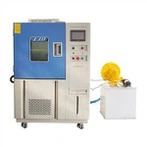
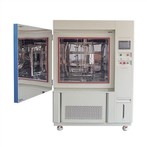
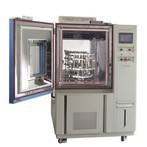
Using an industrial oven, also known as a drying oven, is crucial in various manufacturing and processing industries. Whether you are baking, curing, or drying materials, understanding how to operate these ovens safely can prevent accidents and improve efficiency. This guide will walk you through essential safety practices to ensure that your use of an industrial oven is both effective and secure.
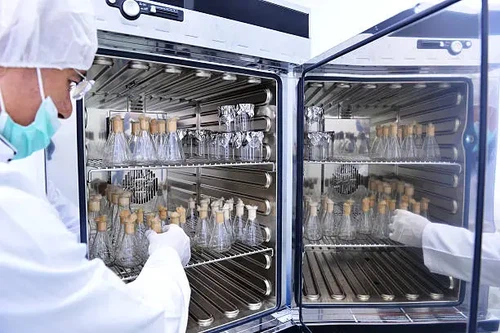
What Are the Basics of Industrial Ovens?
Industrial ovens are specialized pieces of equipment used in various industries for processes such as heating, drying, curing, and baking. These ovens come in different types, each designed for specific applications and processes. The key components of an industrial oven as follows:
-
Heating Elements
These are the core components that generate the necessary heat for the oven's operation. Heating elements can be electric or gas-fired, depending on the oven's design and application. They must be robust and reliable to ensure consistent performance.
-
Temperature Controls
Accurate temperature control is vital for industrial ovens to ensure that the desired temperature is maintained throughout the process. These controls can range from simple thermostats to advanced digital controllers with programmable settings and feedback systems.
-
Safety Interlocks
Safety interlocks are critical for preventing accidents and ensuring safe operation. They are designed to stop the oven from operating if certain safety conditions are not met, such as the door being open or the temperature exceeding safe limits.
-
Ventilation Systems
Proper ventilation is essential to ensure adequate airflow and to remove hazardous fumes and by-products generated during the heating process. Ventilation systems help maintain a safe working environment and prevent the buildup of dangerous substances.

By familiarizing yourself with these components and their functions, you can better appreciate the safety measures needed when using an industrial oven.
What Are the Essential Safety Tips for Using an Industrial Oven?
Safety should always be your top priority when operating an industrial oven. Here are some crucial tips to ensure safe usage:
Proper Installation and Maintenance
- Installation: It is crucial to have qualified professionals handle the installation of the industrial oven according to the precise guidelines provided by the manufacturer. This includes ensuring that the oven is positioned on a stable surface that is non-flammable and suitable for its weight and dimensions. Proper electrical connections must be established as per the specified requirements to ensure safe operation and to prevent electrical hazards.
- Maintenance: Regular maintenance is essential to keep an industrial oven operating safely and efficiently. This involves conducting routine inspections to identify any signs of wear and tear, corrosion, or other potential hazards. Cleaning the oven regularly is also important to prevent the accumulation of combustible materials that could pose a fire risk. Additionally, scheduling periodic professional maintenance ensures that all components, including heating elements, temperature controls, and safety interlocks, are functioning correctly and within safe operational parameters.
Training and Safety Protocols
- Training: Provide Comprehensive training is essential for all personnel who will be operating the industrial oven. Training should cover not only the basic operation of the oven but also specific safety features and protocols. Operators must be familiarized with emergency shutdown procedures, safe handling practices for materials, and the correct use of personal protective equipment (PPE) to minimize risks.
- Safety Protocols: Establishing and enforcing standard operating procedures (SOPs) is critical to ensure consistent safety practices when using the industrial oven. SOPs should outline protocols for starting up and shutting down the oven, monitoring temperature settings, handling materials safely, and responding to emergencies. It is important to visibly post emergency contact information, evacuation procedures, and the location of fire extinguishers and first-aid kits in the vicinity of the oven.
Operating the Oven Safely
- Pre-Operation Checks: Before starting the industrial oven, operators should conduct thorough pre-operation checks. This includes inspecting the oven for any visible damage, ensuring that all safety interlocks are engaged and functioning properly, and verifying that the workspace is clear of any flammable materials or obstructions.
- During Operation: While the oven is in use, operators should never leave it unattended. Continuous monitoring of temperature settings and operating conditions is essential to prevent overheating, equipment malfunction, or potential hazards. Using appropriate tools and wearing necessary protective gear, such as heat-resistant gloves and safety glasses, is crucial when handling materials entering or exiting the oven.
- Post-Operation Procedures: After completing a heating cycle or shutting down the oven, it is important to allow sufficient time for the oven to cool down before performing any maintenance or cleaning tasks. Properly shutting off the power supply and disconnecting the oven from electrical sources when it will not be in use for an extended period helps prevent accidental starts and electrical hazards.
How to Address Common Safety Concerns?
Even with the best precautions, you may encounter some common safety issues when using an industrial oven. Here's how to address them:
- Overheating and Fire Hazards
Overheating can lead to fires, which is a significant risk in any industrial setting. To prevent this:
- Always adhere to the recommended temperature settings for different materials.
- Use the oven's built-in safety features, such as over-temperature alarms and automatic shut-off systems.
- Ensure that the ventilation system is working properly to prevent the accumulation of flammable gases.
- Electrical Safety
Industrial ovens typically require high power, which increases the risk of electrical hazards. To mitigate this:
- Regularly inspect electrical connections for signs of wear or damage.
- Avoid using extension cords or power strips, which can overheat and cause fires.
- Ensure that the oven's electrical system includes proper grounding and circuit protection.
- Handling Hazardous Materials
If your process involves hazardous materials, additional precautions are necessary:
- Store hazardous materials away from the oven and only bring them into the vicinity when ready to use.
- Use appropriate containment and handling procedures to prevent spills and exposure.
- Train employees on the specific risks associated with the materials they will be handling and the necessary safety measures.
Conclusion
Using an industrial oven safely involves understanding its operation, adhering to strict safety protocols, and addressing common safety concerns proactively. By ensuring proper installation, providing adequate training, and following safe operating procedures, you can minimize risks and create a safe working environment. Always prioritize safety to protect your employees and equipment while achieving optimal results in your industrial processes.
If you want to learn more about this kind of Temperature Oven, welcome to contact us info@libtestchamber.com.
References
1. Smith, J. Industrial Oven Safety Guidelines. Engineering Safety Journal, 2020.
2. Occupational Safety and Health Administration (OSHA). Control of Hazardous Energy (Lockout/Tagout). OSHA Publication No. 3120, 2019.
3. National Fire Protection Association (NFPA). NFPA 86: Standard for Ovens and Furnaces. NFPA, 2021.
4. European Agency for Safety and Health at Work (EU-OSHA). Guide to Safe Use of Industrial Ovens. EU-OSHA Publications, 2018.
5. American Society of Safety Professionals (ASSP). Industrial Oven Safety: Best Practices and Standards. ASSP, 2020.
6. International Organization for Standardization (ISO). ISO 13849-1: Safety of machinery - Safety-related parts of control systems - Part 1: General principles for design. ISO, 2021.