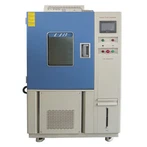
Environmental chambers play a crucial role in testing and validating the performance of various products under controlled conditions. Whether you're a manufacturer, researcher, or engineer, understanding the purpose and functionality of these chambers can significantly impact your testing processes and outcomes. This blog explores the essential aspects of environmental chambers, focusing on the benchtop environmental chamber, its test execution standards, and its role in ensuring product reliability.
What Are the Environmental Chambers?
Environmental chambers, including the benchtop environmental chamber, are specialized equipment designed to simulate a range of environmental conditions. These conditions can include temperature variations, humidity levels, and even altitude changes. By replicating these conditions, these chambers help test the durability, performance, and safety of products in a controlled environment.
A benchtop environmental chamber is a compact and versatile tool used primarily for small-scale testing. Unlike larger environmental chambers, a benchtop model is designed to fit on a workbench, making it ideal for laboratories and smaller testing facilities. The following are the advantages of benchtop environmental chambers:
- Space Efficiency: Its compact size allows it to be used in labs with limited space, making it a popular choice for many research and development teams.
- Cost-Effectiveness: Benchtop chambers generally cost less than their larger counterparts, making them accessible for smaller budgets while still providing precise environmental control.
- Convenience: Being smaller and often more portable, these chambers are easier to set up and operate, providing quick access to testing capabilities.
What Are the Key Functions of benchtop environmental chambers?
Benchtop environmental chambers are designed to perform a variety of tests that can include:
Temperature Cycling
This involves exposing products to a series of temperature changes to assess how well they perform under fluctuating thermal conditions. This is critical for understanding how materials and components will behave in real-world temperature extremes.
Humidity Testing
By adjusting the humidity levels, these chambers help determine how moisture can affect product performance. This is essential for testing products that will be exposed to varying humidity conditions, such as electronics and packaging materials.
Altitude Simulation
Some chambers can simulate different altitudes to test how products perform under various atmospheric pressures. This is particularly important for products used in aviation or high-altitude environments.
What are the key processes of benchtop environmental testing?
Using a benchtop environmental chamber involves several key steps to ensure accurate and reliable results:
Preparation and Setup
Before initiating any tests, thorough preparation and setup are essential to ensure accuracy and consistency in the results.
- Calibration: Proper calibration of the benchtop environmental chamber is crucial. This involves setting the chamber to the desired temperature, humidity, and any other environmental parameters. Calibration ensures that the chamber operates within the specified ranges and delivers accurate conditions throughout the testing process.
- Sample Preparation: Products or materials to be tested need to be prepared according to the specific requirements of the test. This may involve conditioning samples to a baseline state, mounting them securely within the chamber, and ensuring that they are representative of the real-world application.
- Configuration: Setting up the chamber involves configuring it to mimic the specific environmental conditions required for the test. This includes programming temperature cycles, humidity levels, or other environmental factors based on the test standards.
Execution of Tests
The execution phase involves running the test according to the predetermined parameters. This phase includes:
- Environmental Simulation: The chamber simulates the desired environmental conditions. This can include subjecting the sample to varying temperatures, humidity levels, or even altitude conditions. The chamber's ability to create precise and consistent environments is crucial for obtaining reliable results.
- Monitoring: During the test, continuous monitoring is essential to track how the sample responds to the simulated conditions. Many benchtop environmental chambers come equipped with sensors and data logging systems that record temperature, humidity, and other relevant metrics in real-time.
- Adjustments: If necessary, adjustments may be made during the test to correct any deviations from the set parameters. This ensures that the environmental conditions remain consistent throughout the testing process.
Data Collection and Analysis
Once the test is completed, collecting and analyzing the data is critical to evaluate the performance of the tested product.
- Data Collection: The chamber's data logging system captures various metrics throughout the test, such as temperature changes, humidity levels, and sample conditions. This data is collected in a structured format for analysis.
- Analysis: The collected data is analyzed to assess the product's performance under the simulated conditions. This analysis can reveal insights into how the product reacts to environmental stressors, including any potential failures or weaknesses.
- Reporting: After analyzing the data, a detailed report is prepared. This report includes findings, observations, and recommendations based on the test results. It helps in understanding the product's reliability and performance and guides any necessary improvements or modifications.
Post-Test Evaluation
After the test, it's essential to conduct a post-test evaluation to ensure all aspects of the testing process are reviewed.
- Inspection: The tested samples are inspected for any visible changes or damages. This inspection helps identify any issues that might have arisen during the test.
- Cleaning and Maintenance: The benchtop environmental chamber and any accessories used during the test are cleaned and maintained. Regular maintenance ensures that the chamber remains in good working condition and is ready for future tests.
- Documentation: Proper documentation of the test procedures, results, and any anomalies is crucial for future reference. This documentation helps maintain a record of testing activities and can be useful for troubleshooting and improving test methodologies.
Conclusion
In summary, environmental chambers, especially benchtop environmental chambers, are invaluable tools for testing and validating products in controlled conditions. Their ability to simulate various environmental factors enables manufacturers and researchers to ensure their products are reliable and perform as expected. By understanding the purpose and functionality of these chambers, you can make informed decisions about your testing processes and improve the overall quality and durability of your products.
If you have any questions or need further assistance with Benchtop Temperature Humidity Environment Test Chamber, feel free to contact us at info@libtestchamber.com.
References
1. ASTM International. (2021). Standard Guide for Environmental Conditioning of Material Samples.
2. Sorrells, G. L., & Landers, K. S. (2018). "Handbook of Environmental Testing and Analysis." CRC Press.
3. Schmidt, C., & Jäger, R. (2020). "Design and Application of Environmental Test Chambers for R&D Laboratories." Springer.
4. ISO 17025:2017. General requirements for the competence of testing and calibration laboratories.
5. Beckett, A. (2019). "Practical Guide to Environmental Testing." Wiley.