JIS Z 2371 salt spray chamber plays a crucial role in evaluating the corrosion resistance of materials and protective coatings. These specialized chambers simulate harsh saline environments, allowing manufacturers to assess how their products withstand corrosive conditions over time. The JIS Z 2371 standard, developed by the Japanese Industrial Standards Committee, outlines specific requirements for salt spray testing, including chamber design, test procedures, and evaluation criteria.
Key Components and Parameters in JIS Z 2371 Standard
-
Salt Solution Specifications
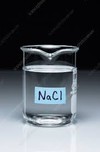
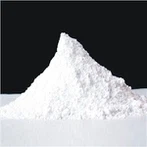
The JIS Z 2371 standard mandates precise salt solution specifications to ensure consistent and reproducible test results. The salt solution used in the chamber typically consists of sodium chloride dissolved in deionized water, with a concentration ranging from 3% to 5% by weight. The pH of the solution is carefully controlled, usually between 6.5 and 7.2, to mimic real-world corrosive environments accurately. Additionally, the standard specifies the purity requirements for the salt and water used in the solution, minimizing the influence of contaminants on test outcomes.
-
Chamber Design and Construction
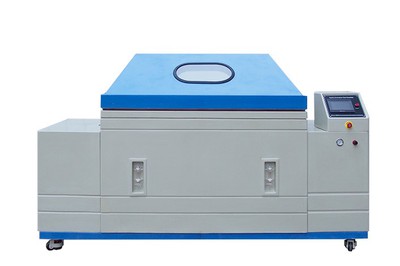
The design and construction of JIS Z 2371 salt spray test chambers are critical for maintaining a stable testing environment. These chambers are typically made of corrosion-resistant materials such as fiberglass-reinforced plastic or stainless steel to withstand the harsh salt spray conditions. The interior of the chamber is designed to ensure uniform distribution of the salt fog, often incorporating features like baffles or diffusers. Temperature control systems maintain the chamber at the specified test temperature, usually around 35°C ± 1°C. Proper sealing and insulation are essential to prevent contamination and maintain consistent humidity levels within the chamber.
-
Test Duration and Cycling Parameters
JIS Z 2371 outlines specific test durations and cycling parameters to simulate long-term exposure to corrosive environments. Test durations can range from a few hours to several thousand hours, depending on the material being tested and the intended application. Some tests may incorporate cyclic exposure patterns, alternating between salt spray, humidity, and drying periods to replicate real-world conditions more accurately. The standard also specifies the salt fog fallout rate, typically between 1 and 2 ml per 80 cm² per hour, ensuring consistent exposure across all test specimens.
Corrosion Mechanism of Salt Spray Test

-
Electrochemical Processes
The corrosion mechanism in a JIS Z 2371 salt spray test chamber primarily involves electrochemical processes. When metal specimens are exposed to the salt fog, an electrolyte forms on their surfaces, facilitating the movement of ions. This creates localized anodic and cathodic regions on the metal surface, leading to the oxidation of the metal at anodic sites and reduction reactions at cathodic sites. The continuous supply of chloride ions from the salt solution accelerates this process, breaking down protective oxide layers and promoting the formation of corrosion products. Understanding these electrochemical processes is crucial for interpreting test results and developing more effective corrosion protection strategies.
-
Influence of Environmental Factors
Environmental factors within the JIS Z 2371 salt spray test chamber significantly influence the corrosion mechanism. Temperature plays a vital role in accelerating chemical reactions and increasing ion mobility, thereby intensifying the corrosion process. The high humidity maintained in the chamber ensures continuous wetting of the specimen surface, preventing the formation of protective dry films. Oxygen availability, controlled by the chamber's design, affects the cathodic reaction rate and the nature of corrosion products formed. These carefully controlled environmental factors work synergistically to create a highly corrosive atmosphere that effectively simulates long-term exposure in a fraction of the time.
-
Material-Specific Corrosion Behaviors
Different materials exhibit unique corrosion behaviors when subjected to JIS Z 2371 salt spray testing. Ferrous metals typically experience rapid rusting due to the formation of iron oxides and hydroxides. Non-ferrous metals like aluminum may undergo pitting corrosion or form protective oxide layers depending on their alloy composition. Coated materials often show degradation patterns such as blistering, delamination, or underfilm corrosion. Understanding these material-specific responses is essential for accurately interpreting test results and optimizing corrosion protection strategies for various applications. The JIS Z 2371 salt spray test chamber provides a controlled environment to study these diverse corrosion mechanisms across a wide range of materials.
Evaluation of Salt Spray Corrosion Test Results
In corrosion resistance testing using JIS Z 2371, two key indices are often used to evaluate the results: the overall corrosion index and the local corrosion index. These indices provide a comprehensive view of how the material responds to salt spray exposure, offering valuable insights into its longevity and susceptibility to damage.
-
Overall Corrosion Index
The overall corrosion index is a broad measure of the corrosion resistance of the entire surface of the test sample. This index takes into account factors like the extent of surface rust, the uniformity of corrosion, and the degradation of the material. It provides a general indication of the material's performance under sustained exposure to salt spray. A low overall corrosion index signifies better corrosion resistance, while a high index suggests a higher degree of corrosion and, consequently, a need for improved material protection or coating.
-
Local Corrosion Index
In contrast, the local corrosion index focuses on specific points of corrosion on the test sample. It evaluates how localized areas, such as edges, corners, or joints, are affected by the salt spray environment. Localized corrosion is often a critical factor in determining the overall lifespan of a material, as it can lead to premature failure at specific points. The local corrosion index helps identify weak spots that may need additional protective measures, such as reinforcement or different coating techniques.
LIB JIS Z 2371 Salt Spray Test Chamber
|
|
Temperature Range: Ambient ~ +60 ℃ Temperature Fluctuation: ± 0.5 ℃ Temperature Deviation: ± 2.0 ℃ Humidity Range :95% ~ 98% RH Salt Fog Deposition: 1~2ml / 80cm2 · h Spray Type: Continuous / Periodic Air Preheating: Saturated air barrel Spraying System: Atomizer tower and Spray nozzles |
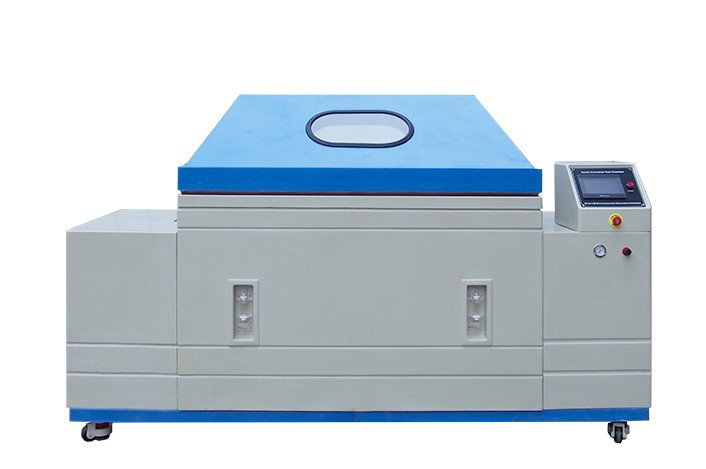
For more information about our JIS Z 2371 salt spray test chambers and how they can benefit your corrosion testing needs, please contact us at info@libtestchamber.com. Our expert team is ready to provide you with tailored solutions for your environmental testing requirements.