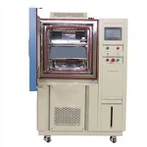
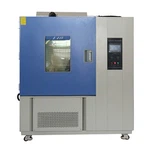
Automotive need thermal cyclic tests to ensure the durability, reliability, and safety of their components and systems in environments where temperature variations are common. The purchase of a suitable Thermal Cyclic Chamber can maximize product development and quality control to provide assistance.

1. Simulation of Real-World Conditions
Automotive components are exposed to extreme temperature fluctuations during operation, such as:
- Daily Temperature Changes: Day-to-night shifts, especially in regions with hot days and cold nights.
- Operational Variations: Rapid heating and cooling due to engine operation, braking, or HVAC systems.
- Seasonal Changes: Exposure to sub-zero temperatures in winter and high heat in summer.
Thermal cycling tests simulate these conditions to ensure components can withstand repeated thermal stress.
2. Identification of Material and Structural Weaknesses
Thermal Expansion and Contraction:
Materials expand and contract at different rates, which can lead to stress, warping, or cracking over time.
Thermal cyclic testing evaluates a material's resilience under these mechanical stresses.
Fatigue and Fracture Testing:
Joints, seals, and adhesives are tested for cracking or separation due to repeated thermal cycling.
3. Prevention of Thermal Shock Damage
Rapid temperature changes, such as splashing cold water on hot engine parts, can cause thermal shock.
Thermal cyclic tests help determine if components like radiators, engine blocks, and exhaust systems can endure such abrupt changes without cracking or failing.
4. Ensuring Electronic Component Reliability
Modern vehicles rely heavily on electronic components for functions such as navigation, sensors, and control systems. These components must:
Operate consistently across temperature extremes.
Resist moisture or condensation caused by temperature changes. Using Thermal Cyclic Chamber ensures electronic systems function reliably under all conditions.
5. Validation of Sealing and Insulation
Seals and Gaskets: Repeated temperature changes can cause seals to harden, shrink, or degrade, leading to leaks.
Insulation Materials: Insulation in wires, batteries, and other components must remain effective despite prolonged exposure to temperature variations.
6. Safety Assurance
Braking Systems: Must perform consistently, even under thermal stresses caused by repeated braking.
Battery Packs: In electric vehicles (EVs), batteries must withstand thermal cycling to prevent issues such as thermal runaway or capacity degradation.
7. Compliance with Industry Standards
Automotive manufacturers are required to meet stringent industry standards, many of which include thermal cyclic testing:
ISO 16750: Environmental testing for electrical and electronic equipment in road vehicles.
IEC 60068-2-14: Temperature cycling tests for electronic components.
SAE J1455: Environmental and durability tests for heavy-duty vehicles.
8. Enhancing Longevity and Reducing Maintenance
Thermal cycling tests help identify components prone to failure early in the design phase, reducing the risk of in-field failures. This ensures longer component lifespans and reduces maintenance costs for consumers.

LIB Thermal Cyclic Chamber
Temperature Range
A : -20℃ ~ +150 ℃
B : -40℃ ~ +150 ℃
C: -70℃ ~ +150 ℃
Temperature Fluctuation: ± 0.5 ℃
Temperature Deviation: ± 2.0 ℃
Cooling Rate: 5 ℃ / min
Heating Rate: 5 ℃ / min
Cooling system: Mechanical compression refrigeration system
Refrigerating unit: French TECUMSEH compressor
Heating Element: Nichrome heater
If you are interested in this Thermal Cyclic Chamber, feel free to contact us for an updated quote!