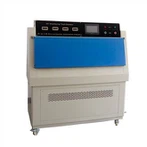
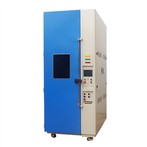
Altitude test chambers play a crucial role in various industries, providing essential testing environments to simulate high-altitude conditions. These chambers help ensure the reliability and performance of products and materials in extreme conditions. In this blog, we will explore the functionality, applications, and benefits of altitude test chambers.
How Does an Altitude Test Chamber Work?
Altitude test chambers, also known as altitude simulation chambers, are designed to replicate the conditions found at high altitudes. These chambers can simulate a range of altitudes, from just above sea level to the equivalent of the highest mountain peaks. Here's how they work:
Pressure Control
An altitude test chamber's main characteristic is its capacity to regulate air pressure. This is accomplished by lowering the pressure inside the chamber to replicate the lower pressure seen at higher altitudes using a powerful vacuum system. Usually, a vacuum system is made up of strong pumps and valves that have precise pressure level adjustment and maintenance capabilities. The chamber can replicate heights from a few thousand feet to over 100,000 feet by adjusting the air pressure, enabling a broad range of testing conditions.
Temperature Regulation
Temperature control is another feature that many altitude test chambers include, allowing them to replicate not only high-altitude circumstances but also extreme temperatures. This is important since goods' and materials' performance can be greatly impacted by temperature. On the other hand, extreme sun radiation exposure could cause high temperatures in some high-altitude settings. In order to ensure that items can survive both high-altitude and temperature loads concurrently, modern heating and cooling systems are used in altitude test chambers to generate exact and controlled temperature settings.
Humidity Control
Certain modern altitude test chambers have humidity control in addition to temperature and pressure control. Low humidity levels are a common feature of high-altitude environments, and these can have different effects on materials and electronic systems than on more humid ones. These chambers can replicate the dry conditions that are characteristic at high altitudes by incorporating humidity control. This feature enables thorough testing of items under all pertinent environmental stressors.
Data Monitoring and Recording
Altitude test chambers are outfitted with advanced sensors and data collecting systems to guarantee precise and dependable testing. Numerous environmental parameters are continuously monitored and recorded by these systems. For the purpose of examining how items perform in high-altitude simulations, test data is essential. It is possible to use the collected data to find any flaws, verify design parameters, and make sure goods adhere to performance and safety requirements. These systems are frequently accompanied by sophisticated software interfaces that offer real-time data processing, control, and monitoring capabilities.
Using these controls, altitude test chambers can create precise and repeatable conditions for testing, ensuring that products meet safety and performance standards.
What Are the Applications of Altitude Test Chambers?
Altitude test chambers have a wide range of applications across various industries. Here are some of the key areas where these chambers are used:
Aerospace and Defense
In the aerospace and defense industries, altitude test chambers are essential for testing aircraft components, avionics, and other equipment. These chambers ensure that products can perform reliably at high altitudes, where the pressure and temperature conditions are significantly different from those at sea level.
Automotive Industry
The automotive industry uses altitude test chambers to test vehicles and their components. This is particularly important for vehicles that operate in mountainous regions or high-altitude environments. Testing ensures that engines, electronics, and other critical systems function correctly in these conditions.
Electronics and Semiconductors
Electronics and semiconductor manufacturers use altitude test chambers to test the performance of their products under high-altitude conditions. This helps identify potential issues related to pressure changes, such as malfunctioning or failure of electronic components.
Medical Devices
Altitude test chambers are used to test medical devices, especially those that are transported by air. Ensuring that these devices function correctly at high altitudes is crucial for patient safety.
Consumer Goods
Even consumer goods, such as sports equipment and outdoor gear, undergo testing in altitude chambers to ensure they can withstand the conditions found at high altitudes.
By using altitude test chambers, manufacturers can ensure that their products are reliable and safe for use in various high-altitude environments.
Why Are Altitude Test Chambers Important?
Altitude test chambers offer several benefits that make them indispensable for many industries. Here are some of the key reasons why these chambers are important:
Safety and Reliability
Products tested in altitude chambers are more likely to perform reliably in real-world conditions. This is especially important for industries like aerospace, defense, and medical devices, where product failure can have serious consequences.
Compliance with Standards
Many industries have specific standards and regulations that require products to be tested under high-altitude conditions. Altitude test chambers help manufacturers meet these requirements and ensure compliance with industry standards.
Product Development and Improvement
Altitude testing can identify potential weaknesses in products, allowing manufacturers to make improvements before the products reach the market. This leads to higher-quality products and reduces the risk of costly recalls or failures.
Cost Savings
By identifying issues early in the product development process, altitude test chambers can help manufacturers save money on repairs, replacements, and warranty claims. Testing also reduces the risk of product failures that could lead to costly liability claims.
Enhanced Performance
Products that have been tested in altitude chambers are more likely to perform well in a variety of environments. This can give manufacturers a competitive edge and enhance the reputation of their products.
Conclusion
In summary, altitude test chambers are essential tools for ensuring the safety, reliability, and performance of products in high-altitude conditions. They play a critical role in product development, testing, and compliance, helping manufacturers deliver high-quality products to the market.
Altitude test chambers are indispensable in today's technologically advanced industries, ensuring products meet the demands of high-altitude environments. For more information about Altitude Test Chamber or to discuss your specific testing needs, feel free to contact us at info@libtestchamber.com.
References
1. NASA Technical Reports Server (NTRS) - Environmental Test Chambers: Pressure, Temperature, and Humidity.
2. Society of Automotive Engineers (SAE) - Testing of Automotive Electronic Components in High Altitude Conditions.
3. IEEE Xplore - Altitude Testing of Semiconductor Devices.
4. Defense Technical Information Center (DTIC) - Altitude Test Chamber Use in Military Applications.
5. ASTM International - Standard Test Methods for Environmental Conditioning of Aerospace Components.
6. Journal of Medical Devices - Evaluating the Performance of Medical Devices in Altitude Simulation Chambers.