
Damp heat tests are critical evaluations in various industries to ensure the durability and reliability of products under harsh environmental conditions. This blog will delve into what a damp heat test is, its importance, and how a damp heat test chamber plays a crucial role in these evaluations. By understanding these elements, you can appreciate the value of these tests and how they contribute to product quality and longevity.
Many laboratories around the world use environmental chambers for long-term humidity and temperature testing. One of our customers in Canada who uses a damp heat test chamber for material testing shared the following feedback after operating the system: "Hello Karen, Thanks for following up. The chamber is working fine. Haven't found any issues so far. Will let you know if we face any issues. Thanks again." This kind of feedback reflects the importance of stable, reliable test equipment in daily laboratory operations.
This article explains what a damp heat test is, why it is important, how a damp heat test chamber works, and the key benefits these tests provide for product reliability, quality assurance, and compliance with international standards.
Why is Damp Heat Test Important?
A damp heat test is a crucial evaluation method that simulates high humidity and temperature conditions to determine how well products can withstand such environments. This test is particularly essential for industries where products are exposed to fluctuating temperatures and humidity levels, such as electronics, automotive, and aerospace sectors. Here's why damp heat testing is vital:
1. Product Reliability
One of the primary reasons for conducting damp heat tests is to ensure product reliability. Products, especially electronic devices and components, need to function correctly even under extreme environmental conditions. High humidity and temperature can cause materials to degrade, corrode, or malfunction. By simulating these conditions in a controlled environment, manufacturers can identify and address potential issues before the products reach the market.
2. Quality Assurance
Damp heat tests play a significant role in quality assurance. They help manufacturers identify potential failures or weaknesses in products early in the development process. This proactive approach allows for improvements and modifications to be made, ensuring that only high-quality products reach consumers.
3. Compliance with Standards
Many industries have stringent standards and regulations that products must adhere to. Damp heat tests are often a part of these regulatory requirements. Compliance with such standards ensures that products are safe and reliable for end-users.
For example, electronic components might face condensation or high humidity in their operational environments. Without proper testing, these components could fail, leading to significant issues. By conducting damp heat tests, manufacturers can prevent such failures and ensure their products perform as expected.
Popular Environmental test Chambers

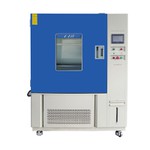
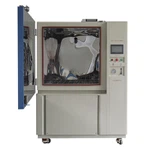
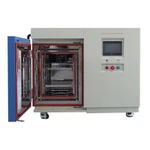
How Does a Damp Heat Test Chamber Work?
A damp heat test chamber is a specialized piece of equipment designed to create controlled environmental conditions for testing purposes. These chambers simulate the high humidity and temperature conditions products might encounter during their lifecycle.
|
|
Name | Temperature Humidity Chamber for Composites | ||||
|
Model |
TH-100 |
|||||
|
Internal dimension (mm) |
400*500*500 |
|||||
|
Overall dimension (mm) |
860*1050*1620 |
|||||
|
Capacity |
100L |
|||||
|
Temperature range |
-20℃ ~+150 ℃ |
|||||
|
Low type |
A: -40℃ B:-70℃ C -86℃ |
|||||
|
Humidity Range |
20%-98%RH |
|||||
|
Temperature deviation |
± 2.0 ℃ |
|||||
|
Heating rate |
3 ℃ / min |
|||||
|
Cooling rate |
1 ℃ / min |
|||||
|
Controller |
Programmable color LCD touch screen controller, Multi-language interface, Ethernet , USB |
|||||
|
Refrigerant |
R404A, R23 |
|||||
|
Exterior material |
Steel Plate with protective coating |
|||||
|
Interior material |
SUS304 stainless steel |
|||||
|
Standard configuration |
1 Cable hole (Φ 50) with plug; 2 shelves |
|||||
|
Timing Function |
0.1~999.9 (S,M,H) settable |
|||||

|
|
|
|
|
|
| Robust Workroom | Cable Hole | Temperature and Humidity Sensor | PID controller |


Key Features of a Damp Heat Test Chamber
- Temperature Control: The chamber can precisely control temperature ranges, often from -40°C to 180°C, allowing for a wide variety of tests. This precision ensures that the chamber can simulate both extreme cold and heat, which are critical for understanding how products perform under different thermal conditions. Advanced chambers ensure uniform temperature distribution within the chamber, eliminating hotspots or cold spots that could affect test results.
- Humidity Control: Humidity levels can be accurately maintained, typically between 20% and 98% relative humidity. This capability is crucial for simulating environments ranging from dry to extremely humid conditions. The chamber maintains consistent humidity levels throughout the testing process, ensuring that the test conditions remain stable and reliable.
- Data Monitoring and Logging: Modern chambers are equipped with advanced sensors that continuously monitor temperature and humidity levels. These sensors provide real-time feedback to ensure the conditions remain within the specified parameters. The data collected by the sensors is logged and analyzed using specialized software. This software can generate detailed reports, track changes over time, and alert operators to any deviations from the set conditions.
Steps in Using a Damp Heat Test Chamber
- Preparation: The product to be tested is placed inside the damp heat test chamber. Care is taken to ensure proper positioning to avoid any interference with the airflow and to achieve accurate results. Before starting the test, an initial inspection of the product is conducted to document its baseline condition.
- Setting Parameters: The desired temperature and humidity levels are set according to the test requirements. These settings are based on the specific environmental conditions the product is expected to encounter during its lifecycle. The duration of the test cycle is also set, which can range from a few hours to several weeks, depending on the testing standards and objectives.
- Running the Test: The desired temperature and humidity levels are set according to the test requirements. These settings are based on the specific environmental conditions the product is expected to encounter during its lifecycle. The duration of the test cycle is also set, which can range from a few hours to several weeks, depending on the testing standards and objectives.
- Data Collection: Throughout the test, data is collected to monitor the product's performance under stress. This includes temperature, humidity levels, and any changes in the product's condition. Periodic checks may be performed to observe the product's response to the conditions, ensuring no critical failures occur during the test.
- Analysis: Throughout the test, data is collected to monitor the product's performance under stress. This includes temperature, humidity levels, and any changes in the product's condition. Periodic checks may be performed to observe the product's response to the conditions, ensuring no critical failures occur during the test.
By using a damp heat test chamber, manufacturers can simulate real-world conditions in a controlled environment, providing valuable insights into how their products will perform over time.
What Are the Benefits of Conducting Damp Heat Tests
Conducting damp heat tests offers numerous benefits, ensuring products meet the highest standards of quality and reliability.
1. Enhanced Product Lifespan
Products that pass damp heat tests are proven to withstand harsh conditions, which translates to a longer operational lifespan.
2. Customer Satisfaction
High-quality, reliable products lead to increased customer satisfaction and loyalty. By ensuring products perform well under various conditions, manufacturers can build a strong reputation for reliability.
3. Reduced Warranty Claims
Identifying and addressing potential issues during the testing phase can significantly reduce warranty claims and associated costs. This proactive approach helps in maintaining a good relationship with customers and reduces post-sale issues.
4. Regulatory Compliance
Many industries have stringent regulatory requirements that products must meet. Damp heat tests help manufacturers ensure their products comply with these regulations, avoiding potential legal and financial repercussions.
5. Innovation and Improvement
Testing products under extreme conditions can reveal insights into areas for improvement, driving innovation and the development of more robust products. This continuous improvement cycle is essential for staying competitive in the market.
Incorporating damp heat tests into the product development and quality assurance process is not just a regulatory requirement but a strategic approach to ensuring high standards of product performance and reliability.
In conclusion, a damp heat test is a vital process in assessing the durability and reliability of products under extreme environmental conditions. The use of a damp heat test chamber allows manufacturers to simulate these conditions accurately and gather essential data to improve product quality. By conducting these tests, companies can enhance product lifespan, ensure customer satisfaction, reduce warranty claims, comply with regulatory standards, and drive innovation. If you want to learn more about this kind of Solar Panel Damp Heat Test Chamber, welcome to contact us info@libtestchamber.com.


