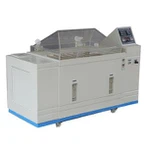
When it comes to environmental testing, understanding how materials and products withstand different conditions is crucial. One such test, vital in numerous industries, is the damp heat test. This blog aims to shed light on what the damp heat test is, why it's essential, and how it is conducted using a damp heat test chamber.
What is a Damp Heat Test?
A damp heat test is designed to simulate the environmental conditions of high humidity and temperature that a product may encounter during its life cycle. This test is crucial for determining how well products can endure harsh, humid conditions without compromising their functionality or integrity.
Damp heat tests are performed using a specialized piece of equipment known as a damp heat test chamber. These chambers are capable of maintaining controlled temperature and humidity levels, providing a consistent environment for testing. The key function of damp heat test chamber as follow:
- Temperature Control: The chamber can precisely control temperature ranges, typically from 25°C to 85°C, mimicking various real-world conditions.
- Humidity Regulation: Humidity levels within the chamber can be adjusted from 20% to 98% RH, replicating the extremes of moist environments.
- Duration: Tests can range from a few hours to several weeks, depending on the product and the industry standards being followed.
Why is the Damp Heat Test Important?
The significance of the damp heat test lies in its ability to reveal potential weaknesses in products that may not be evident under normal conditions. Conducted in a damp heat test chamber, this test is essential for identifying how products perform under extreme humidity and temperature conditions. Here are some key reasons why this test is essential:
Product Reliability
Ensuring that products remain functional and reliable in different environments is paramount. A damp heat test helps in identifying how products behave under stress, leading to improvements in design and materials to enhance durability.
Quality Assurance
Manufacturers use damp heat tests as part of their quality assurance processes. By subjecting products to these conditions, manufacturers can ensure that only high-quality, resilient products reach the market, reducing the risk of failure in real-world applications.
Compliance with Standards
Many industries have strict regulations and standards that products must meet. Damp heat testing ensures compliance with these standards, which is critical for product certification and market entry.
Cost Savings
Identifying and addressing potential issues during the development phase can save companies significant costs associated with product recalls, warranty claims, and reputation damage.
How is the Damp Heat Test Conducted?
Conducting a damp heat test using a damp heat test chamber is crucial for evaluating the performance and durability of products under conditions of high humidity and elevated temperatures. This test is commonly used to simulate the effects of a humid environment on materials and products, ensuring they can withstand such conditions without significant deterioration. Here's a comprehensive breakdown of how the damp heat test is conducted:
Preparation
- Sample Selection: Choosing representative samples is the first step in conducting a damp heat test. The samples should be selected based on their typical use and the conditions they are expected to encounter in real-world scenarios. For instance, if testing electronic components, ensure that the samples represent the range of products intended for end use. It is essential to select a sample size that is statistically significant to obtain reliable results.
- Conditioning: Before placing the samples in the test chamber, they must be conditioned to ensure uniform starting conditions. This involves bringing the samples to a uniform temperature and humidity level, typically in a pre-conditioning environment. This step ensures that the test results are not skewed by any pre-existing variations in the samples' conditions. Conditioning can involve placing the samples in a standard environment for a specified period before testing.
Testing
- Placement: Once conditioned, the samples are carefully placed inside the damp heat test chamber. The placement should be done in a manner that allows uniform exposure to the test conditions. Ensure that the samples are not overcrowded, which could lead to uneven humidity distribution and inaccurate results.
- Set Parameters: The next step involves configuring the damp heat test chamber to the required temperature and humidity levels. These settings are typically specified in industry standards or according to the test requirements. Common conditions for a damp heat test include a temperature range of 40°C to 55°C and relative humidity levels of 85% to 95%. The specific parameters will depend on the product being tested and the conditions it is expected to endure.
- Duration: The duration of the test varies depending on the product and the standards being followed. It could range from a few hours to several weeks. For example, in electronics testing, a typical duration might be 48 to 96 hours. The goal is to replicate extended exposure to damp heat conditions that the product might face during its lifecycle.
Monitoring
- Data Collection: During the test, it is crucial to continuously monitor and record the temperature, humidity, and other relevant environmental parameters within the chamber. This real-time data helps ensure that the conditions remain stable throughout the test. Advanced damp heat chambers are equipped with data logging systems that automatically record these variables.
- Observation: Regular visual inspections of the samples should be conducted to identify any immediate signs of degradation or failure. Observations might include checking for condensation, corrosion, or physical changes such as warping or discoloration. These observations provide valuable insights into how the product responds to damp heat conditions.
Analysis
- Post-Test Examination: After the completion of the test, the samples are removed from the chamber and examined thoroughly. This examination involves assessing any physical changes, such as deterioration in appearance, structural integrity, or functionality. Testing might include electrical performance checks, mechanical property evaluations, or other relevant assessments depending on the nature of the product.
- Reporting: The final step involves documenting the test findings in a detailed report. The report should include a summary of the test conditions, observations, and any issues encountered. It should also provide an analysis of the samples' performance and any potential implications for product quality or reliability. Recommendations for improvements or further testing may also be included, based on the results obtained.
Conclusion
Understanding the purpose and importance of the damp heat test is essential for ensuring product reliability and quality across various industries. By using a damp heat test chamber, manufacturers can simulate real-world conditions, identify potential issues, and make necessary improvements. This not only enhances product performance but also ensures compliance with industry standards and regulations.
If you want to learn more about this kind of Solar Panel Damp Heat Test Chamber, welcome to contact us info@libtestchamber.com.
References
1. ISO 6270-1:2017, "Paints and varnishes - Determination of resistance to humidity." International Organization for Standardization (ISO).
2. ASTM B117-22, "Standard Practice for Operating Salt Spray (Fog) Apparatus." ASTM International.
3. IEC 60068-2-30:2005, "Environmental testing – Part 2-30: Tests – Damp heat, cyclic (12 h + 12 h cycle)." International Electrotechnical Commission (IEC).
4. JIS Z 2371:2009, "Testing methods for thermal shock and damp heat resistance of electronic devices." Japanese Industrial Standards (JIS).
5. MIL-PRF-31032, "Performance Specification for Environmental Testing Chambers." United States Department of Defense.
6. ASTM D4585-14, "Standard Practice for Condensation (Damp Heat) Testing of Non-Metallic Materials."