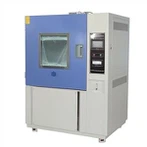
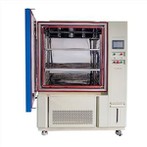
Ozone test chambers play a crucial role in the world of environmental testing, especially when it comes to evaluating the durability and resistance of materials to ozone exposure. Whether you're in the automotive, aerospace, or rubber industries, understanding how these chambers work and their importance can significantly impact the quality and longevity of your products. In this blog, we'll explore what an ozone chamber does, how it operates, and why it's an essential tool in material testing.

How Does an Ozone Test Chamber Work?
An ozone test chamber is designed to simulate ozone-rich environments to test the resistance of materials like rubber, plastics, and textiles to ozone degradation. The chamber generates ozone at specific concentrations and exposes the test samples to this controlled environment over a set period. Here's a closer look at how these chambers operate:
Ozone Generation
The chamber uses an ozone generator to produce ozone gas. This generator typically employs either corona discharge or ultraviolet (UV) light to convert oxygen into ozone:

- Corona Discharge: This method involves passing air or oxygen through a high-voltage electrical field, which ionizes the oxygen molecules and forms ozone.
- Ultraviolet (UV) Light: Another method for ozone generation is UV light. In this process, UV lamps emit light at wavelengths that break down oxygen molecules in the air to produce ozone.
Controlled Environment
To ensure accurate and consistent results, the ozone test chamber maintains a carefully controlled environment. Key factors include:
- Temperature Control: The chamber is equipped with a temperature regulation system to maintain a specific temperature range. By keeping the temperature consistent, the chamber ensures that test results are reproducible and reliable.

- Humidity Control: Humidity levels inside the chamber are also regulated. The chamber's control system adjusts humidity to meet specific testing standards, ensuring that the conditions reflect those that materials might encounter in actual use.
- Ozone Concentration: The concentration of ozone within the chamber can be precisely adjusted to meet testing requirements. The chamber's control system continuously monitors and adjusts the ozone levels to ensure they remain within the desired range.
Sample Exposure
Once the ozone-rich environment is established, test samples are placed inside the chamber for exposure. The process involves several steps:

- Sample Preparation: Before placing the samples in the chamber, they must be prepared according to specific guidelines. This may include cutting them to standard dimensions, conditioning them to simulate real-world conditions, or applying specific treatments to ensure consistent results.
- Exposure Duration: The duration of exposure varies depending on the material being tested and the intended application of the product. For example, rubber samples might be exposed for several hours or days to simulate long-term use, while textiles might be tested for shorter periods.
- Sample Placement: The samples are positioned within the chamber to ensure uniform exposure to the ozone. They are typically arranged to avoid overlap and ensure that every part of each sample is exposed to the ozone environment.
Monitoring and Analysis
Throughout the testing process, the ozone test chamber continuously monitors key parameters to ensure the test conditions are maintained:
- Ozone Concentration Monitoring: The chamber's monitoring system tracks the ozone concentration in real-time, adjusting as needed to maintain the desired levels. This ensures that the exposure conditions remain consistent throughout the test.
- Temperature and Humidity Monitoring: Sensors within the chamber keep a close watch on temperature and humidity levels, adjusting to maintain the specified conditions. This helps in providing accurate and repeatable test results.
After the exposure period is complete, the samples are removed from the chamber and analyzed for signs of degradation. Common indicators include:
- Cracking: The formation of cracks on the surface of the material, which can indicate oxidative damage.
- Discoloration: Changes in color that may suggest chemical reactions between the ozone and the material.
- Loss of Elasticity: A reduction in the material's flexibility and stretchability, often observed in rubber and elastomers.
Why Is Ozone Testing Important?
Ozone testing is vital for industries that rely on materials vulnerable to ozone degradation. Ozone, a highly reactive form of oxygen, is present in the atmosphere and can cause significant damage to materials over time. Here's why ozone testing is so important:
Preventing Material Failure
Materials like rubber, commonly used in seals, gaskets, and tires, are particularly susceptible to ozone attack. Without proper testing, these materials could fail prematurely, leading to costly repairs, safety hazards, and customer dissatisfaction.
Ensuring Compliance with Standards
Many industries have strict standards for material performance, especially in automotive and aerospace applications. Ozone test chambers help ensure that products meet these standards, providing manufacturers with the data needed to certify their materials.
Extending Product Lifespan
By identifying materials that can withstand ozone exposure, manufacturers can produce longer-lasting products. This is particularly important for items that are used in outdoor or high-ozone environments, such as automotive parts and outdoor electrical components.
Enhancing Product Quality
Ozone testing allows manufacturers to compare different materials and formulations, leading to the selection of the best-performing materials. This ultimately results in higher-quality products that stand up to the demands of their intended use.
What Are the Key Standards for Ozone Testing?
Ozone testing is governed by several international standards, ensuring consistency and reliability in the testing process. These standards provide guidelines on the test methods, ozone concentration levels, exposure duration, and sample preparation. Here are some of the key standards for ozone testing:
ASTM D1149
ASTM D1149 is a widely recognized standard developed by ASTM International that specifies the test method for determining the resistance of rubber to ozone cracking. This standard is pivotal for evaluating the durability of rubber products exposed to ozone, which is known to cause surface cracking and degradation over time. ASTM D1149 involves exposing rubber samples to ozone under controlled conditions and observing the extent of cracking or damage that occurs. The test is usually conducted at specified ozone concentrations and temperatures to simulate real-world conditions.
ISO 1431-1
ISO 1431-1 is an international standard that provides comprehensive guidelines for ozone testing of rubber and plastics. It covers both static and dynamic testing methods, allowing for a thorough evaluation of material performance under various conditions. Static testing involves exposing stationary samples to ozone, while dynamic testing assesses the effects of ozone on materials subjected to movement or deformation.
DIN 53509
DIN 53509 is a German standard focused on the ozone resistance of elastomers, particularly those used in automotive applications. It provides detailed procedures and requirements for testing the durability of rubber materials exposed to ozone. DIN 53509 outlines specific procedures for testing elastomers, including the preparation of samples and the setup of the test environment. This ensures that tests are conducted consistently and accurately.
SAE J1401
SAE J1401 is a standard developed by the Society of Automotive Engineers (SAE) specifically for the automotive industry. It addresses the ozone resistance of brake hoses, ensuring that these critical components can perform safely and effectively under ozone exposure. The standard describes the methods for exposing brake hoses to ozone, including the concentration levels and exposure conditions. This helps evaluate how well the hoses will withstand environmental stresses.
Conclusion
Ozone test chambers are indispensable tools in the field of material testing. They provide valuable insights into the durability and performance of materials when exposed to ozone, helping manufacturers produce high-quality products that meet industry standards. Whether you're developing automotive parts, aerospace components, or consumer goods, understanding how an ozone chamber works and the importance of ozone testing is crucial for ensuring the longevity and reliability of your products.
If you want to learn more about Ozone Chambers and how they can benefit your testing process, welcome to contact us info@libtestchamber.com.
References
1. ASTM D1149 – Standard Test Methods for Rubber Deterioration - Cracking in an Ozone Controlled Environment.
2. ISO 1431-1 – Rubber, Vulcanized or Thermoplastic - Resistance to Ozone Cracking - Static and Dynamic Strain Testing.
3. DIN 53509 – Testing of Rubber and Elastomers; Ozone Resistance Test.
4. SAE J1401 – Brake Hose - Ozone Resistance Test for Automotive Applications.
5. Goh, S.H., et al. "Ozone Resistance of Elastomers." Journal of Polymer Science, vol. 42, no. 12, 2004, pp. 1235-1243.
6. Jovanović, S., et al. "Degradation of Rubber Materials Under Ozone Exposure." Rubber Chemistry and Technology, vol. 77, no. 3, 2005, pp. 545-552.