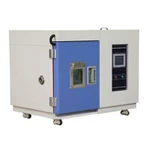
In the realm of environmental testing, ozone test chambers play a crucial role in evaluating the resilience of various materials and products against ozone exposure. These specialized chambers simulate real-world conditions to assess how different items withstand the corrosive effects of ozone over time. This article delves into the intricacies of ozone test chambers, their applications, and their significance in ensuring product quality and durability.

Understanding Ozone Test Chambers
-
The Basics of Ozone Testing
Ozone test chambers are vital tools in the material testing industry, designed to simulate the effects of ozone exposure on various products and materials. These chambers replicate the conditions that materials may encounter over time in real-world environments, particularly focusing on how they react to prolonged ozone exposure. Ozone is a powerful oxidizing agent that can cause significant degradation in materials, particularly those made of rubber, plastics, and other polymers.
By controlling the concentration of ozone, temperature, and humidity within the chamber, manufacturers can evaluate the durability and longevity of their products. This testing is crucial for industries where material integrity is paramount, such as automotive, aerospace, and consumer goods, as it helps ensure that products can withstand the oxidative stress they might face during their lifecycle.
-
Components of an Ozone Test Chamber
An ozone test chamber is composed of several critical components that work together to create a controlled testing environment. The main chamber is where the test specimens are placed, and it's designed to maintain a consistent atmosphere for accurate testing. The ozone generator is the heart of the chamber, producing and delivering the precise amount of ozone needed for each test. Environmental control systems within the chamber regulate the temperature and humidity, ensuring that these factors remain stable throughout the testing process.
Sensors play a crucial role in monitoring the ozone concentration, providing real-time data to ensure that the test conditions are maintained at the desired levels. Additionally, circulation fans are often incorporated to distribute ozone evenly throughout the chamber, preventing any areas of low or high concentration that could skew the test results.
Temperature: 0℃~+100℃
Humidity: 30% -98%RH
Ozone Concentration: 1~1000PPHM
Clamps Tensile Stretch: 5%~35%
Our address
No.6 Zhangba First St, Xian High-Tech Area, Shaanxi Province.
Phone Number
+8618700875368
info@libtestchamber.com

-
Types of Ozone Test Chambers
Ozone test chambers come in various types and configurations, tailored to meet different testing requirements. Some chambers are small and compact, designed for testing individual components or small batches of materials. These are ideal for preliminary testing or for products that are not large. On the other end of the spectrum are larger chambers, capable of accommodating bigger products or multiple specimens simultaneously.
These chambers are often used for more comprehensive testing where multiple variables need to be considered. Advanced ozone test chambers may include additional features such as UV light exposure or cyclic testing capabilities, which allow them to simulate more complex environmental conditions. These features enable manufacturers to test their products under a combination of stressors, providing a more accurate assessment of how they will perform in the field.
Applications of Ozone Test Chambers
-
Automotive Industry
In the automotive sector, ozone test chambers are indispensable for evaluating the durability of rubber components, seals, and plastics. These materials are constantly exposed to ozone in the atmosphere, and their degradation can lead to vehicle malfunctions. By subjecting parts to accelerated ozone aging in a test chamber, manufacturers can predict and improve the longevity of their products.
-
Textile and Polymer Testing
The textile industry utilizes ozone test chambers to assess the color fastness and durability of fabrics and dyes. Polymers used in various applications, from packaging to construction materials, are also tested for their resistance to ozone-induced degradation. This testing helps in developing more resilient materials and extends the lifespan of products.
-
Electronics and Aerospace
In the electronics and aerospace industries, ozone test chambers are used to evaluate the performance of sensitive components under extreme conditions. Circuit boards, insulation materials, and specialized coatings are subjected to ozone exposure to ensure they can withstand the harsh environments encountered in high-altitude or space applications.
Importance of Ozone Testing in Quality Assurance
-
Regulatory Compliance
Many industries are subject to strict regulations regarding the ozone resistance of their products. Ozone test chambers help manufacturers ensure compliance with these standards, avoiding potential legal issues and maintaining consumer trust. By conducting thorough ozone testing, companies can demonstrate their commitment to quality and safety.
-
Product Development and Improvement
Ozone test chambers play a vital role in the research and development process. By identifying weaknesses in materials or designs early in the development cycle, manufacturers can make necessary improvements before product launch. This proactive approach leads to more robust and reliable products, reducing the likelihood of field failures and customer dissatisfaction.
-
Long-term Cost Savings
While investing in ozone testing may seem like an additional expense, it often results in significant long-term cost savings. By identifying and addressing potential issues before products reach the market, companies can avoid costly recalls, warranty claims, and damage to their reputation. The data gathered from ozone testing also informs future design decisions, leading to more efficient and durable products.
Conclusion
In conclusion, ozone test chambers are essential tools in the quest for product quality and durability. They provide invaluable insights into how materials and products will perform under real-world conditions, helping manufacturers create more resilient and long-lasting items. As environmental concerns continue to grow, the importance of ozone testing is likely to increase, making these chambers an indispensable part of quality assurance processes across various industries.
Are you looking to enhance your product testing capabilities with state-of-the-art Ozone Chambers? LIB Industry offers comprehensive turn-key solutions for environmental testing, including cutting-edge ozone test chambers. Our expert team can guide you through the process of selecting, installing, and operating the perfect ozone test chamber for your specific needs. Don't compromise on quality – contact us today at info@libtestchamber.com to learn more about how our Ozone Chambers can revolutionize your testing procedures and elevate your product quality to new heights.
References
1. Smith, J. (2022). "The Evolution of Ozone Test Chambers in Material Science". Journal of Environmental Testing, 45(3), 256-270.
2. Johnson, A., & Brown, T. (2021). "Ozone Resistance Testing: A Comprehensive Guide for Manufacturers". Quality Assurance Quarterly, 18(2), 112-128.
3. Chen, L. et al. (2023). "Advanced Applications of Ozone Test Chambers in Aerospace Engineering". International Journal of Aerospace Materials, 7(1), 45-62.
4. Williams, R. (2020). "The Impact of Ozone Testing on Product Longevity and Consumer Satisfaction". Consumer Products Research, 33(4), 301-315.
5. Garcia, M., & Lee, S. (2022). "Regulatory Landscape for Ozone Resistance in Automotive Components". Automotive Engineering Review, 29(3), 178-192.
6. Thompson, K. (2021). "Cost-Benefit Analysis of Implementing Ozone Testing in Product Development". Journal of Manufacturing Economics, 15(2), 89-104.