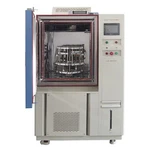
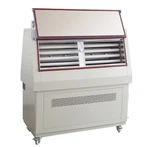
Mixed flowing gas testing is a crucial process in evaluating the corrosion resistance of materials and components. This testing method simulates real-world environmental conditions to assess how materials perform when exposed to various corrosive gases. In this comprehensive guide, we will explore the standards used for mixed flowing gas testing using a mixed flowing gas chamber and delve into the intricacies of this essential evaluation process.

Understanding Mixed Flowing Gas Testing
Mixed flowing gas testing, often conducted in a specialized mixed flowing gas chamber, is designed to replicate the effects of corrosive atmospheres on materials and components. This testing method is particularly important for industries where products are exposed to harsh environments, such as electronics, automotive, and aerospace.
The Importance of Mixed Flowing Gas Testing
Mixed flowing gas testing plays a vital role in ensuring the longevity and reliability of products. By subjecting materials to controlled corrosive environments, manufacturers can predict how their products will perform in real-world conditions. This proactive approach helps in identifying potential issues before products reach the market, ultimately saving time and resources while enhancing product quality.
Components of a Mixed Flowing Gas Chamber
A typical mixed flowing gas chamber consists of several key components:
- Gas delivery system: Precisely controls the flow and mixture of corrosive gases.
- Humidity control: Maintains the required relative humidity within the chamber.
- Temperature regulation: Ensures consistent temperature throughout the testing period.
- Specimen holders: Securely positions test samples within the mixed flowing gas chamber.
- Monitoring equipment: Tracks and records environmental conditions during the test.
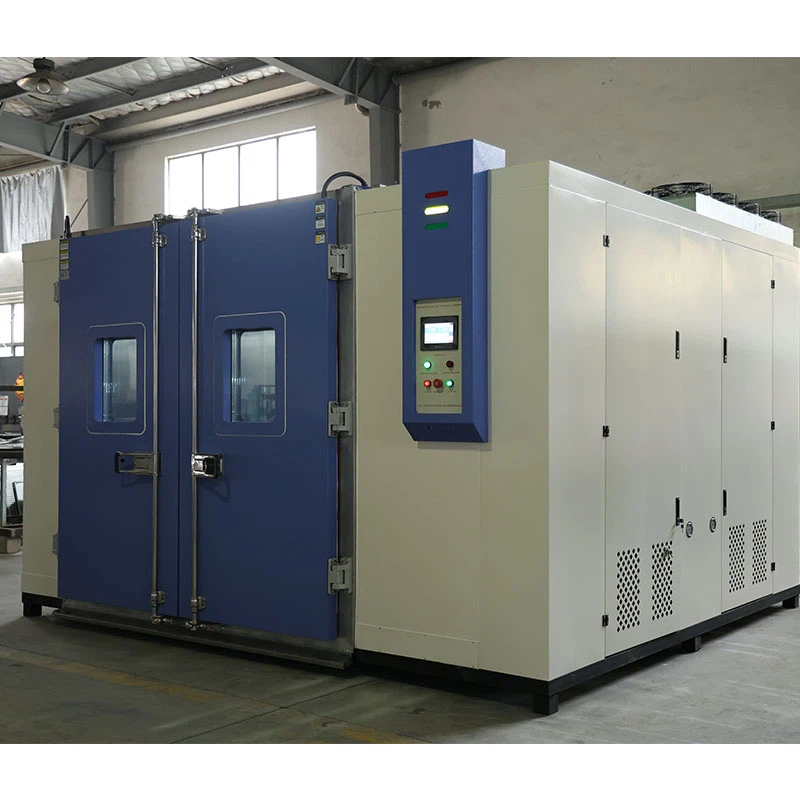
Generally,LIB Mixed Flow Noxious Gas Test Machine can be fed 3 or 4 kinds of gas. If customers need it, we can customize other special gas for you.
|
So2 concentration |
1 ~ 35 ppm with adjustable |
|||||
|
H2S concentration |
10 ~ 30 ppm with adjustable |
|||||
|
No2 concentration |
10 ~ 100 ppm with adjustable |
|||||
|
NH3 concentration |
1000 ~2000 ppm with adjustable |
|||||
Common Gases Used in Testing
The gases used in mixed flowing gas testing typically include: Hydrogen sulfide (H2S); Chlorine (Cl2); Nitrogen dioxide (NO2); and Sulfur dioxide (SO2). These gases are carefully mixed to create specific corrosive atmospheres that simulate various environmental conditions.
Key Standards for Mixed Flowing Gas Testing
Several internationally recognized standards govern mixed flowing gas testing procedures. These standards ensure consistency and reliability in testing methods across different industries and applications.
ASTM B827: Standard Practice for Conducting Mixed Flowing Gas (MFG) Environmental Tests
ASTM B827 is a widely adopted standard that outlines the general procedures for conducting mixed flowing gas tests. This standard provides guidelines for: Test chamber specifications; Gas concentration levels; Temperature and humidity controls; Exposure durations; Sample preparation and handling.
IEC 60068-2-60: Environmental Testing - Part 2-60: Tests - Test Ke: Flowing Mixed Gas Corrosion Test
The IEC 60068-2-60 standard is specifically designed for testing electronic and electrical components. It defines four test methods (Ke1 to Ke4) with varying gas concentrations and environmental conditions. This standard is particularly relevant for: Printed circuit boards; Connectors; Electronic assemblies; Electrical contacts.
IEC 60068-2-42: Environmental Testing - Part 2-42: Tests - Test Kc: Sulphur Dioxide Test for Contacts and Connections
IEC 60068-2-42 is another crucial standard for mixed flowing gas testing, focusing specifically on the effects of sulfur dioxide (SO₂) on contacts and connections. It provides guidance on: Gas mixture compositions involving sulfur dioxide; Test conditions, including temperature and humidity controls; Evaluation methods to assess corrosion and degradation of materials. This standard is particularly significant for industries where sulfur dioxide exposure is a concern, ensuring that components maintain their functionality under corrosive environments.
ANSI/EIA-364-65: Mixed Flowing Gas Test Procedure for Electrical Connectors and Sockets
This standard focuses on testing procedures for electrical connectors and sockets. It outlines: Mixed flowing gas chamber requirements; Gas mixture compositions; Exposure times; Evaluation criteria for contact resistance and visual inspection.
Conducting Mixed Flowing Gas Tests
Performing mixed flowing gas tests requires careful preparation and adherence to standardized procedures to ensure accurate and reproducible results.
Test Preparation
Before initiating a mixed flowing gas test, several preparatory steps are essential:
- Sample selection: Choose representative samples of the material or component to be tested.
- Surface cleaning: Ensure samples are free from contaminants that could affect test results.
- Initial measurements: Record baseline data such as weight, dimensions, and electrical properties.
- Chamber calibration: Verify that the mixed flowing gas chamber is correctly calibrated and functioning properly.
Test Execution
During the test execution phase: Load samples into the chamber using appropriate holders or fixtures. Set environmental parameters according to the chosen standard (e.g., gas concentrations, temperature, humidity). Initiate the test and monitor conditions throughout the specified duration. Periodically check samples if intermediate evaluations are required. Maintain detailed records of test conditions and any observations.
Post-Test Analysis
After completing the test: Remove samples from the mixed flowing gas chamber following proper safety protocols. Conduct visual inspections to assess corrosion levels and patterns. Perform post-test measurements (e.g., weight loss, dimensional changes). Evaluate electrical properties if applicable. Compare results to acceptance criteria specified in the relevant standard. Prepare a comprehensive test report documenting all findings and observations.
Interpreting Mixed Flowing Gas Test Results
Interpreting the results of mixed flowing gas tests requires a thorough understanding of the testing standards and the specific requirements of the application.
Visual Inspection Criteria
Visual inspection is often the first step in evaluating test results. Key aspects to consider include:
- Extent of corrosion: Assess the overall coverage and severity of corrosion on the sample surface.
- Corrosion patterns: Identify any localized or preferential corrosion areas.
- Color changes: Note any discoloration or tarnishing of the sample.
- Surface texture: Evaluate changes in surface roughness or the formation of corrosion products.
Quantitative Measurements
Quantitative measurements provide objective data for assessing corrosion resistance:
- Weight loss: Calculate the percentage of weight loss to determine material degradation.
- Dimensional changes: Measure any alterations in sample dimensions due to corrosion.
- Electrical properties: For conductive materials, assess changes in electrical resistance or conductivity.
- Mechanical properties: Evaluate any impact on strength, hardness, or other relevant mechanical characteristics.
Correlation with Real-World Performance
While mixed flowing gas tests provide valuable insights, it's crucial to correlate results with real-world performance:
- Consider the accelerated nature of the test when extrapolating to long-term performance.
- Account for differences between test conditions and actual operating environments.
- Use historical data and field experience to refine interpretations.
- Conduct additional testing or field trials if necessary to validate findings.
Conclusion
Mixed flowing gas testing is an indispensable tool for evaluating material performance in corrosive environments. By adhering to established standards and following rigorous testing procedures, manufacturers can ensure the reliability and longevity of their products. As environmental concerns and product quality demands continue to evolve, the importance of mixed flowing gas chamber in various industries is likely to grow.
For more information about mixed flowing gas testing and our state-of-the-art Mixed Gas Chambers, please contact us at info@libtestchamber.com. Our team of experts is ready to assist you in developing a testing strategy tailored to your specific needs and ensuring your products meet the highest standards of corrosion resistance.
References
1. ASTM International. (2020). ASTM B827-20: Standard Practice for Conducting Mixed Flowing Gas (MFG) Environmental Tests. West Conshohocken, PA: ASTM International.
2. International Electrotechnical Commission. (2015). IEC 60068-2-60:2015: Environmental testing - Part 2-60: Tests - Test Ke: Flowing mixed gas corrosion test. Geneva: IEC.
3. Electronic Components Industry Association. (2017). ANSI/EIA-364-65C: Mixed Flowing Gas Test Procedure for Electrical Connectors and Sockets. Arlington, VA: ECIA.
4. Schueller, R. (2018). Corrosion of Electronic Materials and Devices. CRC Press.
5. Slade, P. G. (2017). Electrical Contacts: Principles and Applications. CRC Press.
6. Schweitzer, P. A. (2009). Fundamentals of Corrosion: Mechanisms, Causes, and Preventative Methods. CRC Press.