In our modern world, where environmental concerns are at the forefront of many industries, understanding the impact of ozone on materials and products has become increasingly crucial. The ozone test, conducted using specialized ozone test chambers, plays a vital role in assessing the durability and resistance of various materials to ozone exposure. This comprehensive guide will delve into the intricacies of ozone testing, its applications, and the significance of using an ozone test chamber in diverse industries.

Understanding Ozone and Its Effects
A molecule of three oxygen atoms, ozone is both a gas produced artificially and naturally. Ground-level ozone can be harmful to various materials and living things, but it protects Earth from harmful ultraviolet radiation in the upper atmosphere. The objective of the ozone test is to arouse and accelerate the effects of ozone exposure on a variety of substances, offering useful insights into their durability and performance in actual conditions.

The Chemistry Behind Ozone Degradation
Ozone's highly reactive nature stems from its unstable molecular structure. When it comes into contact with certain materials, particularly those containing carbon-carbon double bonds, it initiates a series of chemical reactions. These reactions can lead to the degradation of polymers, elastomers, and other organic compounds, resulting in material breakdown, color changes, and loss of mechanical properties.
Natural vs. Artificial Ozone Exposure
In nature, ozone levels vacillate in view of different factors like daylight power, air contamination, and geographic area. However, in order to produce results that are consistent and reproducible for testing, controlled environments such as ozone test chambers are necessary. These chambers permit specialists and makers to expose materials to explicit ozone focuses for foreordained periods, emulating long haul openness in a compacted time span.
The Effects of Ozone on Different Materials
Depending on their chemical composition and structure, ozone has different effects on different materials. Elastic and plastics are especially vulnerable to ozone corruption, encountering breaking, solidifying, and loss of versatility. Materials might blur or lose strength, while metals can go through sped up consumption within the sight of ozone. Understanding these impacts is essential for creating ozone-safe materials and guaranteeing item life span in ozone-rich conditions.
Applications of Ozone Testing Across Industries
The versatility of ozone testing makes it an indispensable tool across numerous sectors. From automotive components to medical devices, the ozone test chamber plays a pivotal role in quality assurance and product development. Let's explore some key industries that rely heavily on ozone testing to ensure the reliability and durability of their products.
Automotive Industry: Ensuring Vehicle Component Longevity
Ozone testing is essential for assessing the durability of rubber and plastic components in the automotive industry. In order to determine their resistance to cracking and degradation, tires, weatherstripping, hoses, and other elastomeric components are subjected to stringent ozone tests. Utilizing ozone test chambers enables manufacturers to develop more robust materials and extend the lifespan of vehicle components in a matter of weeks while simulating years of environmental exposure.

Rubber tyre

The sealing strip for the car window

Fuel hose
Aerospace: Safeguarding Critical Equipment
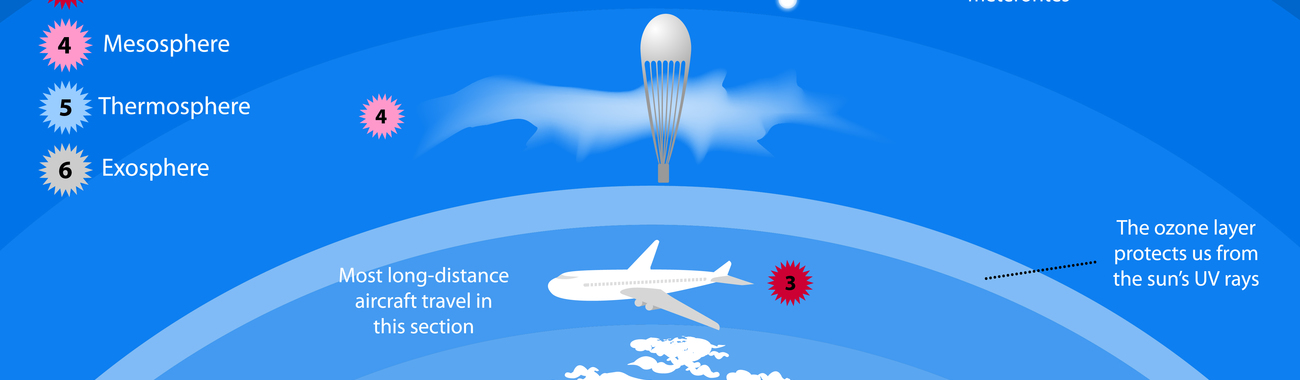
The aerospace trade depends on ozone testing to guarantee the respectability of airplane parts presented to high-height conditions. Ozone focuses increment with elevation, making it fundamental for test materials utilized in airplane outsides, lodge seals, and fuel frameworks. Ozone test chambers help aviation design specialists approve the exhibition of these basic parts under outrageous circumstances, adding to the general security and unwavering quality of the airplane.
Electronics and Telecommunications: Protecting Sensitive Equipment
Electronic gadgets and broadcast communications gear are progressively presented to outside conditions, making them powerless to ozone harm. Producers use ozone test chambers to assess the obstruction of circuit sheets, links, and defensive coatings to ozone-actuated debasement. This testing helps in growing more solid electronic parts and guaranteeing the life span of outside media communications framework.
The Ozone Test Chamber: A Closer Look
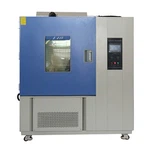
The ozone test chamber is a sophisticated piece of equipment designed to create a controlled environment for exposing materials to specific ozone concentrations. These chambers come in various sizes and configurations, ranging from small benchtop units to large walk-in rooms, catering to different testing needs and sample sizes.
Key Components of an Ozone Test Chamber
A typical ozone test chamber consists of several critical components that work together to maintain precise testing conditions. The ozone generator is responsible for producing ozone at the required concentration, while sensors continuously monitor and adjust ozone levels. Temperature and humidity controls ensure consistent environmental conditions throughout the test. Advanced chambers may also include UV light sources to simulate sunlight exposure and accelerate the testing process.

LIB Ozone Test Chamber
Temperature Range: 0℃ ~ +100 ℃
Humidity Range: 30% ~ 98% RH
Temperature Fluctuation: ± 0.5 ℃
Cooling Rate: Ambient ~ 0℃ within 20 min
Ozone Concentration: 1~1000PPHM
Sample Holder Rotate Speed: 0~10 Humidity Ranger/min
Test Methods and Standards
Ozone testing is governed by various international standards and methods, ensuring consistency and comparability of results across different laboratories and industries. Common standards include ASTM D1149 for rubber and elastomers, ISO 1431 for vulcanized or thermoplastic rubbers, and SAE J1960 for automotive exterior plastics. These standards specify test conditions, sample preparation procedures, and evaluation criteria, providing a framework for reliable and reproducible ozone testing.
Interpreting Ozone Test Results
The results obtained from ozone testing in an ozone test chamber provide valuable insights into a material's ozone resistance. Typical evaluation criteria include visual inspection for cracks or discoloration, measurements of mechanical properties such as tensile strength and elongation, and analysis of chemical changes using spectroscopic techniques. By comparing pre- and post-test data, researchers and engineers can assess the degree of ozone-induced degradation and make informed decisions about material selection and product design.
Conclusion
In conclusion, the ozone test and the use of ozone test chambers are indispensable tools in ensuring the quality, durability, and safety of countless products we rely on daily. From automotive components to aerospace materials, the insights gained from ozone testing contribute to the development of more resilient and long-lasting products. As environmental concerns continue to shape industrial practices, the importance of ozone testing is likely to grow, driving innovation in material science and product design.
If you're looking to enhance your product development process or ensure compliance with industry standards through ozone testing, LIB Industry is here to help. Our state-of-the-art Ozone Chambers and comprehensive turn-key solutions cater to a wide range of testing needs across various industries. To learn more about how our ozone testing services can benefit your business, please don't hesitate to contact us at info@libtestchamber.com.
References
1. Johnson, R. A., & Smith, K. L. (2019). "Ozone Testing Methods for Polymer Degradation Analysis." Journal of Materials Science, 54(15), 10234-10250.
2. Zhang, Y., et al. (2020). "Advances in Ozone Resistance Testing for Aerospace Applications." Progress in Aerospace Sciences, 115, 100616.
3. Miller, E. D., & Brown, T. J. (2018). "Ozone Effects on Automotive Rubber Components: A Comprehensive Review." Polymer Degradation and Stability, 157, 35-50.
4. Chen, H., et al. (2021). "The Impact of Ozone Exposure on Electronic Materials: Insights from Accelerated Testing." IEEE Transactions on Device and Materials Reliability, 21(2), 256-268.
5. Anderson, L. M., & Thompson, R. C. (2017). "Standardization of Ozone Test Methods: Challenges and Opportunities." ASTM International Journal of Testing and Evaluation, 45(4), 1289-1305.
6. Patel, S. K., & Yamamoto, N. (2022). "Next-Generation Ozone-Resistant Materials: Innovations Driven by Advanced Testing Techniques." Nature Materials, 21(3), 285-297.