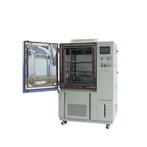
The damp heat test is a critical procedure in the solar industry, specifically designed to assess the durability and longevity of photovoltaic (PV) modules under harsh environmental conditions. By simulating prolonged exposure to high humidity and elevated temperatures, this test helps manufacturers and researchers ensure that solar panels can withstand the elements and continue to perform efficiently over their expected lifespan. The use of a damp heat test chamber is essential for accurately replicating these extreme conditions, providing a controlled environment in which the performance and resilience of PV modules can be thoroughly evaluated.
What are the Standards for Damp Heat Test Chambers?
Damp heat test chambers are designed to replicate high humidity and temperature conditions to evaluate the durability and performance of materials and products. To ensure accuracy and consistency in these tests, several key standards are established by international and industry-specific organizations. These standards define the operational parameters, testing procedures, and performance criteria for damp heat test chambers.
ISO 6270-1:2017
The International Organization for Standardization (ISO) standard ISO 6270-1:2017 specifies the method for assessing the resistance of coatings and materials to high humidity. It outlines the required conditions for the test, including temperature and relative humidity settings, to ensure accurate simulation of damp environments.
IEC 60068-2-30:2005
The International Electrotechnical Commission (IEC) standard IEC 60068-2-30:2005 details the procedures for damp heat testing of electronic components. It defines the test conditions, including cyclic humidity and temperature variations, to evaluate the resilience of electronic devices to moisture and heat.
ASTM D4585-14
ASTM D4585-14, provided by the American Society for Testing and Materials, describes the practice for conducting condensation (damp heat) tests on non-metallic materials. The standard specifies the temperature and humidity ranges that damp heat test chambers must achieve to accurately simulate condensation conditions.
JIS Z 2371:2009
The Japanese Industrial Standards (JIS) standard JIS Z 2371:2009 focuses on the testing of electronic devices under thermal shock and damp heat conditions. It sets out the requirements for test chambers to ensure they can replicate the necessary environmental conditions accurately.
MIL-PRF-31032
MIL-PRF-31032, a specification by the United States Department of Defense, covers environmental testing chambers, including those used for damp heat testing. This standard includes performance criteria for maintaining stable temperature and humidity levels, ensuring the reliability of the test results.
GB/T 2423.3-2016
The Chinese standard GB/T 2423.3-2016 provides guidelines for testing the damp heat resistance of electrical and electronic products. It outlines the requirements for the environmental conditions in test chambers and specifies the procedures for conducting and documenting the tests.
Why is Damp Heat Testing Important for PV Modules?
Damp heat testing plays a vital role in the quality assurance and certification process for PV modules. By subjecting solar panels to extreme conditions using a damp heat test chamber, manufacturers can identify potential weaknesses and make necessary improvements before the products reach the market. Here are some key benefits of damp heat testing:
Ensuring Long-Term Reliability
Solar panels are often exposed to harsh weather conditions, including high humidity, intense heat, and fluctuating temperatures. The damp heat test helps simulate these conditions, allowing manufacturers to assess how well their PV modules can withstand such stresses over time. This ensures that the panels will continue to perform efficiently and reliably throughout their operational life.
Enhancing Product Durability
One of the primary objectives of damp heat testing is to enhance the durability of PV modules. By identifying and addressing potential issues such as moisture ingress, material degradation, and corrosion, manufacturers can improve the overall robustness of their products. This results in solar panels that are better equipped to handle challenging environmental conditions and maintain their performance over the years.
Meeting Industry Standards
Compliance with industry standards and certifications is crucial for PV module manufacturers. Damp heat testing is often a mandatory requirement for obtaining certifications such as IEC 61215, which sets the international standards for the performance and reliability of solar panels. By successfully passing the damp heat test, manufacturers can demonstrate their commitment to quality and gain a competitive edge in the market.
How Damp Heat Testing Impacts the Solar Industry?
The implementation of damp heat testing using a damp heat test chamber has far-reaching implications for the solar industry. It not only ensures the production of high-quality and reliable PV modules but also contributes to the overall growth and advancement of solar technology. Here are some ways in which damp heat testing impacts the industry:
Improving Consumer Confidence
Consumers and investors are more likely to invest in solar energy when they have confidence in the durability and reliability of the products. Damp heat testing helps build this confidence by ensuring that PV modules can withstand harsh environmental conditions and deliver consistent performance over their lifespan. This, in turn, promotes the adoption of solar energy and supports the industry's growth.
Driving Technological Innovation
The rigorous nature of damp heat testing encourages manufacturers to continuously innovate and improve their products. By identifying weaknesses and areas for improvement, companies are motivated to develop new materials, designs, and manufacturing processes that enhance the performance and durability of PV modules. This drives technological advancement and leads to the creation of more efficient and reliable solar panels.
Reducing Warranty Claims and Maintenance Costs
Solar panel manufacturers often provide long-term warranties to their customers, guaranteeing the performance and reliability of their products. Damp heat testing helps reduce the risk of premature failures and defects, leading to fewer warranty claims and lower maintenance costs. This not only benefits manufacturers by reducing their financial liabilities but also provides peace of mind to consumers.
Conclusion
In conclusion, the damp heat test is an essential procedure in the solar industry that plays a critical role in ensuring the reliability, durability, and performance of PV modules. By simulating harsh environmental conditions, this damp heat test chamber helps manufacturers identify and address potential issues, leading to the production of high-quality solar panels that can withstand the elements and deliver consistent performance over their lifespan.
If you want to learn more about this kind of Solar Panel Damp Heat Test Chamber, welcome to contact us info@libtestchamber.com.
References
1. IEC 61215:2016 - Crystalline silicon terrestrial photovoltaic (PV) modules - Design qualification and type approval. International Electrotechnical Commission (IEC).
2. ISO 6270-1:2017 - Paints and varnishes - Determination of resistance to humidity - Part 1: Continuous condensation. International Organization for Standardization (ISO).
3. ASTM D4585-14 - Standard Practice for Condensation (Damp Heat) Testing of Non-Metallic Materials. ASTM International.
4. JIS Z 2371:2009 - Testing of electronic devices under thermal shock and damp heat conditions. Japanese Industrial Standards (JIS).
5. MIL-PRF-31032 - Performance Specification: Environmental Test Chambers. United States Department of Defense.
6. GB/T 2423.3-2016 - Environmental Testing for Electric and Electronic Products - Part 3: Damp Heat Testing. Chinese National Standard.