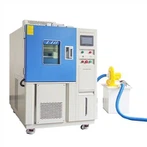
Accelerated weathering testing is critical for evaluating the durability of coatings, paints, and polymer materials. Accurate simulation of sunlight, temperature fluctuations, and moisture is essential for obtaining reliable results in days instead of years. Laboratories need a weatherometer that delivers repeatable, standard-compliant exposure while maintaining operational stability. LIB's Xenon Arc Chamber Weatherometer meets these demands with full-spectrum sunlight simulation, precise temperature and humidity control, and programmable light, water, and dark cycles.
Our long-term customers confirm the chamber's reliability in real lab conditions. For example, a recent user in Vietnam shared feedback after following LIB's maintenance guidance: "The chamber works stably." This endorsement demonstrates that with regular maintenance, LIB's Xenon Arc Chamber Weatherometer provides continuous, high-precision weathering testing without interruptions, ensuring confidence in accelerated coating evaluation.
Difference Between ASTM G155 and ISO 4892‑2
ASTM G155 and ISO 4892‑2 are two widely used standards for xenon arc weathering tests, but they differ in scope, cycle design, and parameter control. ASTM G155 focuses on coatings and simulates real-world outdoor exposure through alternating light, water spray, and dark cycles. ISO 4892‑2 is more flexible, covering plastics, textiles, and a broader range of materials, emphasizing spectral irradiance control and standardized test exposure methods.
| Feature | ASTM G155 | ISO 4892‑2 |
|---|---|---|
| Target Materials | Coatings, paints | Plastics, coatings, textiles |
| Exposure Cycles | Predefined cycles of light, water spray, and dark phases | Flexible light/dark cycles with optional water spray or humidity control |
| Black Panel Temperature (BPT) | Typically 63 °C (Cycle 1) | Adjustable per material; 35–80 °C common |
| Irradiance Control | Wavelength 300–400 nm, commonly 340 nm | Wavelength 300–400 nm or 420 nm; spectral flux adjustable |
| Water Spray | Specified intervals (e.g., 102 min light + 18 min spray) | Optional, user-defined for condensation or wetting |
| Application Focus | Outdoor coating performance | General weathering, indoor/outdoor plastic and textile materials |
| Reporting | Emphasizes ΔE, gloss change, cracking | Emphasizes material degradation, surface changes, standardized exposure |
While both standards require xenon arc lamps and precise control of environmental conditions, ISO 4892‑2 allows for more flexibility in cycle design, making it suitable for plastics and other materials beyond coatings. ASTM G155 provides more prescriptive cycles tailored for outdoor coating exposure, which ensures repeatability for comparative studies in paint and varnish durability.

Accelerated Weathering Chambers for Aging Testing
Xenon Arc Chamber Weatherometer Working Principle
The Xenon Arc Chamber Weatherometer reproduces sunlight by using high-intensity xenon arc lamps filtered to match solar spectral distribution from 280–800 nm. Daylight, window glass, and extended UV filters allow the chamber to simulate direct sunlight, sunlight through glass, and enhanced UV exposure for accelerated photoaging.
Temperature control is achieved via precise black panel temperature (BPT) regulation between 35–85 °C (±2 °C) and chamber air temperature adjustment, ensuring accurate simulation of heat effects on coatings. Humidity is adjustable from 50–98 % RH (±5 %), and alternating dry/wet cycles or water spray cycles replicate real-world climate changes.
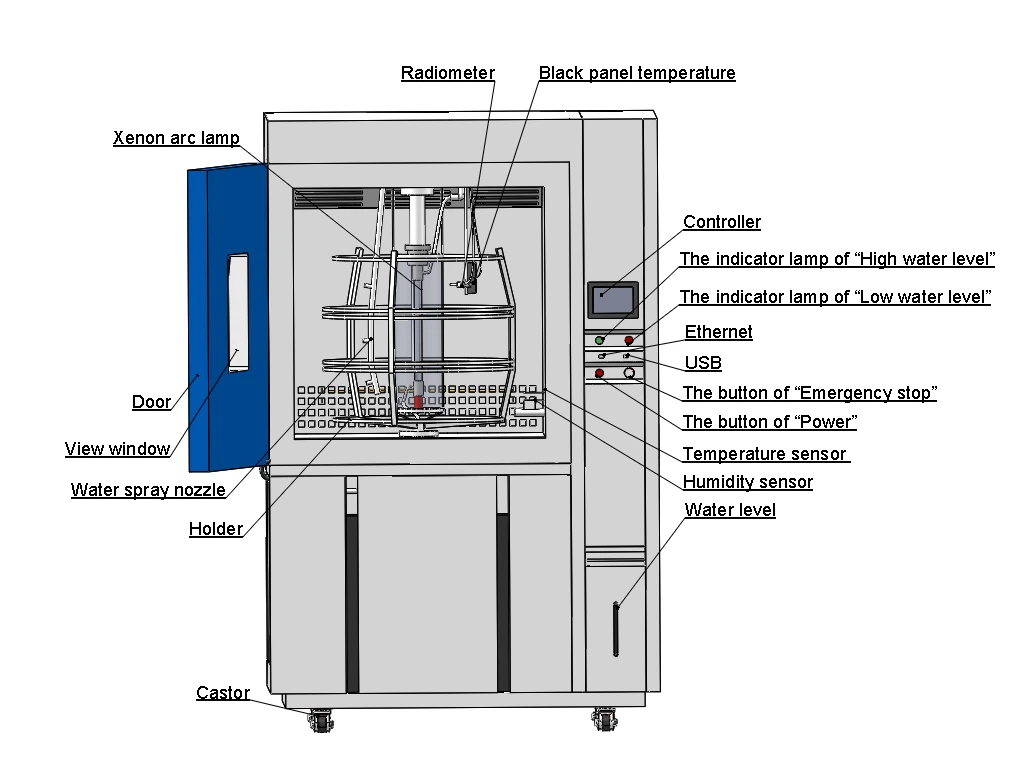
A rotating sample rack ensures uniform light and water exposure for all specimens, holding up to 42 samples. Automated PID controllers continuously log irradiance, BPT, and environmental conditions, exporting data via Ethernet or Wi-Fi for traceable reporting. Closed-loop water filtration and recycling significantly reduce water consumption while maintaining clean spray quality.
In short, the Xenon Arc Chamber integrates light, heat, and moisture control to accelerate material aging while maintaining accuracy and repeatability.
LIB Xenon Arc Chamber Weatherometer ASTM G155 Cycle 1 Coating Test Case
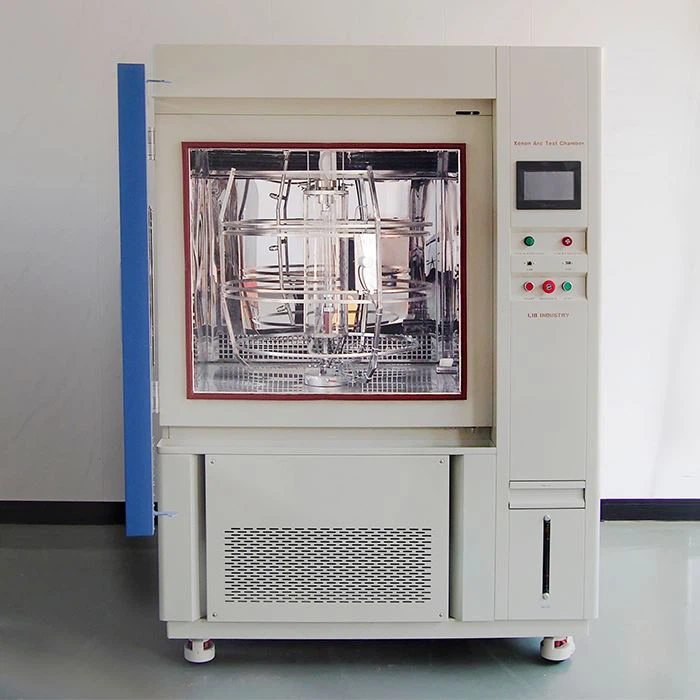
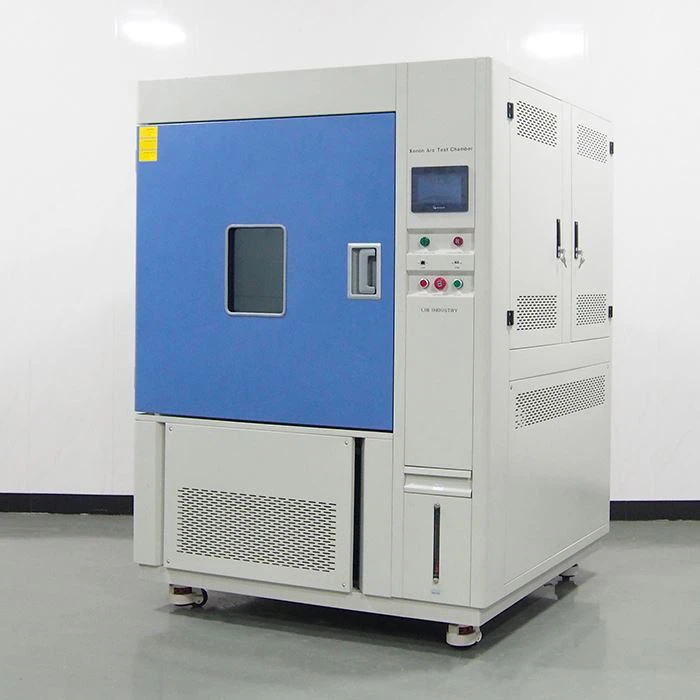
Testing coatings under ASTM G155 Cycle 1 requires careful simulation of sunlight and moisture cycles. LIB's Xenon Arc Chamber Weatherometer provides a fully automated, precise solution for these tests.
|
|
 |
 |
|
|
Model |
XL-S-750 |
|
Internal Dimension (mm) |
950*950*850 mm |
|
Overall Dimension (mm) |
1300*1420*1800 mm |
|
Sample holder |
Adjustable speed, 1r /min |
|
Chamber Type |
Rotating Holder |
|
Irradiation Source |
1 piece of 4500w water-cooled xenon arc lamp with inner quartz and outer borosilicate filter |
|
Irradiance Range |
150 W/㎡ |
|
Bandwidth Measurement |
300~400 nm |
|
Chamber Temperature Range |
-40~ 100 ℃ ±2 ℃ |
|
Black Panel Temperature |
BPT 35 ~ 85 ℃ ±2 ℃ |
|
Humidity Range |
30 % ~ 98 % RH |
|
Water Spray Cycle |
1~9999 H 59 M (Adjustable) |
|
Controller |
Programmable color LCD touch screen controller |
|
Radiometer |
UV Radiometer, Tolerance: ±5 % |
Step 1: Sample Preparation
Painted or coated samples are placed on the rotating xenon lamp rack, which supports up to 42 specimens simultaneously. The standard rack accommodates samples up to 3 cm thick; custom racks can support thicknesses up to 11 cm. The rotation ensures uniform irradiation, while labels and orientation replicate real-world exposure.
LIB Advantage: Rotating racks with uniform light distribution eliminate variability between samples, ensuring accurate comparative results. Customizable rack thickness accommodates a wide range of product types.
|
|
|
| Workroom |
Hanging specimen |


Step 2: Chamber Preheating and Setup
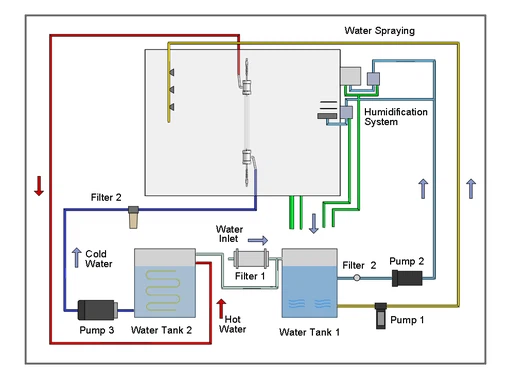
The black panel temperature is set to 63 °C, and the chamber air temperature is adjusted to 35–50 °C depending on the sample color. The water spray system is filled and operational. Automated liquid-level sensors in the two independent tanks-one large for lamp cooling and humidity, one small for spray-monitor water levels and prevent overflow.
LIB Advantage: Dual water tanks with filtration and closed-loop recycling provide stable humidity, reduce water consumption by up to 80 %, and prevent interruptions during long-term testing.
|
|
|


xenon lamp and filters
Step 3: Run ASTM G155 Cycle 1
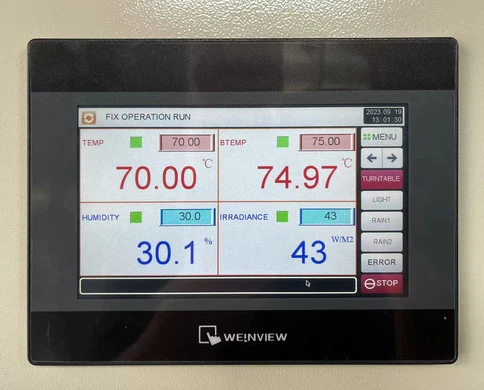
Cycle 1 consists of 102 minutes of continuous light followed by 18 minutes of light with water spray, repeated for the desired number of cycles. The xenon arc lamp with daylight filter simulates real sunlight at 340 nm, while the PID controller maintains precise BPT.
LIB Advantage: Up to 120 programmable test programs with 100 segments each allow complex sequences to run automatically. Real-time logging ensures repeatable, standards-compliant data collection.
 |
 |
| Control system | |
Step 4: Monitoring and Data Recording
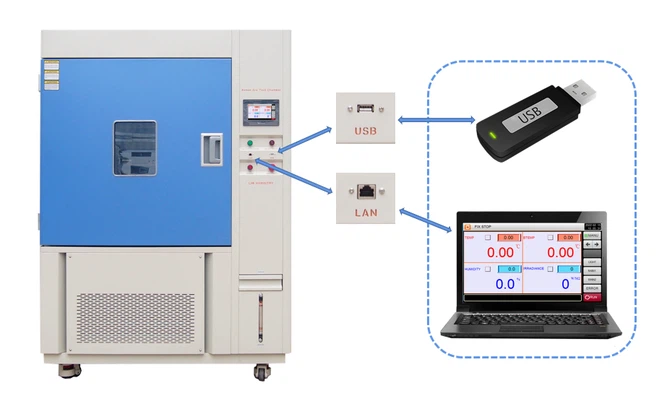
Irradiance, BPT, and chamber air temperature are monitored continuously. All data are automatically exported via Ethernet, enabling historical comparison and compliance verification.
LIB Advantage: Automated data capture eliminates manual errors, ensures traceability, and enables remote monitoring for efficient lab operations.
 |
|
|
|
Spraying system provides uniform water over specimens. Automatic water supply, filtration, and drainage ensure uninterrupted long-term testing. |
||

Step 5: Evaluation of Degradation
After testing, coatings are examined for color change (ΔE), gloss reduction, cracking, or adhesion loss. Quantitative results are recorded according to ASTM G155 standards.
LIB Advantage: Uniform exposure and controlled environmental conditions produce highly reproducible degradation patterns, enabling confident evaluation of coating durability.
This workflow illustrates how LIB's Xenon Arc Chamber ensures accurate, repeatable, and reliable ASTM G155 testing, making it a preferred choice for laboratories worldwide.
FAQs on the Xenon Arc Chamber Weatherometer
Q1: What is the lifespan of the xenon lamp tube?
A: The standard lifespan is 1,600 hours. After this, light intensity decreases gradually, so replacing the lamp ensures continued accuracy.
Q2: What is the maximum sample thickness for standard and customized racks?
A: Standard racks accommodate up to 3 cm. Custom racks can support up to 11 cm for specialized applications.
Q3: If the chamber is not fully loaded, does it affect humidity?
A: No. Uniform airflow and light distribution maintain stable humidity regardless of sample gaps.
Q4: What is the diameter of the rotating xenon lamp rack?
A: 650 mm, with a sample-to-lamp distance of 320–420 mm, meeting ASTM G155 requirements for uniform exposure.
Q5: Can water spray come from both front and rear?
A: Yes, optional rear spray is available to enhance damp-heat cycling, at an additional cost of $1,230.
Q6: Do both water tanks have level gauges?
A: The large tank has automated water-level monitoring with high/low alarms. The small spray tank has a manual level gauge and overflow outlet.
Any customization can be made. LIB offers a 3-year warranty and lifetime service. Any issues that cannot be resolved during the warranty period will be replaced free of charge. 24/7 English-speaking after-sales team. Fast shipping within 7-15 days.
LIB Xenon Arc Lamp Chamber provides a robust, standards-compliant, and efficient solution for accelerated weathering. By combining true sunlight simulation, precise temperature and humidity control, programmable cycles, uniform sample exposure, and automated data logging, LIB ensures reliable and repeatable results for coatings, plastics, and other materials.
Contact LIB Industry today to design a customized test plan, implement ASTM G155 or ISO 4892‑2 cycles, and accelerate coating development with precise, internationally recognized weathering results.