In the world of environmental testing, ensuring the durability and reliability of products against various external factors is crucial. One such critical test is the IP6X test procedure, which evaluates a product's resistance to dust ingress. This comprehensive guide will delve into the intricacies of the IP6X test, its significance, and the role of IP6X test chambers in conducting these vital assessments.

The IP6X Test Procedure: A Step-by-Step Breakdown
The IP6X test procedure is a rigorous and detailed process designed to assess a product's ability to resist dust ingress, a critical factor for devices that need to operate reliably in dusty environments.
Preparation and Setup
Before the IP6X test can begin, thorough preparation is essential. The test specimen, typically an electronic device or mechanical component, is carefully placed in its normal operating orientation within the IP6X test chamber. This chamber is specially designed to simulate real-world dust exposure, featuring advanced dust circulation mechanisms. To ensure the validity of the test, the chamber and the specimen must be properly sealed and the chamber's systems calibrated. The environment within the chamber is adjusted to mirror typical operating conditions, setting the stage for the subsequent testing phases.
Dust Exposure Phase
The core of the IP6X test is the dust exposure phase. A specified type of talcum powder, which mimics fine dust particles, is introduced into the IP6X test chamber. This talcum powder is finely graded, with particles no larger than 75 micrometers in diameter, representing the worst-case scenario for dust ingress. Once the dust is introduced, the chamber's internal fans or other agitation methods are activated to circulate the dust evenly. This circulation ensures that every part of the test specimen is exposed to the dust, challenging its seals and enclosures to the fullest extent. The goal is to observe whether any dust can penetrate the protective barriers of the product.
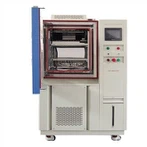
LIB IP6X test chamber
LIB designed and produced different size and configuration of dust chamber, has capacity of 800 liters, 1000 liters, 1500 liters, 2000 liters and larger volume based on various specimens.
-
5 +Service centerOn every continent
-
36 +MonthsWarranty period


Duration and Environmental Conditions
The IP6X test is not a quick procedure; it typically runs for 8 hours to provide a thorough assessment of the product's dust resistance. During this time, the dust is continuously agitated to maintain constant exposure to the test specimen. Additionally, the environmental conditions within the chamber-particularly temperature and humidity-are meticulously controlled. These conditions are kept within predefined limits to ensure consistency and repeatability of the test results. By the end of the 8-hour period, the product is carefully examined to determine if any dust ingress has occurred, which would indicate a failure to meet the IP6X standard.
Evaluating IP6X Test Results and Implications
After the dust exposure phase, the test specimen undergoes a thorough examination to determine its performance and compliance with IP6X standards.
Post-Test Inspection
Following the dust exposure phase, the test specimen is carefully extracted from the IP6X test chamber for a detailed inspection. The product is often disassembled to allow a thorough examination of its internal components, checking for any traces of dust ingress. This inspection is meticulous, as even the smallest amount of dust inside the enclosure can compromise the product's functionality and reliability. The assessment ensures that the seals and enclosures have performed effectively under extreme conditions.
Pass/Fail Criteria
The pass/fail criteria for the IP6X test are clear-cut: there should be no visible dust deposits within the product's enclosure that could interfere with its operation or safety. A successful test means the product is fully protected against dust ingress, while a failure indicates the need for redesign or improvement of the sealing mechanisms. The IP6X rating is not just a technical achievement, but a mark of quality that assures consumers of the product's resilience in harsh environments.
Implications for Product Design and Marketing
Securing an IP6X rating has far-reaching implications for a product's design and market appeal. It confirms that the product is suitable for use in dusty environments, enhancing its appeal in industries where dust resistance is critical. From a marketing perspective, this certification can be a powerful tool, signaling the product's durability and the manufacturer's commitment to quality. This, in turn, can lead to increased consumer trust, higher sales, and a stronger competitive edge in the marketplace.
Best Practices for Conducting IP6X Tests
To maximize the effectiveness and reliability of IP6X testing using an IP6X test chamber, it's essential to follow industry best practices and standards.
Adherence to International Standards
One of the fundamental best practices is strict adherence to established international standards, such as IEC 60529. These standards outline the precise procedures, equipment requirements, and criteria for interpreting results, ensuring that the IP6X test is conducted uniformly across different testing environments. Following these guidelines minimizes the risk of discrepancies and guarantees that the test results are globally recognized and accepted.
Sample Preparation and Handling
Accurate IP6X testing begins with meticulous sample preparation and handling. The test specimen must be in its intended operational state, meaning it should be assembled as it would be in real-world use. This ensures that the test reflects actual performance. Careful handling is equally important; the integrity of the product's seals and enclosures should be preserved throughout the process to avoid any unintentional compromise that could lead to inaccurate results. This attention to detail helps to simulate real-life conditions as closely as possible.
Documentation and Reporting
Thorough documentation is another critical aspect of best practices in IP6X testing. Every step of the test procedure, including the environmental conditions, duration, and any observations, should be carefully recorded. Detailed documentation not only provides a clear record of the testing process but also serves as essential evidence for product certification and quality assurance. This comprehensive reporting ensures transparency and can be invaluable for manufacturers seeking to demonstrate compliance with dust resistance standards to customers, regulators, and certification bodies.
Conclusion
In conclusion, the IP6X test procedure is a critical component in ensuring the reliability and durability of products designed for dusty environments. By utilizing advanced IP6X test chambers and adhering to rigorous testing standards, manufacturers can confidently produce devices that withstand the challenges of dust exposure, ultimately leading to improved product performance and customer satisfaction.
For more information about our Ip6X Dust Chambers and environmental testing solutions, please contact us at info@libtestchamber.com. Our team of experts is ready to assist you in achieving optimal product performance and compliance with international standards.
References
1. Johnson, A. (2022). "Understanding IP Ratings: A Comprehensive Guide to Ingress Protection Standards." Journal of Environmental Testing, 15(3), 78-92.
2. Smith, B., & Brown, C. (2021). "Advancements in IP6X Test Chamber Technology." International Conference on Environmental Testing Proceedings, 456-470.
3. Lee, D. et al. (2023). "Comparative Analysis of IP6X Test Procedures Across Different Industries." Environmental Protection and Product Reliability, 28(2), 112-128.
4. Garcia, M. (2022). "The Impact of IP6X Certification on Product Marketability and Consumer Confidence." Journal of Product Innovation Management, 39(4), 345-360.
5. Wilson, E., & Taylor, F. (2021). "Best Practices in IP6X Testing: Ensuring Accuracy and Repeatability." Quality Assurance in Manufacturing, 17(1), 23-38.
6. Chen, H. (2023). "Future Trends in Environmental Testing: Integration of IP6X with Other Performance Assessments." Advances in Testing Technology, 11(3), 201-215.