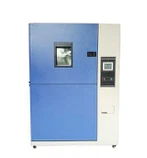
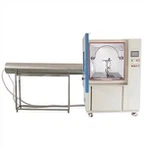
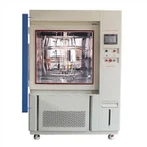
Gas mixing chambers are critical components in various industries, designed to accurately blend gases for testing, calibration, and manufacturing processes. These chambers, also known as mixed flowing gas chambers, are integral to environmental testing, ensuring that products perform reliably under various gas conditions. This article will explore the purpose, applications, and benefits of gas mixing chambers.

What Does a Gas Mixing Chamber Do?
A gas mixing chamber is engineered to precisely mix different gases in controlled ratios to simulate specific environments. This capability is essential for industries that need to test products under various atmospheric conditions, such as automotive, aerospace, electronics, and pharmaceuticals. For example, in the electronics industry, gas mixing chambers help simulate the effects of corrosive gases on materials and components, ensuring their durability and performance over time.
Precision in Gas Mixture Control
One of the key features of a gas mixing chamber is its ability to maintain precise control over the gas mixture. This precision is achieved through advanced control systems that regulate the flow and concentration of gases, allowing for accurate simulations of real-world conditions. Whether it's testing the effects of humidity, oxygen, carbon dioxide, or other gases, the chamber ensures that the test environment is consistent and reliable.
Applications Across Industries
Gas mixing chambers are used across a wide range of industries, each with its specific requirements:
Electronics
To assess the impact of corrosive gases on electronic components.

Aerospace
To simulate high-altitude conditions and test materials for aircraft.
Pharmaceuticals
To ensure that drug packaging can withstand various atmospheric conditions.
Automotive
To test the effects of exhaust gases on vehicle components.
Benefits of Using a Gas Mixing Chamber
Using a gas mixing chamber offers several benefits, including enhanced product reliability, compliance with industry standards, and the ability to innovate new products. By simulating different environmental conditions, manufacturers can identify potential issues early in the design process, reducing the risk of product failure in the field.
How Does a Mixed Flowing Gas Chamber Work?
A mixed flowing gas chamber operates by introducing a controlled flow of gases into a sealed environment, where the mixture is precisely monitored and adjusted. The chamber typically includes sensors and control systems that ensure the gas concentrations remain within specified limits. This process allows for the simulation of various environmental conditions, making it possible to test the effects of gas exposure on materials and components over time.
Components of a Gas Mixing Chamber
A typical gas mixing chamber consists of several key components:
- Gas Inlets: Where different gases are introduced into the chamber.
- Mixing System: Ensures the gases are evenly distributed within the chamber.
- Control System: Monitors and adjusts the gas concentrations to maintain the desired environment.
- Sensors: Detect any deviations in gas concentration and alert the control system to adjust.
The Role of Sensors in Maintaining Accuracy
Sensors play a critical role in maintaining the accuracy of a mixed flowing gas chamber. They continuously monitor the gas concentrations and provide feedback to the control system, which adjusts the gas flow as needed. This real-time monitoring ensures that the test environment remains stable, providing consistent and reliable results.
Customization for Specific Applications
Gas mixing chambers can be customized to meet the specific needs of different industries. For example, in the pharmaceutical industry, a chamber might be designed to test the effects of high humidity and oxygen levels on drug packaging. In contrast, an electronics manufacturer might require a chamber that can simulate the corrosive effects of sulfur dioxide on circuit boards. This flexibility allows manufacturers to tailor the chamber to their unique testing requirements.

|
Air Change Rate |
3~5 times / hour |
|||||
|
So2 concentration |
1 ~ 35 ppm with adjustable |
|||||
|
H2S concentration |
10 ~ 30 ppm with adjustable |
|||||
|
No2 concentration |
10 ~ 100 ppm with adjustable |
|||||
|
NH3 concentration |
1000 ~2000 ppm with adjustable |
|||||
Well-known partner
years experience
Global agency
Global service center
Why Invest in a Gas Mixing Chamber?
Investing in a mixed flowing gas chamber can provide significant advantages for manufacturers, including improved product quality, faster time to market, and reduced costs associated with product failures. By accurately simulating environmental conditions, these chambers help ensure that products perform as expected in the real world, leading to higher customer satisfaction and brand loyalty.
Enhancing Product Reliability
Product reliability is a key concern for manufacturers, and a gas mixing chamber can help address this by providing accurate and consistent testing environments. By identifying potential issues early in the design process, manufacturers can make necessary adjustments before the product goes to market, reducing the risk of costly recalls and customer dissatisfaction.
Compliance with Industry Standards
Many industries have strict standards for product testing, and a gas mixing chamber can help manufacturers meet these requirements. By providing a controlled environment for testing, the chamber ensures that products comply with industry regulations, avoiding potential legal and financial repercussions.
Driving Innovation
Gas mixing chambers also play a crucial role in driving innovation. By allowing manufacturers to test new materials and designs under various environmental conditions, these chambers enable the development of new products that can withstand the challenges of the real world. This capability is particularly important in industries like aerospace and electronics, where product performance is critical.
Conclusion
Mixed flowing gas chambers are essential tools for manufacturers across various industries, providing accurate and reliable testing environments that ensure product performance and compliance with industry standards. By investing in a gas mixing chamber, manufacturers can enhance product reliability, drive innovation, and ultimately improve customer satisfaction.
If you want to learn more about how a Mixed Gas Chamber can benefit your business, or if you have specific testing needs, please contact us at info@libtestchamber.com. Our team of experts is ready to assist you with tailored solutions that meet your unique requirements.
References
1. Industry Standards for Gas Mixing Chambers.
2. Applications of Mixed Flowing Gas Chambers in Electronics Testing.
3. The Role of Gas Mixing Chambers in Automotive Manufacturing.
4. Advances in Gas Mixing Technology for Environmental Testing.
5. Customization of Gas Mixing Chambers for Aerospace Applications.
6. Enhancing Product Reliability with Gas Mixing Chambers.