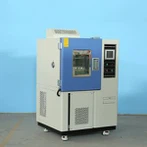
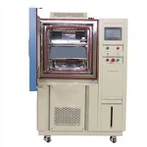
Rain testing is a crucial process for many industries, particularly those involved in manufacturing products designed to withstand various environmental conditions. From automotive parts to electronic devices, rain testing ensures that products can endure and function correctly under exposure to water. To achieve this, specialized equipment like rain test chambers is used to simulate rain and other water-related conditions. But what standards are followed in rain testing to ensure consistency, reliability, and safety? This blog will explore the key standards that guide rain testing, focusing on the use of rain test chambers.

What Is the Purpose of Rain Testing?
Rain testing serves multiple purposes across different industries. At its core, it helps to assess the water resistance of products, ensuring they can withstand rain or other forms of water exposure. This is particularly important for products that are used outdoors or in environments where water exposure is likely.
Assessing Product Durability
One of the primary reasons for conducting rain testing is to evaluate the durability of a product when exposed to water. This is particularly significant for products such as outdoor furniture, automotive components, and construction materials. By simulating rain conditions, manufacturers can identify potential weaknesses in the design or material composition, allowing for improvements before the product reaches the market.
Ensuring Safety and Compliance
Rain testing is also crucial for ensuring that products meet specific safety and compliance standards. For instance, electronic devices must be tested to ensure that they do not pose a risk of electric shock or short-circuiting when exposed to water. This not only protects consumers but also helps manufacturers avoid costly recalls and legal issues.
Enhancing Product Quality
Finally, rain testing helps to enhance the overall quality of a product. By subjecting products to rigorous testing, manufacturers can ensure that their products are built to last, even in challenging environmental conditions. This can lead to higher customer satisfaction and a stronger brand reputation.
What Are the Key Standards for Rain Testing?
There are several international standards that guide the rain test process using a rain test chamber to ensure consistency and reliability. These standards are developed by organizations such as the International Electrotechnical Commission (IEC), the American Society for Testing and Materials (ASTM), and the International Organization for Standardization (ISO).
IEC 60529: Degrees of Protection Provided by Enclosures (IP Code)
The IEC 60529 standard, also known as the IP Code, is one of the most widely recognized standards for rain testing. It defines the levels of protection provided by enclosures against the intrusion of water and solid objects. The IP Code consists of two digits, where the first digit indicates the level of protection against solid objects, and the second digit represents the level of protection against water.
- First Digit (Solid Objects Protection): Ranges from 0 to 6, with 0 indicating no protection and 6 indicating complete protection against dust.
- Second Digit (Water Protection): Ranges from 0 to 9, with 0 indicating no protection and 9 indicating protection against high-pressure, high-temperature water jets.
For rain testing, the second digit is of particular importance, as it determines the product's ability to resist water ingress.

ISO 20653: Road Vehicles – Degrees of Protection (IP Code)
Similar to IEC 60529, ISO 20653 provides an IP Code specific to road vehicles. This standard is essential for automotive manufacturers, as it ensures that vehicle components can withstand exposure to water, dust, and other environmental factors.
- Protection Against Water Ingress: Specifies the levels of protection against water ingress for automotive components, ranging from light rain to immersion.
- Testing Procedures: Provides detailed guidelines for conducting rain testing, including the duration of the test, water pressure, and the angle of water spray.

How Are Rain Test Chambers Used in Compliance with These Standards?
Rain test chambers are specialized pieces of equipment designed to simulate various rain conditions, from light drizzle to heavy downpours. These chambers are essential tools for conducting rain testing in compliance with the aforementioned standards.
Designing the Test Environment
Rain test chambers are designed to create a controlled environment where specific rain conditions can be simulated. This includes controlling factors such as water pressure, temperature, and the duration of exposure. By using a rain test chamber, manufacturers can ensure that their products are tested under consistent and repeatable conditions, which is essential for meeting industry standards.
Conducting the Test
Once the test environment is set up, the product is placed inside the rain test chamber, and the testing process begins. The chamber will simulate rain conditions according to the parameters specified in the relevant standards. During the test, the product is monitored for any signs of water ingress, corrosion, or other forms of damage.
Analyzing the Results
After the test is complete, the product is carefully examined to determine its performance under the simulated rain conditions. This analysis helps manufacturers identify any potential issues with the product's design or materials, allowing them to make necessary improvements before the product is released to the market.


Conclusion
Rain testing is a critical process for ensuring the quality, durability, and safety of products across various industries. By following established standards such as IEC 60529, ASTM B117, and ISO 20653, manufacturers can conduct rain testing in a consistent and reliable manner, ensuring that their products meet the highest standards of water resistance. Rain test chambers play a vital role in this process, providing a controlled environment where products can be tested under simulated rain conditions. As a result, manufacturers can deliver products that are built to last, even in challenging environments.
If you want to learn more about Rain Test Chambers and how they can benefit your business, please feel free to contact us at info@libtestchamber.com. Our team of experts is here to help you find the perfect solution for your rain testing needs.
References
1. International Electrotechnical Commission (IEC). (2013). IEC 60529: Degrees of Protection Provided by Enclosures (IP Code).
2. American Society for Testing and Materials (ASTM). (2020). ASTM B117: Standard Practice for Operating Salt Spray (Fog) Apparatus.
3. International Organization for Standardization (ISO). (2018). ISO 20653: Road Vehicles – Degrees of Protection (IP Code).
4. National Institute of Standards and Technology (NIST). (2019). Testing and Standards for Environmental Chambers.
5. Society of Automotive Engineers (SAE). (2017). SAE J575: Test Methods and Equipment for Lighting Devices.
6. European Committee for Standardization (CEN). (2021). EN 60529: Degrees of Protection Provided by Enclosures (IP Code).