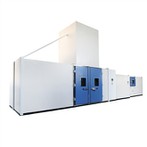
In various industries, equipment and materials are often exposed to harsh environments. One critical test to ensure durability and reliability under such conditions is the sand and dust test. This test simulates the effects of dust storms, desert environments, and other dusty conditions, assessing the ability of products to withstand and operate efficiently in these scenarios. In this blog, we'll explore what the sand and dust test entails, its importance, and how sand and dust chambers are used in this testing process.
What is the Purpose of the Sand and Dust Test?
The primary purpose of the sand and dust test is to evaluate how well products can withstand and function in dusty environments. This test is crucial for industries like automotive, aerospace, electronics, and military, where equipment and components are typically exposed to challenging conditions. By simulating real-world environments, manufacturers can identify potential issues, improve product designs, and ensure that their products meet rigorous standards for durability and performance.
Ensuring Product Reliability
Products, especially those used in outdoor or harsh environments, must perform reliably under various conditions. Dust particles can infiltrate mechanical parts, clog filters, cause electrical malfunctions, and wear down components. The sand and dust test helps identify vulnerabilities, allowing manufacturers to enhance their products' resilience.
Compliance with Standards
Many industries have stringent standards and regulations regarding product performance in dusty conditions. The sand and dust test using a sand and dust chamber ensure that products comply with these standards, which is essential for market approval and customer trust. Standards such as MIL-STD-810G (for military equipment) and ISO 20653 (for automotive components) outline specific testing procedures and criteria that products must meet.
Cost Savings
By identifying potential issues early in the development process, manufacturers can avoid costly recalls and repairs. The sand and dust test helps prevent product failures in the field, reducing warranty claims and maintenance costs. This proactive approach to quality control ultimately saves time and money.
How is the Sand and Dust Test Conducted?
Conducting a sand and dust test involves several steps, each designed to replicate real-world dusty conditions. Specialized equipment, known as sand and dust chambers, are used to create controlled environments where products are tested for their resistance to dust ingress and performance under such conditions.
|
|
|
| Name | IP66 Dust Proof Tester |
|
Workroom dimension (mm) |
800*800*800 D*W*H |
|
External dimension (mm) |
950*3150*1800 D*W*H |
|
Interior Volume (L) |
510 |
|
Diameter of Turntable (mm) |
600 |
|
Turntable loads |
20kgs Max |
|
Turntable Rotation Speed |
0~7r/min (Adjustable) |
|
Internal Diameter of IPX5 Nozzle |
6.3 mm |
|
Internal Diameter of IPX6 Nozzle |
12.5 mm |
|
Water Flow Rate IPX5/ IPX6 |
12.5L/min ±5% / 100L/min ±5% |
|
Controller |
Programmable color LCD touch screen controller |
|
Ethernet connection, PC Link, USB |
|
|
Build-in Water Tank(mm) |
370*375*950 |
|
View Window Size(mm) |
475*475 |


Test Setup
The test begins with the placement of the product inside the sand and dust chamber. The chamber is equipped with devices to control the concentration, particle size, and flow of dust. Parameters such as temperature, humidity, and test duration are set according to industry standards or specific test requirements.
Dust Generation
Dust particles are generated and dispersed within the sand and dust chamber to simulate natural dusty environments. The type of dust used can vary depending on the test standard and the intended application of the product. Common types of dust include fine silica dust, Arizona dust, and talcum powder, each representing different real-world conditions.
 |
 |
|
| Test Area | LAN and USB | Controller |

Exposure and Monitoring
During the test, the product is exposed to the dusty environment for a specified period. Monitoring equipment inside the chamber records data on temperature, humidity, and dust concentration to ensure that the conditions remain consistent throughout the test. This data helps in assessing the product's performance under controlled dusty conditions.
Post-Test Analysis
After the test, the product is thoroughly inspected for any signs of dust infiltration, wear, or damage. Functional tests are conducted to ensure that the product operates correctly despite exposure to dust. The results are analyzed to determine if the product meets the required standards and performance criteria.
|
Sand and Dust Test Chamber for Dustproof and Waterproof Performance Testing |
||
|
|
1. Reliable IP66K Test Devices 2. Efficient IP6X Dust Ingress Test Chamber 3. Comprehensive IP6X IP5X Ingress Test Chamber 4. Precision IPX6K Test Chamber 5. Durable IPX5 IPX6 Water Jetting Test Chamber |
|

Why are Sand and Dust Chambers Important?
Sand and dust chambers play a vital role in the sand and dust test process. These specialized chambers are designed to create precise and repeatable conditions for testing, ensuring accurate and reliable results.
Controlled Environment
Sand and dust chambers provide a controlled environment where various parameters can be adjusted to replicate specific dusty conditions. This control allows for consistent and repeatable tests, which are essential for comparing results and ensuring product reliability.
Versatility
Sand and dust chambers can accommodate a wide range of products, from small electronic components to large vehicles. This versatility makes them suitable for various industries, including automotive, aerospace, electronics, and military. The ability to test different products under the same conditions helps in standardizing testing procedures and criteria.
Compliance Testing
Sand and dust chambers are designed to meet industry standards and regulations, ensuring that tests are conducted according to recognized procedures. This compliance is crucial for obtaining certifications and approvals required for market entry and customer trust. By using standardized testing equipment, manufacturers can ensure that their products meet the necessary criteria for performance and durability.
Innovation and Improvement
By using sand and dust chambers, manufacturers can test new materials, designs, and technologies under controlled conditions. This testing fosters innovation and continuous improvement, helping companies develop better products that can withstand harsh environments. The insights gained from these tests drive advancements in product design and engineering, leading to more reliable and durable products.
Conclusion
The sand and dust test is a critical evaluation method used across various industries to ensure the durability and reliability of products in dusty environments. By simulating real-world conditions, this test helps manufacturers identify potential issues, improve product designs, and comply with industry standards. Sand and dust chambers play a crucial role in this process, providing a controlled environment for accurate and reliable testing. By investing in thorough testing procedures, companies can enhance product performance, reduce costs, and build customer trust.
If you want to learn more about this kind of Sand and Dust Chamber, welcome to contact us info@libtestchamber.com.