
Rain test chambers play a crucial role in evaluating the water resistance and durability of various products. These specialized environmental testing facilities simulate real-world rain conditions, allowing manufacturers to assess how their products perform under different levels of precipitation. In this comprehensive guide, we'll explore the diverse range of products that can benefit from rain testing, the importance of such evaluations, and the key features of rain test chambers.

Electronics and Electrical Equipment
One of the primary categories of products tested in rain chambers is electronics and electrical equipment. These items are particularly vulnerable to water damage, making it essential to assess their resistance to moisture and rain.
Consumer Electronics
Smartphones, tablets, laptops, and other portable devices are constantly exposed to various weather conditions. Rain test chambers help manufacturers ensure that these products can withstand accidental exposure to rain or high humidity environments. By subjecting these devices to controlled rain simulations, engineers can identify potential weak points in the design and improve water-resistant features.
Outdoor Electronic Equipment
Electronic devices designed for outdoor use, such as security cameras, weather stations, and digital signage, must be capable of functioning reliably in rainy conditions. Rain test chambers allow manufacturers to evaluate the effectiveness of weatherproofing measures and optimize their products for long-term outdoor performance.
Automotive Electronics
Modern vehicles are equipped with numerous electronic components, many of which are exposed to the elements. From infotainment systems to engine control units, these components must be protected against water ingress. Rain test chambers help automotive manufacturers ensure that their electronic systems can withstand heavy rain, splashes, and high humidity levels encountered during normal vehicle operation.
Automotive and Transportation Equipment
The automotive and transportation industry relies heavily on rain test chambers to evaluate the water resistance of various vehicle components and accessories.
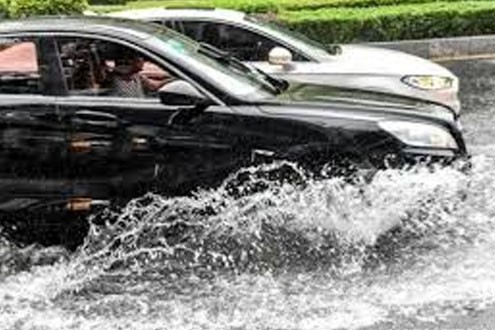
Chassis of the vehicle
The chassis of the vehicle is the intersection of many cables and pipes, and although these parts are usually watertight, prolonged immersion or water impact can still lead to aging rubber gaskets and weak seals, which can affect the vehicle's electronic system and drivetrain.

Lighting Systems
Headlights, taillights, and other exterior lighting components must be able to function correctly in rainy conditions. Rain test chambers help manufacturers evaluate the water resistance of these lighting systems, ensuring they remain operational and maintain proper visibility during inclement weather.
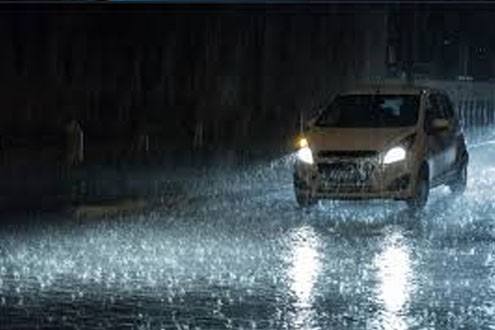
Vehicle shell tightness
When the vehicle is running or off, if it encounters heavy rain or snow (after melting), it may cause damage to some parts of the vehicle. For example, the water pressure inside the car will affect the seat adjustment motor, heating and ventilation and other electronic components.
Construction Materials and Building Products
The construction industry utilizes rain test chambers to evaluate the water resistance and durability of various building materials and products.
-
Roofing Materials
Roofing systems are the first line of defense against rain and must be thoroughly tested to ensure their effectiveness. Rain test chambers allow manufacturers to simulate various rainfall intensities and wind conditions, helping them assess the water-tightness of roofing materials, tiles, and membranes. This testing is crucial for preventing leaks and maintaining the structural integrity of buildings.
-
Windows and Doors
Windows and doors are potential weak points in a building's envelope when it comes to water infiltration. Rain test chambers help manufacturers evaluate the performance of these components under different rain conditions, allowing them to improve sealing techniques and drainage systems. This testing ensures that windows and doors can effectively prevent water ingress and maintain the comfort of building occupants.
-
Exterior Cladding and Siding
Exterior cladding and siding materials must be able to withstand prolonged exposure to rain without deteriorating or allowing water to penetrate the building envelope. Rain test chambers enable manufacturers to assess the water resistance of these materials, evaluate their long-term durability, and optimize their design for improved performance in wet conditions.
Aerospace and Aviation Components
The aerospace and aviation industry rely on rain test chambers to evaluate the performance of critical components under simulated rain conditions.
Aircraft Exteriors
Rain test chambers are used to assess the water resistance of aircraft fuselage panels, windows, and other exterior components. This testing helps manufacturers ensure that aircraft can maintain their structural integrity and aerodynamic properties even when flying through heavy rain. By simulating various rainfall intensities and wind speeds, engineers can optimize the design of aircraft exteriors to minimize water ingress and maintain flight safety.
Avionics Systems
Avionics systems, including navigation equipment, communication devices, and flight control systems, must be able to function reliably in all weather conditions. Rain test chambers allow manufacturers to evaluate the water resistance of these critical components, ensuring that they remain operational even when exposed to moisture. This testing is essential for maintaining the safety and reliability of aircraft during adverse weather conditions.
Aircraft Lighting
Exterior lighting systems on aircraft, such as navigation lights, landing lights, and anti-collision beacons, must be able to function effectively in rainy conditions. Rain test chambers help manufacturers assess the water resistance of these lighting components, ensuring that they maintain proper visibility and functionality during precipitation. This testing is crucial for enhancing flight safety and compliance with aviation regulations.
Marine Equipment and Watercraft
While marine equipment is designed to operate in wet environments, rain test chambers still play an important role in evaluating specific components and systems.

Navigation and Communication Systems
Marine navigation and communication equipment must be able to withstand exposure to both rain and saltwater spray. Rain test chambers allow manufacturers to assess the water resistance of these critical systems, ensuring that they remain operational in various weather conditions. This testing helps improve the reliability and durability of marine electronics, enhancing safety at sea.
Deck Equipment
Winches, hatches, and other deck equipment on boats and ships must be able to function reliably in wet conditions. Rain test chambers help manufacturers evaluate the water resistance of these components, ensuring that they can operate smoothly and safely even when exposed to heavy rain or sea spray. This testing is essential for developing robust and reliable marine equipment.
Safety Equipment
Life rafts, personal flotation devices, and other marine safety equipment must be able to withstand prolonged exposure to rain and moisture without deteriorating. Rain test chambers allow manufacturers to assess the water resistance and durability of these critical safety items, ensuring that they remain effective and reliable in emergency situations. This testing is crucial for meeting marine safety standards and regulations.
LIB Rain Test Chamber
Our equipment


In addition, our rain test chambers also include JIS D 0203, MIL-STD 810, UL50E series, etc.
Conclusion
In conclusion, rain test chambers are invaluable tools for evaluating the water resistance and durability of a wide range of products across various industries. From consumer electronics to building materials, automotive components to aerospace systems, these specialized testing facilities help manufacturers develop products that can withstand the challenges posed by rain and moisture. By subjecting products to controlled rain simulations, engineers can identify potential weaknesses, optimize designs, and ultimately create more reliable and durable goods for consumers and industries alike.
If you're interested in learning more about our Rain Test Chambers and how they can benefit your product development process, please don't hesitate to contact us at info@libtestchamber.com. Our team of experts is ready to assist you in finding the perfect testing solution for your specific needs.
References
1. Johnson, A. (2021). "Environmental Testing in the Electronics Industry: A Comprehensive Guide."
Smith, B., & Brown, C. (2020). "Advancements in Automotive Weather Testing Techniques."
2. Zhang, L., et al. (2019). "Building Envelope Performance Assessment: The Role of Rain Testing."
Miller, D. (2022). "Outdoor Product Development: Ensuring Durability Through Environmental Testing."
3. Anderson, R., & Wilson, T. (2021). "Aerospace Component Testing: Simulating Extreme Weather Conditions."
4. Thompson, E. (2020). "Marine Equipment Testing: Ensuring Reliability in Harsh Environments."


