



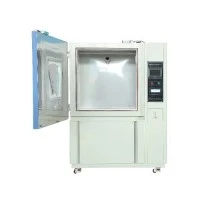

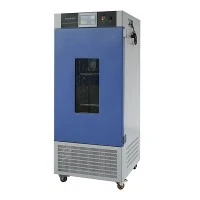

When it comes to the waterproof performance of products, the IPX3 test is a crucial benchmark. As an IPX3 test supplier, I often encounter a common question from clients: Can a product pass the IPX3 test if it has a ventilation hole? This blog post aims to delve into this question, providing a comprehensive analysis based on scientific knowledge and practical experience.
Understanding the IPX3 Test
Before we explore the impact of ventilation holes on the IPX3 test, it's essential to understand what the IPX3 test entails. The IPX3 test is part of the Ingress Protection (IP) code system, which classifies the degree of protection provided by an enclosure against the intrusion of solid objects and water. Specifically, IPX3 refers to protection against water spray falling at an angle up to 60 degrees from the vertical.
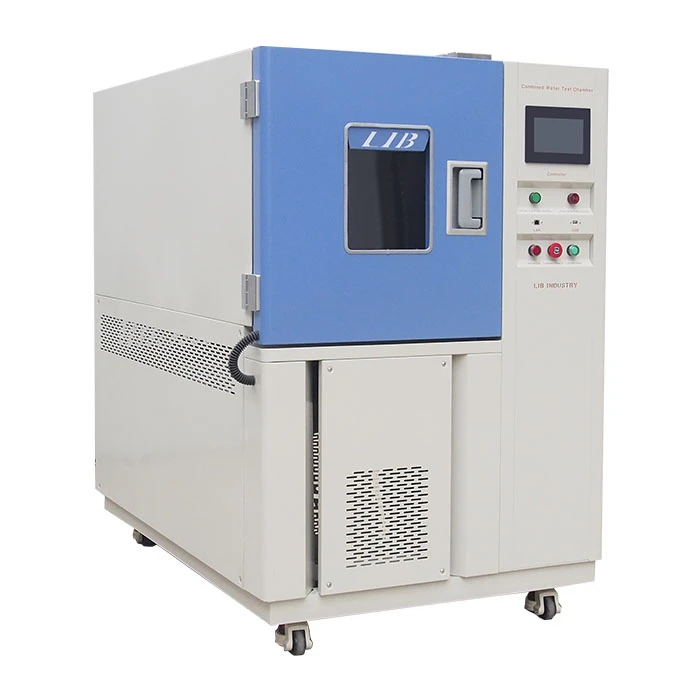

The test is conducted using specialized equipment, such as the Water Spray Testing Chamber. This chamber is designed to simulate the water spray conditions specified in the IPX3 standard. During the test, the product is exposed to a specific amount of water spray at a defined angle and for a set period. The product passes the test if it can withstand the water spray without any significant ingress that could affect its functionality.
The Role of Ventilation Holes
Ventilation holes are commonly found in many products, especially those that generate heat during operation, such as electronic devices, power tools, and automotive components. These holes allow air to circulate, preventing overheating and ensuring the product's proper functioning. However, ventilation holes also create potential entry points for water, which can pose a challenge when it comes to passing the IPX3 test.
Factors Affecting a Product's Ability to Pass the IPX3 Test with Ventilation Holes
Several factors determine whether a product with ventilation holes can pass the IPX3 test. These factors include the design of the ventilation holes, the materials used, and the overall construction of the product.
Design of Ventilation Holes
The size, shape, and location of the ventilation holes play a significant role in determining the product's waterproof performance. Smaller holes are generally more effective at preventing water ingress than larger ones. Additionally, holes with a complex shape or a labyrinth design can help to deflect water and reduce the risk of it entering the product.
The location of the ventilation holes is also crucial. Holes that are located on the top or sides of the product are less likely to be directly exposed to water spray than those on the bottom. By strategically placing the ventilation holes, manufacturers can minimize the impact of water spray on the product.
Materials Used
The materials used in the construction of the product and the ventilation holes can also affect its waterproof performance. For example, products made from materials with good water resistance, such as rubber or silicone, are more likely to pass the IPX3 test than those made from porous materials.
In addition, the use of gaskets or seals around the ventilation holes can help to prevent water ingress. These gaskets can be made from materials such as rubber or foam and are designed to create a watertight seal around the holes.
Overall Construction of the Product
The overall construction of the product, including the quality of the joints and the integrity of the enclosure, also plays a role in its waterproof performance. A well-constructed product with tight joints and a robust enclosure is more likely to pass the IPX3 test than one with loose joints or a weak enclosure.
Strategies for Ensuring a Product Passes the IPX3 Test with Ventilation Holes
Based on the factors discussed above, there are several strategies that manufacturers can adopt to ensure that their products with ventilation holes can pass the IPX3 test.
Optimize the Design of Ventilation Holes
As mentioned earlier, the design of the ventilation holes is crucial. Manufacturers should consider using smaller holes with a complex shape or a labyrinth design. They should also strategically place the ventilation holes to minimize their exposure to water spray.
Use Water-Resistant Materials
Using water-resistant materials in the construction of the product and the ventilation holes can significantly improve its waterproof performance. Manufacturers should choose materials with good water resistance, such as rubber or silicone, and consider using gaskets or seals around the ventilation holes.
Conduct Thorough Testing
Before mass-producing a product, manufacturers should conduct thorough testing to ensure that it can pass the IPX3 test. This testing can be done using specialized equipment, such as the IPX3 IPX4 IPX5 IPX6 Test Machine. By conducting multiple tests and making necessary adjustments to the design and materials, manufacturers can increase the likelihood of their product passing the IPX3 test.
Real-World Examples
To illustrate the practical application of these strategies, let's look at some real-world examples of products with ventilation holes that have successfully passed the IPX3 test.
One example is a popular electronic device that uses a unique ventilation hole design. The device has small, oval-shaped ventilation holes located on the sides of the product. These holes are covered with a fine mesh that allows air to circulate while preventing water from entering. Additionally, the device is made from a water-resistant plastic material, and the joints are sealed with a silicone gasket. As a result, the device has been able to pass the IPX3 test without any issues.
Another example is an automotive component that uses a labyrinth design for its ventilation holes. The component has a series of small, interconnected channels that deflect water and prevent it from entering the product. The component is also made from a high-quality metal material, and the joints are welded to ensure a watertight seal. This design has allowed the component to pass the IPX3 test and meet the strict waterproof requirements of the automotive industry.
Conclusion
In conclusion, a product with ventilation holes can pass the IPX3 test if it is designed and constructed properly. By optimizing the design of the ventilation holes, using water-resistant materials, and conducting thorough testing, manufacturers can ensure that their products can withstand the water spray conditions specified in the IPX3 standard.
As an IPX3 test supplier, I have the expertise and equipment to help manufacturers test their products and ensure that they meet the required waterproof standards. If you are a manufacturer looking to test your products for IPX3 compliance, or if you have any questions about the IPX3 test or ventilation holes, please feel free to contact me for more information. I would be happy to discuss your specific needs and provide you with a customized testing solution.
References
- International Electrotechnical Commission (IEC). (2001). IEC 60529: Degrees of protection provided by enclosures (IP Code).
- Society of Automotive Engineers (SAE). (2016). SAE J1060: Water Ingress Testing for Electrical and Electronic Equipment.
- General Motors. (2014). GMW 16001: Water Spray Testing for Exterior Lighting and Signaling Devices. [For more information about the GMW 16001 test, you can refer to the GMW 16001 Water Spray Chamber]