

We've all been there – you open a box of your favorite snacks, and the colors on the packaging look dull and faded. Or perhaps you grab a product off the shelf, only to notice that the print on its label is starting to wear away. It's frustrating, right? As a fadeometer supplier, I've seen firsthand how important it is for packaging materials to withstand the test of time and environmental factors.
So, can a fadeometer be used for testing packaging materials? The short answer is yes! In this blog post, I'll dive into the details of why fadeometers are a valuable tool for evaluating the durability of packaging materials and how they can help businesses ensure their products look their best from the factory to the consumer's hands.
What is a Fadeometer?
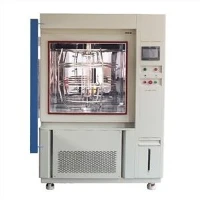
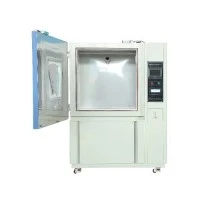
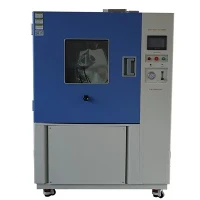
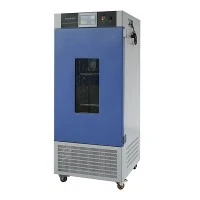
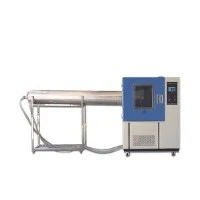
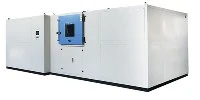
Before we get into the nitty - gritty of testing packaging materials, let's quickly go over what a fadeometer is. A fadeometer is basically a device that simulates the effects of sunlight, heat, and moisture on materials. It uses a combination of artificial light sources, such as xenon lamps, and controlled environmental conditions to replicate the aging process that materials would experience over an extended period in the real world.
There are several types of fadeometers available in the market, each with its own features and capabilities. For instance, the Light Fastness Test Instrument is designed specifically to measure the color fastness of materials when exposed to light. On the other hand, the Weather Machine can simulate a wider range of environmental conditions, including temperature changes and humidity, to provide a more comprehensive assessment of a material's durability.
Why Test Packaging Materials?
Now, you might be wondering why it's so important to test packaging materials. Well, there are several reasons. Firstly, packaging plays a crucial role in attracting consumers. Bright, vibrant colors and clear, legible labels can make a product stand out on the shelf and entice customers to make a purchase. If the packaging fades or loses its print quality over time, it can significantly reduce the product's visual appeal.
Secondly, packaging is also a form of brand representation. A company's logo, colors, and overall design are all part of its brand identity. Faded or damaged packaging can give the impression that the company doesn't pay attention to details, which can erode customer trust and loyalty.


Finally, from a practical perspective, packaging needs to protect the product inside. If the packaging material deteriorates due to exposure to sunlight or other environmental factors, it may not be able to provide adequate protection, leading to product damage or spoilage.
How Fadeometers Can Help Test Packaging Materials
Fadeometers offer a controlled and accelerated way to test the durability of packaging materials. Here's how it works:
-
Simulating Sunlight Exposure: One of the main causes of fading in packaging materials is sunlight. The UV rays in sunlight can break down the pigments in inks and dyes used on packaging, causing colors to fade. Fadeometers use artificial light sources that emit UV radiation similar to that of sunlight. By exposing packaging samples to this light for a set period, we can quickly assess how well the materials will hold up in real - world sunlight conditions. For example, the UVA313 UV Test Equipment is specifically designed to emit UVA313 light, which is known to cause significant damage to materials, allowing for a more aggressive and efficient testing process.
-
Controlling Temperature and Humidity: In addition to sunlight, temperature and humidity can also affect the durability of packaging materials. High temperatures can cause inks to dry out and crack, while high humidity can lead to mold growth and ink smudging. Fadeometers allow us to control these environmental factors, creating conditions that closely mimic those in different climates. This helps us understand how packaging materials will perform in various geographical locations and storage conditions. The UV Apparatus can be used to test packaging materials under different UV intensities and in combination with specific temperature and humidity settings.
-
Evaluating Long - Term Effects: Testing packaging materials in a fadeometer can provide valuable insights into their long - term performance. Instead of waiting months or even years to see how a package will age in the real world, fadeometers can accelerate the aging process in a matter of days or weeks. This allows businesses to make design and material choices more quickly, reducing product development time and costs. For example, cable manufacturers can use the UV Accelerated Weathering Testing For Cables to test the outer packaging of cables and ensure it will protect the internal components over time.
Advantages of Using Fadeometers for Packaging Testing
Using fadeometers for packaging testing offers several advantages:
- Cost - Effective: In the long run, using a fadeometer to test packaging materials can save businesses a lot of money. By identifying potential durability issues early on, companies can avoid costly product recalls due to damaged or unappealing packaging. They can also choose the most cost - effective materials that still meet their performance requirements.
- Quick Results: As mentioned earlier, fadeometers can accelerate the aging process, providing results in a much shorter time frame compared to real - world testing. This allows businesses to make faster decisions and get their products to market more quickly.
- Accurate and Reproducible: Fadeometers provide a controlled testing environment, which means the results are more accurate and reproducible. This allows for better comparison between different packaging materials and designs, helping businesses make informed choices.
Considerations When Using Fadeometers for Packaging Testing
While fadeometers are a great tool for testing packaging materials, there are a few things to keep in mind:
- Sample Preparation: To get accurate results, it's important to prepare the packaging samples correctly. This may involve cutting the samples to a specific size, ensuring they are clean and free of any contaminants, and mounting them properly in the fadeometer.
- Test Conditions: The test conditions in the fadeometer should be carefully selected to mimic the real - world conditions that the packaging will be exposed to. This may require some research and understanding of the product's intended use and storage environment.
- Interpretation of Results: Once the test is complete, it's important to correctly interpret the results. This may involve comparing the faded samples to a standard or control sample, using color measurement tools to quantify the amount of fading, and considering other factors such as the overall visual appearance of the packaging.
Conclusion
In conclusion, fadeometers are a valuable tool for testing packaging materials. They offer a controlled and accelerated way to evaluate the durability of packaging, helping businesses ensure their products look great and remain protected throughout their lifecycle. Whether you're a manufacturer looking to improve your packaging design or a brand owner wanting to maintain a high - quality image, using a fadeometer can provide you with the insights you need.
If you're interested in learning more about our fadeometers and how they can benefit your packaging testing needs, feel free to reach out. We're here to help you make informed decisions about your packaging materials and ensure your products stand out in the market.
References
- ASTM International Standards on Weathering and Fading Testing.
- Technical literature from leading fadeometer manufacturers.