

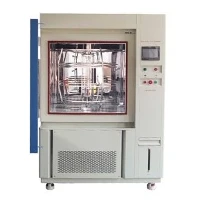
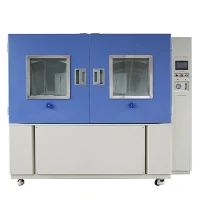
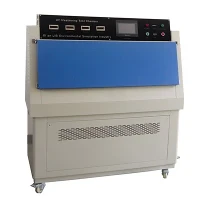

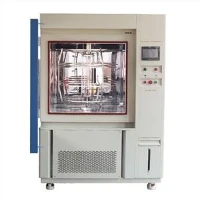
Aging ovens are indispensable tools in various industries, including electronics, automotive, and materials science, used for simulating long - term environmental exposure to accelerate the aging process of products. The control of aging temperature within these ovens is a critical factor that significantly impacts product properties. In this blog, as an aging oven supplier, I will delve into how aging temperature affects product properties and why it matters in different applications.
Understanding the Basics of Aging Ovens
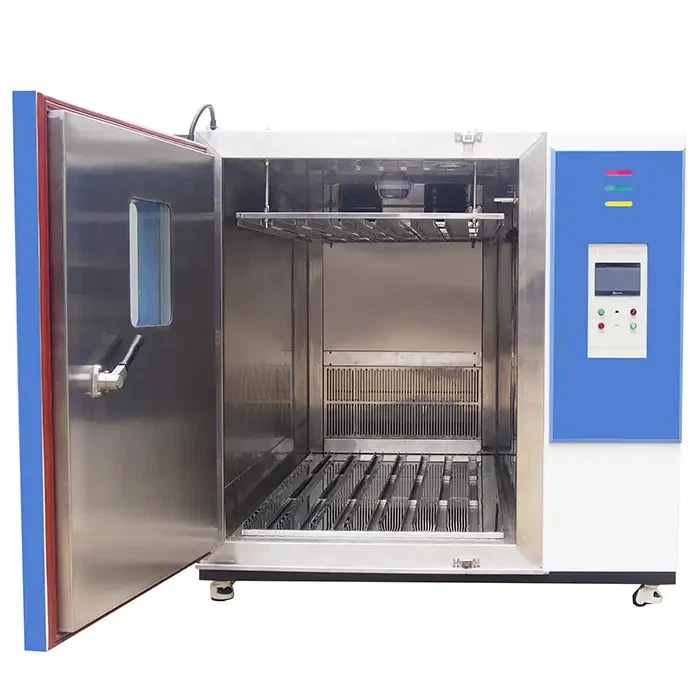
An aging oven is designed to subject products to specific environmental conditions, predominantly elevated temperatures, sometimes in combination with humidity and other factors. The purpose is to predict how products will behave over time, detect potential failures early, and improve overall product reliability. Industries rely on aging ovens to test components such as printed circuit boards (PCBs), semiconductors, and automotive parts to ensure they meet long - term performance requirements.
Impact of Aging Temperature on Physical Properties
Dimensional Stability
One of the most noticeable effects of aging temperature on product properties is its influence on dimensional stability. At elevated temperatures, materials tend to expand due to thermal expansion. Different materials have different coefficients of thermal expansion (CTE), which determine how much they will expand or contract with temperature changes. For instance, polymers typically have a higher CTE compared to metals.
When products are aged in an oven at high temperatures, excessive expansion can lead to warping, buckling, or a change in the shape of components. This is particularly critical in precision manufacturing, where even minor dimensional changes can affect the functionality of the product. For example, in the aerospace industry, precise dimensional specifications are crucial for components in aircraft engines. If these components are not dimensionally stable during aging tests, they may cause issues during actual operation.
Hardness and Brittleness
Aging temperature can also alter the hardness and brittleness of materials. In some cases, higher temperatures can cause materials to undergo a phase transformation or recrystallization. Metals, for example, may lose their original hardness over time when exposed to high - temperature aging due to microstructural changes. This can result in a material becoming more prone to deformation and wear.
On the other hand, polymers can become brittle when aged at high temperatures for extended periods. This brittleness can increase the likelihood of cracking and fracture, especially under mechanical stress. For electronic devices, brittle components are more likely to break during assembly or normal use, leading to product failure.
Impact of Aging Temperature on Chemical Properties
Oxidation and Corrosion
Elevated temperatures in an aging oven can accelerate oxidation and corrosion processes. Most metals react with oxygen in the air, forming metal oxides. The rate of oxidation increases exponentially with temperature according to the Arrhenius equation. For example, iron will rust more quickly at higher temperatures, leading to a degradation of mechanical properties and an increase in surface roughness.
In the electronics industry, oxidation of metal contacts can lead to increased electrical resistance, which can cause performance issues such as signal loss or overheating. Therefore, manufacturers often use anti - oxidation coatings or conduct aging tests in inert gas environments to mitigate these effects.
Chemical Degradation of Polymers
Polymers can also undergo chemical degradation at high aging temperatures. This can involve chain scission, cross - linking, or the release of small molecules. For example, polyvinyl chloride (PVC) can release hydrogen chloride gas when heated, which can further corrode adjacent components. Moreover, the cross - linking of polymers can change their mechanical properties, such as increasing stiffness and reducing elasticity.
Impact of Aging Temperature on Electrical Properties
Conductivity
In the case of electrical materials, aging temperature can have a profound impact on conductivity. For metals, the electrical conductivity generally decreases with increasing temperature due to increased lattice vibrations, which scatter the free electrons.
On the other hand, some semiconductor materials exhibit a more complex relationship between conductivity and temperature. At low to moderate temperatures, the conductivity of semiconductors typically increases with temperature as more electrons are excited into the conduction band. However, at very high temperatures, the semiconductor may experience thermal breakdown, leading to a significant loss of conductivity.
Dielectric Properties
For insulating materials used in electrical applications, aging temperature can affect dielectric properties. High temperatures can cause a decrease in dielectric strength, making the material more prone to electrical breakdown. Additionally, the dielectric constant and loss factor may also change with temperature, which can impact the performance of capacitors and other electrical components.

Choosing the Right Aging Temperature
Selecting the appropriate aging temperature is a balance between achieving accelerated aging and maintaining the relevance of the test results to real - world conditions. If the temperature is too low, the aging process may be too slow, resulting in long test times and delayed product development. Conversely, if the temperature is too high, the test may induce failures that would not occur under normal operating conditions, leading to false - positive results.
To determine the optimal aging temperature, manufacturers often refer to industry standards and guidelines. These standards take into account the typical operating conditions of the product and the expected service life. For example, in the automotive industry, components are often aged at temperatures that simulate extreme hot - weather conditions to ensure they can withstand long - term use in harsh environments.
Related Products for Comprehensive Testing
In addition to aging ovens, there are several other types of testing equipment that can complement the aging process and provide a more comprehensive understanding of product properties. You can explore these related products:
- Incubator: Ideal for applications that require precise temperature and humidity control for biological or chemical samples.
- UL 1703 Humidity Test Chamber: Specifically designed to meet the UL 1703 standard for testing photovoltaic modules in humid environments.
- Thermal Cycling Climate Chamber: Capable of simulating rapid temperature changes, which is useful for testing the durability of products under thermal stress.
- Low Pressure Chamber: Suitable for testing products that will operate at high altitudes or in low - pressure environments.
- 85°C 85%RH Constant Humidity Chamber: Provides a stable environment with high temperature and high humidity, commonly used for testing electronic components.
Conclusion
The aging temperature in an aging oven plays a crucial role in determining the properties of products. By understanding how temperature affects physical, chemical, and electrical properties, manufacturers can make informed decisions about product design, material selection, and quality control. As an aging oven supplier, we are committed to providing high - quality equipment and technical support to help our customers achieve accurate and reliable aging tests.
If you are interested in learning more about our aging ovens or other testing equipment, or if you have any questions regarding the impact of aging temperature on your products, please feel free to contact us for a detailed discussion. We look forward to partnering with you to improve your product quality and reliability.
References
- Callister, W. D., & Rethwisch, D. G. (2010). Materials Science and Engineering: An Introduction. Wiley.
- ASM Handbook Committee. (2004). ASM Handbook Volume 1: Properties and Selection: Irons, Steels, and High - Performance Alloys. ASM International.
- Van Krevelen, D. W., & Te Nijenhuis, K. (2009). Properties of Polymers: Their Correlation with Chemical Structure; Their Numerical Estimation and Prediction from Additive Group Contributions. Elsevier.