


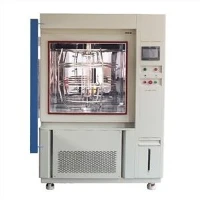
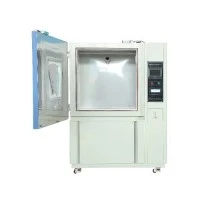
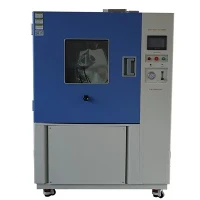
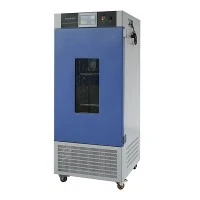
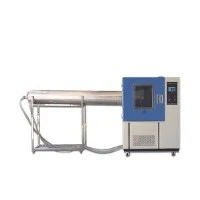
Can a temp chamber be used for stone product testing? That's a question I've been asked a bunch of times as a temp chamber supplier. And let me tell you, the answer is a big yes! In this blog, I'm gonna break down how temp chambers can be super useful for testing stone products, and why you might want to consider using one for your stone testing needs.
First off, what exactly is a temp chamber? Well, it's a piece of equipment that lets you control the temperature and sometimes humidity inside a sealed environment. There are different types out there, like the Programable Humidity Refrigerate Climatic Chamber, Temperature Climate Test Chamber, and Ultra Low Freezer. Each type has its own features and is designed for specific testing requirements.
Now, let's talk about why you'd want to test stone products in the first place. Stone is used in all sorts of applications, from building facades to kitchen countertops. It needs to be able to withstand different environmental conditions over time. For example, in cold climates, stones can be exposed to freezing temperatures and then thawing. This freeze - thaw cycle can cause the stone to crack or break if it's not of good quality. By using a temp chamber, you can simulate these freeze - thaw cycles in a controlled environment. You can set the chamber to go from a low temperature, say - 20°C, to a higher temperature like 20°C, and repeat this cycle multiple times. This helps you see how the stone will perform in real - world conditions.
Another important aspect is heat resistance. Stones used in outdoor settings or near heat sources, like fireplaces, need to be able to handle high temperatures. A temp chamber can be set to high temperatures, such as 100°C or even higher, depending on the type of stone and the application. You can monitor how the stone changes in terms of color, shape, and strength when exposed to these high temperatures. If the stone starts to crack or lose its integrity at a certain temperature, you know it might not be suitable for that particular use.
Humidity also plays a role in stone performance. High humidity can cause stones to absorb water, which can lead to staining, efflorescence (the white, powdery deposits that sometimes appear on the surface of stones), and even structural damage over time. With a humidity - controlled temp chamber, you can test how stones react to different levels of humidity. You can set the chamber to a high humidity level, like 90% relative humidity, and see if the stone shows any signs of damage or deterioration.
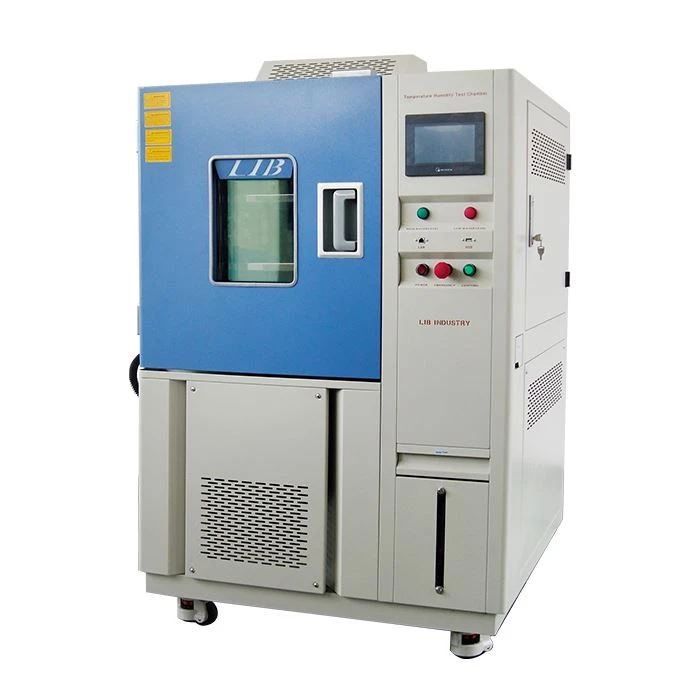

When it comes to the testing process, it's pretty straightforward. First, you need to prepare your stone samples. Make sure they're clean and of a consistent size and shape. Then, place the samples inside the temp chamber. Depending on the type of test you're conducting, set the temperature, humidity, and the duration of the test. For example, if you're doing a freeze - thaw test, you might set the chamber to go through 50 freeze - thaw cycles over a period of a few days.
During the test, you can monitor the samples regularly. Check for any visible changes, such as cracks, chips, or changes in color. You can also measure the strength of the stone before and after the test using specialized equipment. This data will give you a clear idea of how the stone is performing under the simulated conditions.
One of the advantages of using a temp chamber for stone testing is that it's repeatable. You can run the same test multiple times on different samples of the same stone or on different types of stones. This allows you to compare the performance of different stones and make more informed decisions when it comes to choosing the right stone for a project.
It's also cost - effective in the long run. By testing stones in a temp chamber before using them in a real - world application, you can avoid costly mistakes. For example, if you use a low - quality stone on a building facade and it starts to crack after a few years, you'll have to spend a lot of money on repairs and replacements. By investing in a temp chamber and doing proper testing upfront, you can save money and ensure the longevity of your projects.
Now, I know what you might be thinking. "This all sounds great, but how do I choose the right temp chamber for my stone testing needs?" Well, it depends on a few factors. First, consider the size of the stone samples you'll be testing. You need a chamber that's big enough to accommodate your samples comfortably. Second, think about the temperature and humidity ranges you'll need. If you're only testing for normal environmental conditions, a chamber with a moderate temperature and humidity range might be sufficient. But if you're doing extreme testing, like ultra - low temperatures or very high humidity, you'll need a more advanced chamber.
The programmability of the chamber is also important. You want to be able to easily set different temperature and humidity profiles for different tests. Some chambers come with pre - set programs, while others allow you to create your own custom programs. This gives you more flexibility in conducting different types of tests.
As a temp chamber supplier, I've seen firsthand how useful these chambers are for stone product testing. We've worked with many clients in the stone industry, from small - scale stone fabricators to large construction companies. They've all benefited from using our temp chambers to improve the quality of their products and ensure the success of their projects.
If you're in the stone industry and are looking for a reliable way to test your products, I highly recommend considering a temp chamber. Whether you're testing for freeze - thaw resistance, heat resistance, or humidity effects, a temp chamber can provide you with accurate and valuable data.
If you're interested in learning more about our temp chambers or want to discuss your specific testing requirements, feel free to reach out. We're here to help you find the right solution for your stone testing needs.
References
- ASTM International. (2019). Standard Test Methods for Freezing and Thawing Resistance of Concrete. ASTM C666/C666M - 19.
- International Building Code. (2018). Building Code Requirements for Structural Concrete (ACI 318 - 14) and Commentary.