




Can a UV chamber be used for curing UV - sensitive materials?
Hey there! As a UV chamber supplier, I get this question a lot. And the short answer is yes, a UV chamber can absolutely be used for curing UV - sensitive materials. Let's dive deeper into this topic and see how it all works.
First things first, what are UV - sensitive materials? These are materials that undergo a chemical change when exposed to ultraviolet (UV) light. Common examples include UV - curable adhesives, coatings, inks, and resins. When these materials absorb UV light, they experience a process called photopolymerization, which causes them to harden or cure rapidly.
So, how does a UV chamber fit into this picture? Well, a UV chamber is designed to create a controlled environment where UV - sensitive materials can be exposed to a specific amount and intensity of UV light. This controlled exposure ensures that the curing process is uniform and consistent, which is crucial for achieving high - quality results.
One of the key advantages of using a UV chamber for curing is speed. Unlike traditional curing methods that rely on heat or air drying, which can take hours or even days, UV curing can be completed in a matter of seconds or minutes. This means increased productivity and faster turnaround times for your manufacturing processes.
Another benefit is the quality of the cured material. Since the curing process is carefully controlled in a UV chamber, you can expect a more uniform and durable finish. The UV light activates the photoinitiators in the UV - sensitive materials, which triggers a chain reaction that results in a strong, cross - linked polymer structure. This makes the cured material more resistant to scratches, abrasion, and chemicals.
Now, let's talk about the different types of UV chambers available. There are several factors to consider when choosing a UV chamber for curing UV - sensitive materials, such as the size of the chamber, the intensity and wavelength of the UV light, and the type of curing process you need.
For small - scale applications or laboratory use, a benchtop UV chamber might be the way to go. These compact chambers are easy to set up and operate, and they can be a cost - effective solution for curing small parts or samples. On the other hand, if you have large - scale production requirements, a larger industrial UV chamber might be necessary. These chambers are designed to handle high - volume production and can be customized to meet your specific needs.
When it comes to the UV light source, there are two main types: mercury vapor lamps and LED UV lamps. Mercury vapor lamps have been around for a long time and are known for their high - intensity UV output. However, they also have some drawbacks, such as high energy consumption, short lifespan, and the need for regular maintenance. LED UV lamps, on the other hand, are a more recent innovation and offer several advantages. They are more energy - efficient, have a longer lifespan, and can be easily controlled to emit a specific wavelength of UV light.


In addition to curing, UV chambers can also be used for other applications, such as UV Accelerated Weathering Testing For Cables. This type of testing is important for evaluating the durability and performance of materials that will be exposed to sunlight and other environmental factors over time. By simulating the effects of long - term UV exposure in a controlled environment, you can identify potential issues and make improvements to your products before they are released to the market.
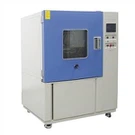
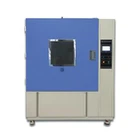
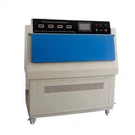
If you're in the market for a UV chamber for curing or other applications, you might want to check out our UV Testing Chamber and Environmental UV Aging Test Chamber. These chambers are designed to provide accurate and reliable results, and they come with a range of features and options to meet your specific requirements.
So, to sum it up, a UV chamber is a great tool for curing UV - sensitive materials. It offers fast, efficient, and high - quality curing, as well as the ability to perform other important tests. If you're interested in learning more about our UV chambers or have any questions, don't hesitate to reach out. We're here to help you find the right solution for your needs. Whether you're a small business looking to improve your production processes or a large corporation in need of a custom - designed UV chamber, we've got you covered. Let's have a chat and see how we can work together to take your business to the next level.
References
- "UV Curing Technology: Principles and Applications" by John W. Baur
- "Handbook of Photopolymer Science and Technology" edited by Satoshi Kobayashi