


As a vacuum oven supplier deeply entrenched in the industry, I often encounter diverse inquiries regarding the applicability of our vacuum ovens across various fields. One frequently asked question is whether a vacuum oven can be used for drying textiles. In this blog, I'll delve into the technical aspects, advantages, and practical considerations of using a vacuum oven for textile drying.
The Science Behind Vacuum Oven Drying
At the heart of the vacuum oven's operation is the principle of reducing the pressure within the chamber. Under normal atmospheric conditions, water boils at 100°C. However, when the pressure is reduced, as in a vacuum environment, the boiling point of water decreases significantly. For instance, at a pressure of around 1 kPa, water boils at approximately 7°C. This means that in a vacuum oven, water can be evaporated from textiles at much lower temperatures compared to conventional drying methods.

Lower drying temperatures are particularly beneficial for textiles. Many fabrics, especially those made from natural fibers like wool, silk, or delicate synthetics, can be damaged by high temperatures. High heat can cause shrinkage, color fading, and loss of fabric integrity. By using a vacuum oven, we can avoid these issues and ensure that the textiles retain their original quality, texture, and color.
Advantages of Using a Vacuum Oven for Textile Drying
Energy Efficiency
One of the most significant advantages of vacuum oven drying is its energy efficiency. Since the drying process occurs at lower temperatures, less energy is required to heat the oven. Additionally, the reduced pressure in the vacuum chamber allows for faster evaporation of water, which means shorter drying times. Shorter drying times translate to lower energy consumption over the long run. This not only reduces the operating costs for textile manufacturers but also aligns with the growing trend towards sustainable and eco-friendly manufacturing processes.
Uniform Drying
Vacuum ovens provide uniform drying across the entire textile sample. The reduced pressure ensures that the water vapor is evenly distributed within the chamber, and the gentle heat transfer mechanism prevents hot spots from forming. This results in consistent drying throughout the fabric, eliminating the risk of uneven drying that can lead to wrinkles, shrinkage, or other quality issues. Whether you're drying a small piece of fabric or a large batch, a vacuum oven can deliver consistent and high-quality results.
Preservation of Textile Properties
As mentioned earlier, the low-temperature drying process in a vacuum oven helps preserve the physical and chemical properties of textiles. Natural fibers, in particular, are sensitive to heat and moisture. Excessive heat can break down the fibers, leading to a loss of strength and durability. In a vacuum oven, the gentle drying process minimizes the damage to the fibers, ensuring that the textiles maintain their softness, elasticity, and strength. This is crucial for high-quality textile products, such as luxury clothing, bedding, and upholstery.
Removal of Impurities
In addition to drying, a vacuum oven can also be used to remove impurities from textiles. The reduced pressure in the chamber can help vaporize and remove volatile organic compounds (VOCs), residual chemicals, and odors from the fabric. This is especially important for textiles that are used in sensitive applications, such as medical textiles or baby clothing. By using a vacuum oven, manufacturers can ensure that their products meet the highest quality and safety standards.
Practical Considerations for Using a Vacuum Oven in Textile Drying
Compatibility with Different Textiles
Not all textiles are suitable for vacuum oven drying. Some fabrics, such as those with a high water content or delicate structures, may require special handling. For example, heavily dyed fabrics may experience color bleeding if the drying process is not carefully controlled. It's important to test small samples of the textile before subjecting a large batch to the vacuum oven. This will help you determine the optimal drying parameters, such as temperature, pressure, and drying time, for each type of fabric.
Loading Capacity
When using a vacuum oven for textile drying, it's important to consider the loading capacity of the oven. Overloading the oven can prevent proper air circulation and reduce the efficiency of the drying process. It's recommended to follow the manufacturer's guidelines regarding the maximum loading capacity of the oven. Additionally, the textiles should be arranged in a way that allows for even air flow within the chamber. This can be achieved by using racks or trays to separate the fabric layers and ensure that the water vapor can escape freely.
Maintenance and Cleaning
Regular maintenance and cleaning of the vacuum oven are essential to ensure its optimal performance and longevity. After each use, the oven should be cleaned to remove any residual textile fibers or debris. The vacuum pump and other components should also be inspected and serviced regularly to prevent breakdowns. It's important to follow the manufacturer's maintenance schedule and use the recommended cleaning agents and procedures to avoid damaging the oven.
Related Products for Textile Testing and Conditioning
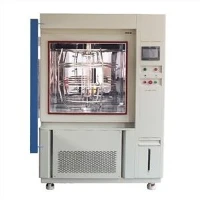
In addition to vacuum ovens, we also offer a range of other products that are relevant to the textile industry. For instance, our Cold Constant Temperature Humidity Chamber can be used to test the performance of textiles under different temperature and humidity conditions. This chamber provides a controlled environment for simulating real-world conditions, allowing manufacturers to evaluate the durability, comfort, and functionality of their textile products.
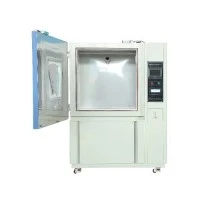
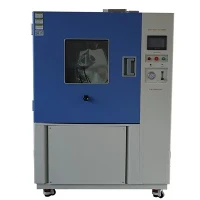
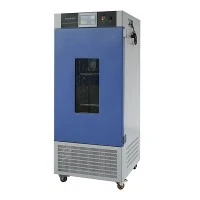
Our Temperature Humidity Conditioning Chamber and Temp Humidity Conditioning Chamber are also valuable tools for textile manufacturers. These chambers can be used to condition textiles before testing or production, ensuring that the fabric is in a stable and consistent state. By controlling the temperature and humidity, manufacturers can minimize the effects of environmental factors on the textile properties and improve the quality and consistency of their products.
Conclusion
In conclusion, a vacuum oven can be an excellent choice for drying textiles. Its ability to dry fabrics at low temperatures, provide uniform drying, preserve textile properties, and remove impurities makes it a valuable tool for textile manufacturers. However, it's important to consider the practical aspects, such as textile compatibility, loading capacity, and maintenance, to ensure the best results.
If you're in the textile industry and are looking for a reliable and efficient solution for drying your products, I encourage you to consider our vacuum ovens. Our team of experts is available to provide you with more information, answer your questions, and help you choose the right equipment for your specific needs. Contact us today to start a discussion about how our vacuum ovens can enhance your textile drying process and improve the quality of your products.
References
- Smith, J. (2019). Textile Drying Technologies: A Review. Journal of Textile Science and Engineering, 9(3), 1-10.
- Johnson, A. (2020). The Impact of Vacuum Drying on Textile Properties. International Journal of Textile Research, 15(2), 23-35.
- Brown, C. (2018). Energy-Efficient Drying Methods for the Textile Industry. Energy and Environment in Textiles, 22(4), 45-56.