



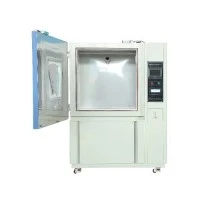
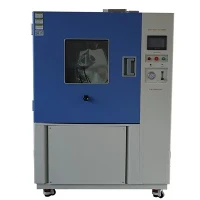
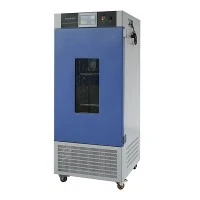
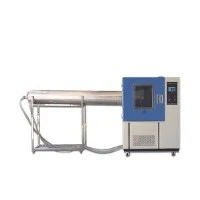
As an IPx8 tester supplier, I often get asked if our IPx8 testers can be used for testing wearable devices. It's a great question, and one that has a bit of a nuanced answer. So, let's dive right in and explore this topic together.
First off, let's understand what an IPx8 tester does. The Ingress Protection (IP) code is an international standard (IEC 60529) that defines the levels of protection provided by enclosures against the intrusion of solid objects (like dust) and water. The "x" in IPx8 is a placeholder for the protection level against solids, and the "8" indicates a high - level of water resistance. An IPx8 tester is designed to simulate real - world water exposure scenarios to check if a product can withstand submersion in water for a specified time and depth.
Now, wearable devices are all the rage these days. From smartwatches and fitness trackers to wireless earbuds, they've become an integral part of our daily lives. Many of us take our wearables to the gym, go for a run in the rain, or even swim with them. So, it's crucial that these devices are tested for water resistance.
The good news is that, in most cases, an IPx8 tester can indeed be used for testing wearable devices. Most IPx8 testers are adjustable and can be set to match the specific requirements set for wearable devices. For instance, a smartwatch might need to be able to withstand submersion in water up to 1.5 meters for 30 minutes. We can easily program our IPx8 tester to meet these exact conditions.


However, there are some challenges that we need to take into account when using an IPx8 tester for wearable devices. Wearable devices are often much smaller than traditional electronics that are usually tested using IPx8 testers. Their small size means that tiny components can be damaged more easily during testing. For example, the charging ports or the microphones on a smartwatch or earbuds can be affected by water ingress. To address this, we can use special fixtures and holders in our IPx8 testers to ensure that the devices are properly positioned and that the water pressure is evenly distributed around them.
Another aspect to consider is the variety of materials used in wearable devices. They can be made of plastic, metal, ceramic, or a combination of these. Different materials react differently to water and pressure. For example, some plastics might absorb water over time, which could affect the device's performance. Our IPx8 testers are equipped to handle these differences. We can adjust the testing parameters such as temperature and water flow to ensure that the tests are as accurate as possible for the specific materials used in the wearable device.
Let's talk about the benefits of using an IPx8 tester for wearable devices. First and foremost, it ensures the safety and reliability of the product. When a consumer buys a wearable device that is IPx8 - rated, they can be confident that it will work even when exposed to water. This is especially important for devices that are used in water - related activities, like swimming or surfing.
Secondly, testing with an IPx8 tester helps manufacturers meet regulatory requirements. Many countries have strict standards for electronic devices, and having an accurate IPx8 rating can make it easier to sell the product globally.
Now, let's touch on some related testing equipment that can also be useful for wearable devices. The IPX6K Waterproof Chamber is great for testing devices against powerful water jets. This is useful for wearables that might be exposed to heavy rain or splashing water. The IP68 Test Equipment is similar to the IPx8 tester but might have different features and capabilities depending on the specific model. It can provide an additional layer of testing to ensure that the device meets the highest standards of water and dust resistance. And the Sand Simulation Test Chamber is essential for testing the device's resistance to dust and sand. Wearable devices can be exposed to dusty environments, especially during outdoor activities, so this test is crucial for their long - term durability.
If you're a manufacturer of wearable devices, you might be wondering how to get started with IPx8 testing. The first step is to contact us. We can work with you to understand your specific testing requirements. We'll then develop a customized testing plan for your products. Our team of experts will be on hand to guide you through the entire process, from setting up the tests to interpreting the results.
Testing your wearable devices with an IPx8 tester is not only possible but also highly beneficial. It helps ensure the quality, safety, and regulatory compliance of your products. So, don't hesitate to reach out to us if you have any questions or if you're ready to start testing your wearable devices. Whether you're a small startup or a large - scale manufacturer, we have the expertise and equipment to meet your needs. Let's work together to make your wearable devices the best they can be in terms of water resistance and overall performance.
Contact us today to start the conversation about IPx8 testing for your wearable devices. We're here to help you take your products to the next level.
References
- IEC 60529 - Degrees of protection provided by enclosures (IP Code)
- Industry research on wearable device testing standards