



If you've ever wondered why a pair of sneakers that looked brand new when you bought them starts to fade after just a few months of wear and exposure to sunlight, you're not alone. For my team at Brown, we spend our days talking to shoe manufacturers, material scientists, and quality control managers who ask the same question: How exactly do we test if a shoe material will hold its color over time? The answer boils down to a piece of equipment that's become indispensable in our industry: the fadeometer.
A fadeometer, sometimes called a light fastness tester, is not some mysterious, one-size-fits-all tool. It's a precision device designed to simulate the environmental conditions that cause fading, yellowing, or degradation in shoe materials, fabrics, leathers, and adhesives. Unlike waiting months or even years for a pair of shoes to fade naturally in the sun, a fadeometer compresses that timeline into days or weeks, giving manufacturers reliable data to improve their products before they hit store shelves.
Let me break down how this works, especially when it comes to shoe materials, and why our team's line of accelerated weathering equipment has become a go-to for brands around the world.
What Causes Shoe Materials to Fade First?
Before diving into the fadeometer/light fastness tester 's process, it helps to understand what's triggering that color loss. Shoe materials are exposed to a lot during their lifecycle: direct sunlight (UV rays), artificial indoor lighting, rain, heat, and even the chemicals in detergents or skin oils. For leather, synthetic meshes, rubber, or even the pigments used in shoe soles, the main culprit is UV radiation. Unlike visible light, which we can see, UV rays are high-energy and break down the chemical bonds in dyes, pigments, and polymer structures. Over time, this breakdown causes the color to wash out, and the material itself can become brittle or cracked.
That's why natural testing (hanging shoes outside for a year) is outdated-it's slow, inconsistent, and doesn't replicate all the exact conditions a shoe might face on a store shelf or a consumer's closet. A fadeometer solves that by creating a controlled, accelerated environment that mimics the most damaging factors for shoe materials.
How a Fadeometer Works: The Core Components for Shoe Materials
Our fadeometers are built with shoe materials in mind, which means we don't just use a generic UV lamp-we calibrate the light and exposure to match real-world conditions. Here's the step-by-step process of a Fadeometer Weathering test Chamber for shoe materials:
Sample Preparation: Matching Real Shoe Materials
The first step is to take small, uniform samples of the exact materials used in a shoe: a patch of the mesh used for the upper, a piece of the leather from the heel, a section of the rubber sole, or even a swatch of the decorative print on the side. It's critical that these samples are identical to what goes into production-no tweaking colors or skipping layers. Even the stitching thread, which can fade differently than the upper material, is often included in the test.
At this stage, manufacturers will also prepare control samples: materials with a known light fastness rating that have already been tested. These act as a benchmark to compare their own samples against, so they can tell if their new design is better or worse than previous versions.
Setting the Test Parameters: Tailored to Shoe Lifecycle
This is where a lot of people get confused-what light do we use, and how long do we run the test? For shoe materials, the most common setup uses either UV radiation or xenon arc light, depending on the intended use case.
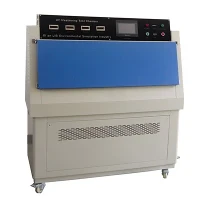
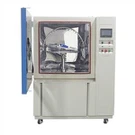
UV radiation is ideal for testing short-term exposure, like shoes sitting on a store shelf under fluorescent lights or a few weeks of direct sun. Our UV Apparatus is designed to emit the exact range of UV rays that damage shoe dyes, without the extra infrared heat that can distort results. For longer-term testing (like shoes that spend months outdoors or are used in sports), a xenon arc lamp is better because it replicates the full spectrum of sunlight, including visible light and heat. That's why our Xenon Arc Weathering Light Fastness Tester is a top choice for outdoor shoe brands that want to test durability in real sunlight conditions.
|
|
|
| Xenon Arc Weathering Light Fastness Tester | UV Apparatus |
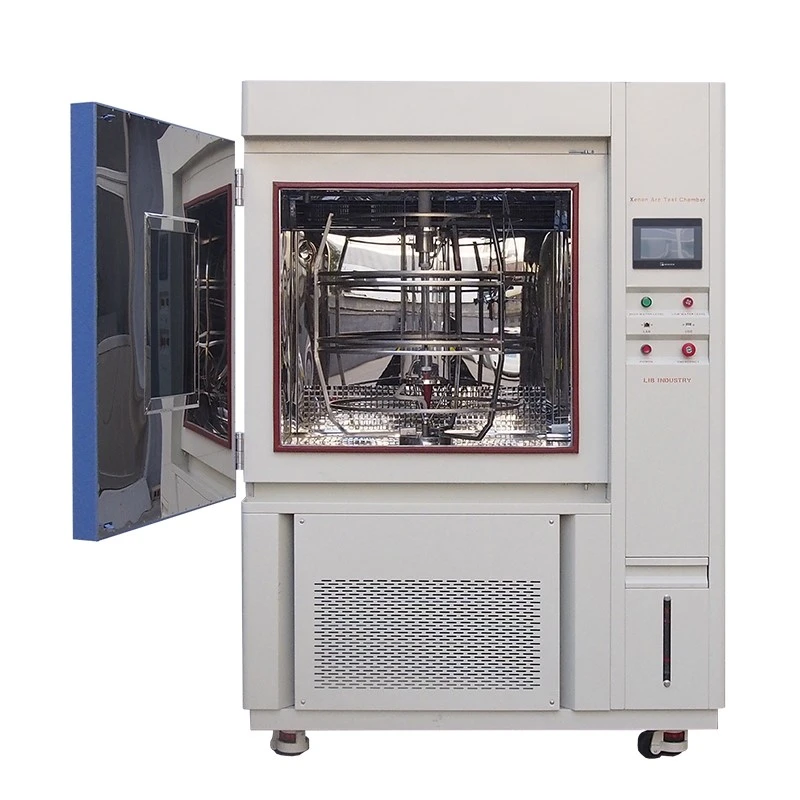
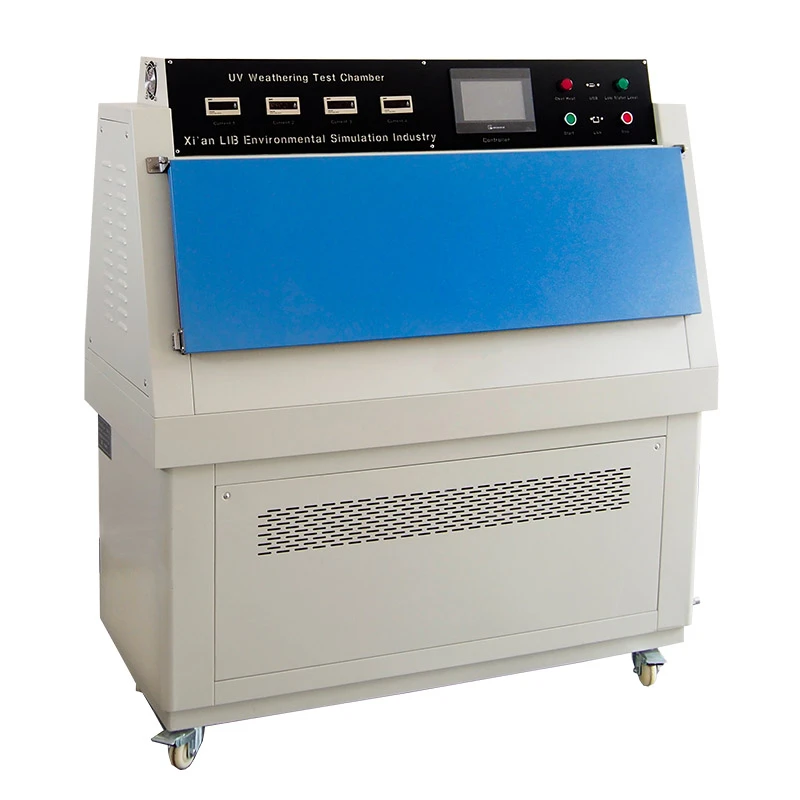
We also adjust the exposure time and intensity. A standard test for shoe materials might run for 200 to 500 hours-equivalent to about 2 to 5 years of natural sun exposure, depending on the region. We can also add humidity cycles to simulate rain or sweat, which is a big factor for athletic shoes made for running or training.
Running the Test: Controlled, Consistent Exposure
Once the samples are loaded into the fadeometer chamber, the machine runs non-stop (or in cycles, if humidity is involved) with precise monitoring. Sensors track the light intensity, temperature, and humidity to make sure every test is identical-no guesswork, no inconsistent lighting. This is why an accelerated aging test chamber isn't just a box with a light; it's a calibrated system that delivers repeatable results.
During the test, the fadeometer measures color change at regular intervals-every 20, 50, or 100 hours. Color change is quantified using a Delta E value, a standard scale that rates how much a sample's color has shifted from its original state. A Delta E of less than 2 is barely visible to the human eye, while anything above 5 is noticeable to consumers. For shoe manufacturers, a Delta E under 3 is often the goal to ensure the product stays looking new for its intended lifecycle.
Post-Test Analysis: Translating Data to Action
After the test ends, the samples are compared to the original controls and to the benchmarks set by the brand. If a mesh upper has a Delta E of 6, that means it will fade noticeably after just a few months of sun exposure-so the manufacturer can adjust the dye formula, add a protective coating, or switch to a more lightfast pigment. If a rubber sole is still looking new after 500 hours, they can feel confident it will hold up for longer.
Why Our Fadeometers Stand Out for Shoe Material Testing
Over the years, we've worked with dozens of shoe brands, from small eco-friendly startups to major athletic companies, and we've tailored our equipment to the unique needs of the shoe industry. Here's what makes our line up different from generic light fastness test equipment:
- Material-Specific Calibration: We don't just sell a one-size-fits-all tester. Our engineers can adjust settings to match the needs of leather, synthetic fabrics, rubber, even specialty materials like knit uppers or recycled fabrics. For example, recycled materials often have different dye stability, so we can tweak the UV intensity to test their durability accurately.
- Customizable Test Cycles: Shoe materials aren't just exposed to sun-they're exposed to sweat, detergent, and varying temperatures. Our chambers can cycle between dry and humid conditions, and even simulate artificial lighting from retail stores, which is a common cause of fading for shoes stored in closets for years.
- Reliable Data for Regulatory Standards: Many shoe brands need to meet international standards, like ISO 105-B02 for light fastness or AATCC 16 for weather resistance. Our UV Aging Tester and xenon arc models are calibrated to meet these standards, so manufacturers can use the test results to certify their products without extra work.
Common Mistakes to Avoid When Testing Shoe Materials
From our experience, there are a few mistakes that shoe brands make when testing fading that lead to inaccurate results. Let me share these, because they're easy to fix:
Testing Only One Material in Isolation: A shoe is made of multiple materials that interact. For example, the adhesive between the upper and sole might yellow, even if the upper itself is fine. We recommend testing all materials together, or at least checking adjacent materials after the test to catch hidden issues.
Ignoring Heat: UV light isn't the only factor-heat accelerates chemical breakdown too. A fadeometer that only emits light, not heat, will give misleading results. Our equipment includes precise temperature control, so you can test materials at the exact temperature they'll face in real use.
Not Using Appropriate Controls: If you don't have a control sample with a known light fastness rating, you can't tell if your new material is better or worse. Always include a standard control that's been tested before to benchmark your results.
Ready to Test Your Shoe Materials?
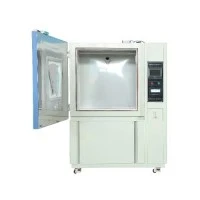
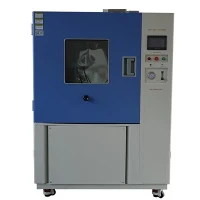
If you're a shoe manufacturer, material supplier, or quality control manager looking to ensure your products don't fade before their time, our team is here to help. We can walk you through the best equipment for your needs-whether you need a compact tabletop fadeometer for small labs or a large [Accelerated Aging Test Chamber] for high-volume testing. We also offer calibration services, so your tests stay accurate, and technical support to help you set up the right parameters for your specific materials.
Don't wait for consumers to tell you your shoes are fading-test it before you produce. Reach out to our team to learn more about how our light fastness test equipment can streamline your quality control process and help you deliver products that stay looking new for longer.
Need a fadeometer for shoe upper, sole, leather or adhesive testing?
Brown provides light fastness and accelerated weathering solutions for shoe brands, material suppliers and quality control labs worldwide. Our portfolio includes Xenon Arc Weathering Light Fastness Tester, UV Apparatus, UV Aging Tester, and Accelerated Aging Test Chamber. We help you choose the right equipment, standards and parameters for your materials. Contact LIB Industry today to discuss your testing requirements and request a customized quotation.