


Is the IPX3 test required for products in the food industry?
In the dynamic and highly regulated food industry, ensuring product safety and quality is of utmost importance. One aspect that often gets overlooked is the potential impact of water exposure on food products and the equipment used in their production, storage, and distribution. This is where the IPX3 test comes into play. As an IPX3 test supplier, I have witnessed firsthand the significance of this test in safeguarding the integrity of food - related products.
Understanding the IPX3 Test
The IPX3 test is part of the Ingress Protection (IP) rating system, which classifies the degree of protection provided by an enclosure against the intrusion of solid objects and water. The IP code consists of two digits; the first digit represents protection against solids, and the second digit indicates protection against water. In the case of IPX3, the 'X' means that there is no specific protection rating for solids, and the '3' indicates protection against spraying water. Specifically, the IPX3 test involves subjecting the product to water sprayed at an angle between 0° and 60° from the vertical at a rate of 5 ± 1 liters per minute for at least 10 minutes.

Why the Food Industry Needs IPX3 Testing
Product Safety
Food products are often exposed to various levels of moisture during their lifecycle. For example, in a food processing plant, equipment may come into contact with water during cleaning processes. If the equipment is not adequately protected against water ingress, it can lead to electrical malfunctions, corrosion, and the growth of harmful microorganisms. These issues can directly contaminate the food products, posing a serious threat to consumer health. By conducting the IPX3 test on food processing equipment such as mixers, conveyors, and packaging machines, manufacturers can ensure that these devices can withstand normal water - spraying conditions without compromising their functionality and safety.
Equipment Durability
The food industry operates in harsh environments where equipment is frequently exposed to water, cleaning agents, and high - humidity conditions. Without proper water protection, the lifespan of equipment can be significantly reduced. Corrosion of metal parts, damage to electrical components, and degradation of seals can all lead to costly repairs and replacements. The IPX3 test helps identify products that are durable enough to withstand water exposure, reducing maintenance costs and downtime in the long run.
Regulatory Compliance
Many countries and international organizations have strict regulations regarding food safety and hygiene. While there may not be a direct mandate for IPX3 testing in all food - related regulations, ensuring that equipment is protected against water ingress is often an implicit requirement. By voluntarily subjecting their products to IPX3 testing, food manufacturers can demonstrate their commitment to meeting high - quality standards and compliance with relevant regulations.
IPX3 Testing Equipment for the Food Industry
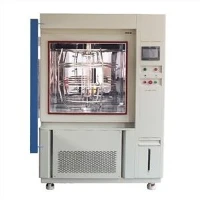
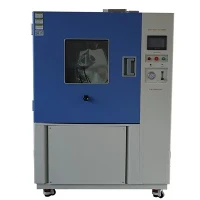
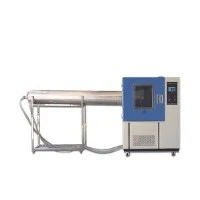
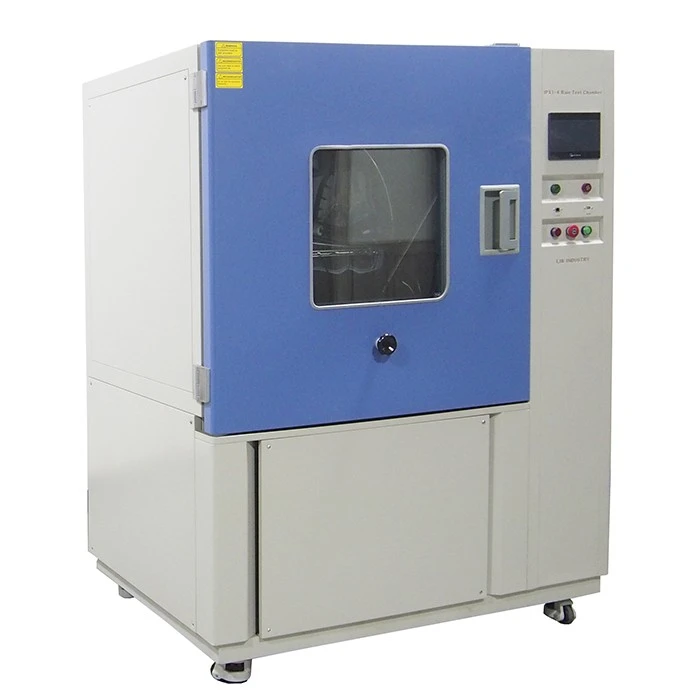
As an IPX3 test supplier, I offer a range of testing equipment tailored to the specific needs of the food industry. One of the key pieces of equipment is the Leak Test Chamber. This chamber is designed to simulate the IPX3 test conditions accurately. It allows for precise control of the water - spraying angle, flow rate, and duration, ensuring reliable and repeatable test results.
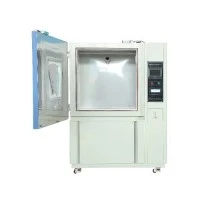
Another important piece of equipment is the IPX3 Rain Test Equipment. This equipment is specifically designed to replicate the rain - like conditions of the IPX3 test. It can be used to test a variety of food - related products, from small packaging materials to large - scale processing equipment.
In some cases, food products or equipment may need to be tested for more severe water exposure. For such scenarios, we also offer the IPX7 Diving Test Chamber. Although the IPX7 test is more stringent than the IPX3 test, it can provide additional assurance of a product's water - resistance capabilities.
Case Studies in the Food Industry
Let's take a look at some real - world examples of how IPX3 testing has benefited the food industry. A large - scale food processing company was experiencing frequent breakdowns in their conveyor belts. After conducting an IPX3 test on the conveyor belt motors, it was discovered that the existing motors were not adequately protected against water ingress. The company replaced the motors with IPX3 - compliant models, and the frequency of breakdowns decreased significantly. This not only saved the company money on repairs but also improved overall production efficiency.
In another case, a food packaging manufacturer was facing issues with the integrity of their packaging machines. Water was seeping into the control panels of the machines, causing electrical failures. By subjecting the machines to IPX3 testing and making necessary modifications to improve water protection, the manufacturer was able to ensure the reliable operation of the machines and maintain the quality of their packaging.
Challenges in IPX3 Testing for the Food Industry
While IPX3 testing offers many benefits, there are also some challenges that need to be addressed. One of the main challenges is the cost of testing. For small and medium - sized food businesses, investing in IPX3 testing equipment or outsourcing the testing can be a significant financial burden. However, it is important to view this as a long - term investment in product safety and quality.
Another challenge is the complexity of testing some types of food products and equipment. For example, irregularly shaped or large - scale equipment may require customized testing setups. As an IPX3 test supplier, we work closely with our clients to develop tailored testing solutions that meet their specific needs.
Conclusion
In conclusion, the IPX3 test is highly relevant and beneficial for products in the food industry. It plays a crucial role in ensuring product safety, equipment durability, and regulatory compliance. As an IPX3 test supplier, I am committed to providing high - quality testing equipment and services to the food industry. If you are a food manufacturer or processor looking to enhance the water - resistance of your products and equipment, I encourage you to consider IPX3 testing. By taking proactive steps to protect your products from water ingress, you can safeguard the health of your consumers, reduce costs, and improve the overall efficiency of your operations.
If you are interested in learning more about our IPX3 testing equipment or services, or if you have any questions regarding IPX3 testing for your food - related products, please feel free to contact us for a detailed discussion and to start the procurement process. We look forward to working with you to ensure the highest standards of quality and safety in the food industry.
References
- International Electrotechnical Commission (IEC). IEC 60529: Degrees of protection provided by enclosures (IP Code).
- Food and Drug Administration (FDA). Regulations on food safety and hygiene.
- Various industry reports on food processing equipment reliability and maintenance.