


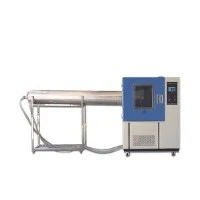
Aging tests for textiles are crucial processes in the textile industry. These tests simulate the effects of long - term use, environmental exposure, and various stress factors on textile materials. As an aging test supplier, we are well - versed in different aging test methods for textiles, which can help manufacturers ensure the quality, durability, and performance of their products.
1. Natural Aging Test
The natural aging test is the most straightforward method. It involves exposing textile samples to natural environmental conditions over an extended period. Textiles are placed outdoors, where they are subject to sunlight, rain, wind, and temperature variations.
Sunlight, particularly ultraviolet (UV) radiation, is one of the most significant factors in natural aging. UV rays can break down the chemical bonds in textile fibers, leading to color fading, loss of strength, and changes in the fabric's structure. For example, cotton fabrics may become brittle and lose their tensile strength after prolonged exposure to sunlight.
Rain and humidity also play important roles. Moisture can cause the growth of mold and mildew on textiles, which not only affects the appearance but also weakens the fibers. Additionally, repeated wet - dry cycles can lead to shrinkage and distortion of the fabric.
The advantage of the natural aging test is that it provides a real - world representation of how textiles will perform over time. However, it has some limitations. The test duration is long, sometimes taking months or even years to observe significant changes. Also, the results can be affected by geographical location, seasonal variations, and unpredictable weather conditions.
2. Artificial Aging Tests
2.1. UV Radiation Aging Test
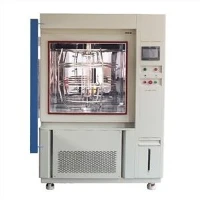
To overcome the limitations of natural aging, artificial aging tests are often used. The UV radiation aging test is a widely adopted method. In this test, textile samples are placed in a Shelf Life Test Chamber equipped with UV lamps. These lamps emit specific wavelengths of UV light to simulate the effects of sunlight.
The intensity and duration of UV exposure can be precisely controlled, allowing for accelerated aging. Different types of UV lamps, such as UVA and UVB lamps, can be used depending on the type of textile and the expected end - use environment. For example, outdoor textiles are more likely to be exposed to a combination of UVA and UVB radiation, so a test chamber with both types of lamps may be used.
The UV radiation aging test can quickly induce color fading, loss of strength, and changes in the surface properties of textiles. By analyzing the samples after the test, manufacturers can predict how the textiles will perform in the real world and make necessary improvements to the product formulation or manufacturing process.
2.2. Temperature and Humidity Aging Test
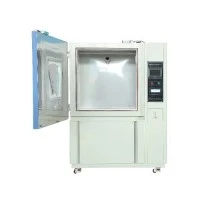
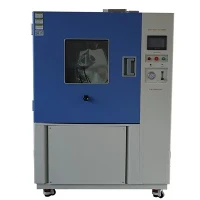
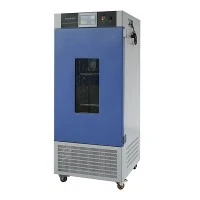
Temperature and humidity are two other important environmental factors that affect textile aging. The Dry Heat And Cold Climatic Test Chamber is used to simulate extreme temperature conditions, while the Humidity Temperature Stability Chamber can control both temperature and humidity levels.
In a dry heat test, textile samples are exposed to high temperatures (e.g., 60 - 100°C) for a certain period. High temperatures can cause the fibers to shrink, become brittle, and lose their elasticity. On the other hand, cold tests at low temperatures (e.g., - 20 - 0°C) can make the textiles stiff and prone to cracking.
When combined with humidity control, the test becomes more realistic. High humidity can accelerate chemical reactions in the fibers, such as hydrolysis, which can lead to a reduction in the fiber's molecular weight and strength. By subjecting the textiles to different temperature - humidity cycles, manufacturers can evaluate the fabric's resistance to environmental stress.
2.3. Mechanical Aging Test
Textiles in real - world use are also subjected to mechanical stress, such as friction, abrasion, and stretching. The mechanical aging test is designed to simulate these conditions.


Abrasion tests are commonly used to evaluate the wear resistance of textiles. In an abrasion test, a textile sample is rubbed against an abrasive material under a specific pressure and for a certain number of cycles. The amount of material loss, changes in appearance, and reduction in strength are measured to assess the fabric's abrasion resistance.
Stretching tests are used to evaluate the elasticity and durability of textiles under tension. Textile samples are stretched to a certain percentage of their original length and then released. Repeated stretching - releasing cycles can simulate the stress that textiles experience during use, such as in clothing when the body moves.
3. Chemical Aging Test
Textiles may also be exposed to various chemicals in their lifetime, such as detergents, bleaches, and industrial pollutants. The chemical aging test is used to evaluate the textile's resistance to chemical attack.
In this test, textile samples are immersed in solutions containing different chemicals or exposed to chemical vapors. The concentration, temperature, and exposure time of the chemicals can be controlled. For example, a textile used in the medical field may be tested for its resistance to disinfectants, while a textile used in industrial settings may be tested for its resistance to solvents.
The chemical aging test can help manufacturers select the appropriate fibers, dyes, and finishes for their products to ensure long - term chemical stability.
4. Importance of Aging Tests for Textiles
Aging tests are essential for several reasons. Firstly, they help manufacturers ensure the quality and durability of their products. By predicting how textiles will age, manufacturers can make improvements to the product design, material selection, and manufacturing process.
Secondly, aging tests are important for product certification and compliance. Many international standards and regulations require textile products to pass certain aging tests before they can be sold in the market. For example, outdoor textiles need to meet specific UV resistance standards to ensure their long - term performance.
Finally, aging tests can enhance customer satisfaction. Textiles that have undergone rigorous aging tests are more likely to maintain their appearance and performance over time, reducing the likelihood of customer complaints and returns.
5. Contact for Aging Test Services
As an experienced aging test supplier, we offer a comprehensive range of aging test services for textiles. Our state - of - the - art test chambers, such as the Shelf Life Test Chamber, Dry Heat And Cold Climatic Test Chamber, and Humidity Temperature Stability Chamber, are equipped with advanced control systems to ensure accurate and reliable test results.
If you are a textile manufacturer or a researcher in the textile field and are interested in our aging test services, please contact us for more information. We are committed to providing high - quality, customized aging test solutions to meet your specific needs.
References
- ASTM International. "Standard Test Methods for Evaluating the Resistance of Textiles to Accelerated Weathering." ASTM D4355 - 18.
- ISO. "Textiles - Tests for Colour Fastness - Part B02: Colour Fastness to Artificial Light: Xenon Arc Lamp Test." ISO 105 - B02:2014.
- AATCC. "AATCC Test Method 16 - 2019: Colorfastness to Light."