


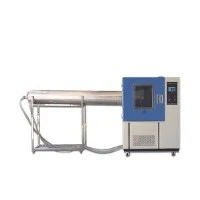
Hey there! As a supplier of IPx8 testers, I'm super stoked to break down the working principle of these nifty gadgets for you.
First off, let's get into what an IPx8 tester is all about. IP stands for Ingress Protection, and the "x8" part tells us the specific level of protection it's designed to test. The IP rating system is used to define the degree of protection provided by an enclosure against the intrusion of solid objects (like dust) and liquids (like water). The "x" in IPx8 means that there's no specific protection rating for solid objects in this case, and the "8" indicates a high level of protection against water immersion under certain conditions.
So, how does an IPx8 tester actually work? Well, it all boils down to simulating real - world conditions where a device might be exposed to water. The main goal is to check if the device can withstand continuous immersion in water at a specified depth and for a certain period of time without any water ingress that could damage its internal components.
The Basic Components of an IPx8 Tester
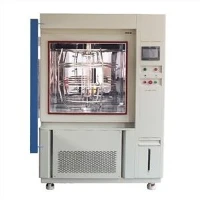
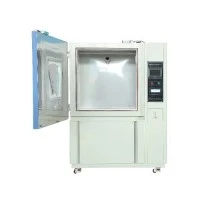
Most IPx8 testers have a few key components. There's a test chamber, which is basically a big tank where the device to be tested is placed. This chamber is made of a sturdy material that can hold water and withstand the pressure at the testing depth. It's usually sealed properly to prevent any water leakage during the test.
Then, there's a water supply system. This is responsible for filling the test chamber with the right amount of water. It can be connected to a water source, like a tap or a large water reservoir. The water supply system also has controls to adjust the water level in the chamber accurately.


Another important part is the pressure control system. Since IPx8 testing often involves immersing the device at a specific depth, the pressure control system is used to create the right amount of pressure inside the test chamber. This is crucial because the pressure at different depths can vary, and we need to replicate the real - world conditions as closely as possible.
The Testing Process
Let's walk through the step - by - step process of using an IPx8 tester.
Step 1: Preparation
First, we need to prepare the device for testing. This means making sure it's clean and dry, and all its functions are working properly before the test. We also need to record some initial data about the device, like its weight, appearance, and any specific features that might be affected by water immersion.
Step 2: Placement in the Test Chamber
Once the device is ready, we carefully place it inside the test chamber. The chamber is usually equipped with a holder or a platform to keep the device in place during the test. We make sure the device is positioned correctly and won't move around during the immersion.
Step 3: Filling the Chamber
After the device is in place, we start filling the test chamber with water using the water supply system. We fill it up to the specified level, which is determined by the testing requirements. This might be a few meters deep, depending on the standards we're following.
Step 4: Applying Pressure
Once the chamber is filled with water, the pressure control system kicks in. It starts to increase the pressure inside the chamber to match the pressure at the specified depth. This is done gradually to avoid any sudden changes that could damage the device.
Step 5: Immersion Time
The device then remains immersed in the water for a set period of time. This can range from a few hours to several days, depending on the product and the testing standards. During this time, we monitor the device closely to see if there are any signs of water ingress, such as water droplets inside the device or changes in its electrical performance.
Step 6: Post - test Inspection
After the immersion time is up, we drain the water from the test chamber and carefully remove the device. We then conduct a thorough inspection. We check for any visible signs of water damage, like rust, corrosion, or malfunctioning components. We might also test the device's functionality again to make sure it still works as expected.
Why IPx8 Testing is Important
IPx8 testing is crucial for a wide range of products. For example, in the consumer electronics industry, smartphones, smartwatches, and other wearable devices are often tested to IPx8 standards. This is because people use these devices in various environments, and they might accidentally drop them in water or expose them to rain. By ensuring that these devices meet IPx8 standards, manufacturers can give consumers the confidence that their products can withstand water exposure without breaking down.
In the automotive industry, IPx8 testing is used for components like sensors, cameras, and control units. These parts are often located in areas of the vehicle that are exposed to water, such as the undercarriage or near the wheels. Testing them to IPx8 standards helps to ensure their reliability and longevity.
Other Related IP Testing Equipment
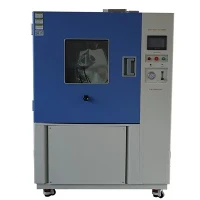
If you're also interested in other levels of IP testing, we've got some great options. For IPX5 and IPX6 testing, which involves testing against powerful water jets, you can check out our IPX5 IPX6 Rain Jet Test Chamber. This chamber is designed to simulate the impact of high - pressure water jets on your device.
For IPX3 and IPX4 testing, which is about testing against water spray, our IPX3 X4 Rain Spray Test Chamber is the perfect choice. It can create different patterns of water spray to accurately test your product's resistance.
And if you need a more general IPX5 and IPX6 water test, our IPX5 IPX6 Water Test Chamber is available. It's designed to provide a comprehensive test for products against water exposure at these levels.
Conclusion
In a nutshell, an IPx8 tester is a vital piece of equipment for ensuring the water - resistance of various products. By simulating real - world water immersion conditions, it helps manufacturers to produce high - quality, reliable products.
If you're in the market for an IPx8 tester or any of our other IP testing equipment, we'd love to have a chat with you. Whether you're a small - scale manufacturer or a large corporation, we can provide you with the right testing solutions to meet your needs. Reach out to us to start the procurement process and let's work together to make your products more reliable!
References
- International Electrotechnical Commission (IEC) standards on Ingress Protection (IP) ratings.
- Industry best practices and guidelines for IP testing in consumer electronics and automotive sectors.