


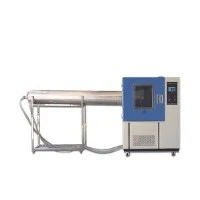
As a supplier of cold rooms, I understand the critical role that temperature controllers play in maintaining the optimal conditions within these environments. A well - functioning temperature controller ensures that the cold room operates efficiently, preserves the quality of stored products, and reduces energy consumption. In this blog, I'll delve into the different types of temperature controllers available for cold rooms.
Mechanical Temperature Controllers
Mechanical temperature controllers are the most traditional type. They operate based on the principle of thermal expansion. A common example is a bimetallic strip, which consists of two different metals bonded together. When the temperature changes, the two metals expand or contract at different rates, causing the strip to bend. This bending motion is then used to actuate a switch, turning the cooling system on or off.
One of the main advantages of mechanical temperature controllers is their simplicity. They are relatively inexpensive, easy to install, and require minimal maintenance. They are also very reliable in stable environments. However, they have some limitations. Their accuracy is often limited, typically within a range of ± 2 - 3°C. They are also less suitable for applications that require precise temperature control, such as storing sensitive pharmaceutical products or high - end food items.
Electronic Temperature Controllers
Electronic temperature controllers have become increasingly popular in recent years. They use sensors, such as thermistors or resistance temperature detectors (RTDs), to measure the temperature accurately. These sensors convert the temperature into an electrical signal, which is then processed by an electronic circuit.
The main advantage of electronic temperature controllers is their high accuracy. They can achieve temperature control within ± 0.1 - 0.5°C, making them ideal for applications where precise temperature regulation is crucial. They also offer more flexibility in terms of programming. You can set different temperature setpoints, temperature ranges, and even time - based schedules. For example, you can program the controller to maintain a lower temperature during the night when energy costs are lower.
Another benefit is the ability to integrate with other systems. Electronic temperature controllers can be connected to a building management system (BMS) or a remote monitoring system. This allows you to monitor and control the temperature of the cold room from a central location, receive alerts in case of temperature deviations, and analyze historical temperature data.
However, electronic temperature controllers are generally more expensive than mechanical ones. They also require a power source and may be more complex to install and troubleshoot.
Programmable Logic Controllers (PLCs)
PLCs are a more advanced type of temperature controller. They are essentially industrial computers that can be programmed to control a wide range of processes, including temperature control in cold rooms. PLCs can handle multiple inputs and outputs, allowing them to control not only the temperature but also other parameters such as humidity, air circulation, and door access.
One of the key advantages of PLCs is their high level of customization. You can write complex control algorithms to meet the specific requirements of your cold room. For example, you can program the PLC to adjust the cooling rate based on the load in the cold room or to activate additional cooling units during peak usage times.


PLCs also offer excellent reliability and durability. They are designed to operate in harsh industrial environments and can withstand vibrations, temperature variations, and electrical noise. They are often used in large - scale cold room facilities, such as warehouses and distribution centers.
However, PLCs are the most expensive option among temperature controllers. They require specialized programming skills to set up and configure, and maintenance and troubleshooting may also require the expertise of a trained technician.
Wireless Temperature Controllers
Wireless temperature controllers are a relatively new addition to the market. They use wireless communication technologies, such as Wi - Fi or Bluetooth, to transmit temperature data and control signals. This eliminates the need for extensive wiring, making installation faster and more cost - effective.
Wireless temperature controllers offer the same level of accuracy as electronic temperature controllers. They also provide the convenience of remote monitoring and control. You can use a smartphone app or a web - based interface to check the temperature of the cold room, adjust the setpoints, and receive alerts.
However, wireless temperature controllers are dependent on a stable wireless network. In areas with poor signal strength or interference, the performance of the controller may be affected. They also require periodic battery replacement or recharging if they are battery - powered.
Choosing the Right Temperature Controller for Your Cold Room
When choosing a temperature controller for your cold room, several factors need to be considered. First, you need to determine the required level of accuracy. If you are storing temperature - sensitive products, such as vaccines or fresh produce, a high - accuracy electronic temperature controller or a PLC may be necessary.
The size and complexity of the cold room also play a role. For small - scale cold rooms, a mechanical or basic electronic temperature controller may be sufficient. For larger facilities with multiple zones or complex control requirements, a PLC may be a better choice.
Cost is another important factor. You need to balance the initial purchase cost with the long - term benefits, such as energy savings and improved product quality. Additionally, consider the ease of installation, maintenance, and the availability of technical support.
As a cold room supplier, we offer a wide range of temperature controllers to meet the diverse needs of our customers. Whether you need a simple mechanical controller for a small cold room or a sophisticated PLC for a large - scale facility, we can provide you with the right solution.
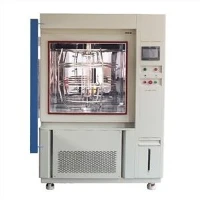
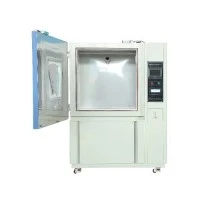
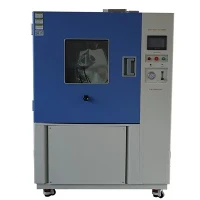
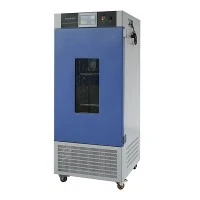
If you are interested in learning more about our temperature controllers or other cold room products, such as Drive In Environmental Test Chamber, Walk In Huimidity Chamber, and Reach-in Test Chambers, please feel free to contact us. We are more than happy to discuss your requirements and help you make an informed decision.
References
- ASHRAE Handbook - HVAC Systems and Equipment. American Society of Heating, Refrigerating and Air - Conditioning Engineers.
- Industrial Temperature Control Systems: Principles and Applications. McGraw - Hill Professional.
- Temperature Measurement and Control: A Practical Guide. Butterworth - Heinemann.