Textiles used in clothing, automotive interiors, outdoor fabrics, and industrial applications are constantly exposed to sunlight, heat, humidity, and repeated washing during their service life. Without reliable aging evaluation, fabrics may suffer from fading, loss of strength, cracking, or surface degradation after long-term use.
A Textile Aging Test Chamber provides a controlled laboratory environment to accelerate these natural aging processes. By simulating light radiation, temperature changes, humidity, and other environmental stresses, manufacturers can predict how fabrics will perform before entering the market.
This article explains how a Textile Aging Test Chamber works, which international standards it follows, how LIB Industry helps customers achieve accurate durability testing, and how to choose between textile aging testing and UV aging testing according to different material requirements.
How Does a Textile Aging Test Chamber Work?
Simulating Real Outdoor Aging Conditions According To International Standards
A Textile Aging Test Chamber is designed to reproduce the environmental factors that cause fabric deterioration during real-world use. The chamber combines xenon arc light exposure, temperature, humidity, and water spray cycles to accelerate fabric aging while maintaining stable and repeatable testing conditions.
For textile durability evaluation, LIB Industry chambers support widely recognized standards including ISO 105-B02 (Textiles - Tests for Colour Fastness - Colour Fastness to Artificial Light: Xenon Arc Fading Lamp Test), ISO 105-B04 (Colour Fastness to Artificial Weathering: Xenon Arc Fading Lamp Test), AATCC TM16.3 (Colorfastness to Light: Xenon-Arc), ASTM G151 (Exposure of Nonmetallic Materials), and ASTM G155 (Xenon Arc Lamp Exposure).
These standards define important testing parameters, including spectral distribution, irradiance level, black panel temperature, humidity conditions, and exposure cycles. Unlike fluorescent UV lamps that only reproduce part of sunlight, xenon arc lamps simulate the full solar spectrum from ultraviolet, visible light, to infrared radiation, providing a more realistic evaluation of textile fading, discoloration, and aging performance.
LIB Textile Aging Test Chambers use high-performance xenon arc lamps, precision irradiance sensors, and PID temperature control systems to maintain consistent exposure conditions, helping laboratories achieve accurate and comparable durability test results.
Xenon Radiation, Temperature, And Humidity Create Accelerated Aging Effects
The working principle of a Textile Aging Test Chamber is to accelerate natural fabric aging by exposing samples to controlled environmental stresses that simulate years of outdoor use.
The xenon arc light system reproduces the complete spectrum of natural sunlight, including UV radiation (approximately 295–400 nm), visible light, and infrared energy. This allows manufacturers to evaluate not only UV degradation but also visible-light-induced color fading, which is especially important for dyed fabrics and textile products.
During testing, the chamber controls critical environmental factors such as:
|
Irradiance: typically 35–150 W/m² Black Panel Temperature (BPT): 35–85℃ Chamber temperature: adjustable according to test requirements Relative humidity: controlled humidity cycles Water spray: simulating rainfall exposure |
The combination of xenon radiation, heat, moisture, and spray cycles accelerates common textile aging problems, including: Color fading Yellowing Fiber embrittlement Loss of tensile strength Surface cracking Appearance deterioration |
By creating these controlled conditions, the equipment can reveal potential durability issues within hundreds or thousands of laboratory hours instead of requiring years of natural outdoor exposure.
Testing Methods For Evaluating Fabric Durability
Different textile applications require different xenon aging test procedures. The most common method is continuous xenon arc exposure combined with temperature, humidity, and water spray cycles to simulate real outdoor weather conditions.
|
During testing, fabric specimens are mounted on rotating sample holders to ensure uniform exposure. The xenon lamp produces stable full-spectrum sunlight simulation, while sensors continuously monitor key parameters such as: Irradiance intensity Black panel temperature Chamber temperature Humidity level Spray cycle time |
A typical LIB Industry textile xenon aging test may operate under conditions such as:
Xenon arc lamp power: 4500 W Irradiance: 0.35–0.55 W/m² at 340 nm or according to standard requirements Black panel temperature: 60–65℃ Relative humidity: 40–70% RH (depending on test method) Water spray cycle: adjustable Exposure duration: 500–2000 hours |
After testing, engineers evaluate fabric performance changes, including color difference , gray scale rating for fading, tensile strength reduction, fiber damage, surface cracking, and overall appearance changes. These evaluation results help textile manufacturers identify material weaknesses, optimize dye formulations, select more durable fabrics, and verify whether textile products can maintain their appearance, strength, and performance during long-term outdoor exposure.
Suitable Industries for Textile Aging Testing
Textile Aging Test Chambers are widely used across industries where fabric reliability is important.
In the automotive industry, manufacturers test seat fabrics, roof materials, carpets, and interior textiles to ensure long-term resistance against sunlight and temperature changes.
In the clothing and textile industry, aging tests verify color fastness and durability of fabrics used in daily wear, sportswear, and outdoor products.
The building materials industry uses textile aging tests for outdoor fabrics, sunshade materials, and architectural textiles exposed to weather conditions.
Other applications include luggage, tents, military fabrics, packaging materials, and synthetic fiber products that require stable performance under harsh environments.
Popular Aging Test Chambers for Textile

Accurate Sunlight Simulation, Reliable Weathering Results, ASTM G155 Compliant Testing


Reproduce Real Climate Conditions, Enhance Product Reliability
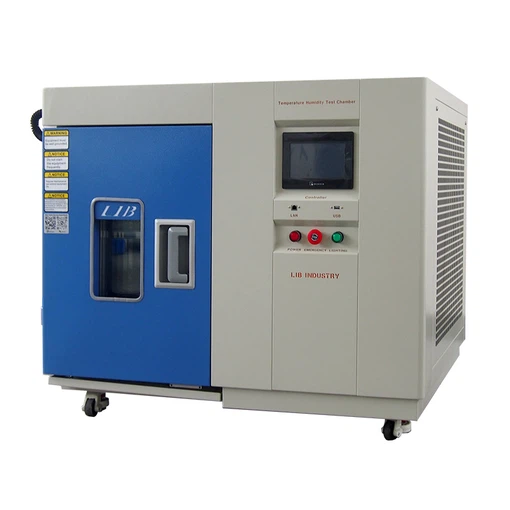

Controlled Temperature, Humidity & Salt Spray for Realistic Simulation, Highly Popular.
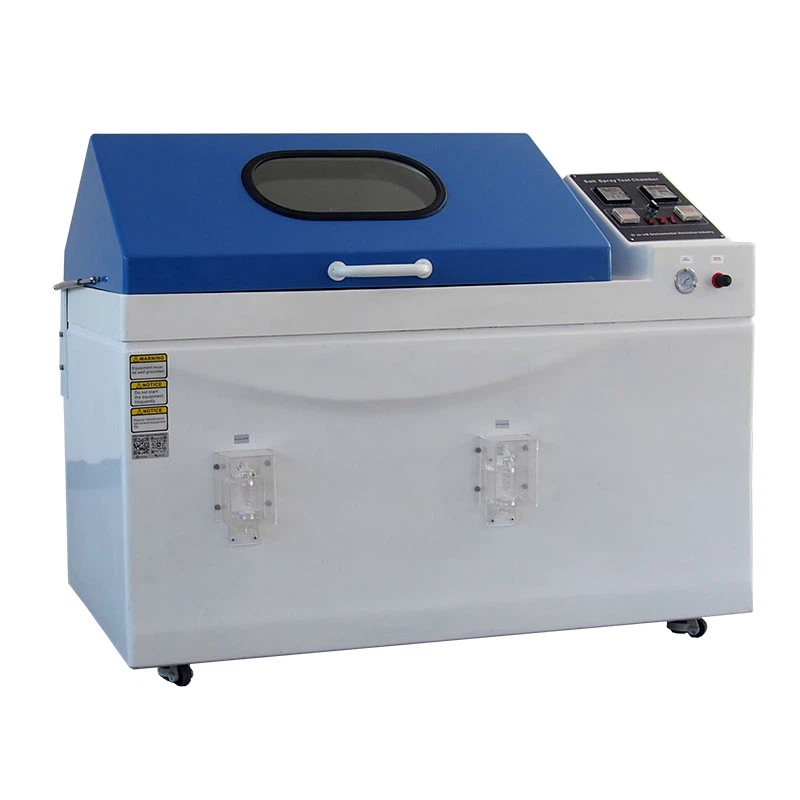
Temperature & Salt Spray Control Only, Precision Salt Spray Measurement, Standard Compliant.
LIB Industry Supports Vietnam Customers with Reliable Textile Aging Testing Solutions
During LIB Industry's global after-sales inspection service this year, the technical team visited customers in Vietnam and received positive feedback regarding the performance of LIB Industry Textile Aging Test Chambers.
The customer used LIB equipment to evaluate fabric durability, including color stability, light resistance, and long-term environmental performance. After professional operation training and testing verification, the customer highly appreciated the chamber's accuracy, stability, and user-friendly design.
The customer's satisfaction mainly came from several advantages:
Stable Light Source Performance
LIB chambers use high-quality xenon with stable spectral output. The optimized lamp arrangement ensures uniform exposure across samples, reducing test differences between specimens.
High Testing Accuracy
The advanced PID control system works with precision temperature and irradiance sensors to maintain stable test conditions. Temperature control accuracy can reach ±2℃, while irradiance deviation is controlled within ±5%, ensuring reliable test results.
Strong Safety Protection Design
LIB Textile Aging Test Chambers include multiple safety systems such as: Over-temperature protection , over-current protection, water shortage protection, earth leakage protection, and phase sequence protection.
The equipment complies with international safety requirements including CE certification, IEC electrical safety requirements, and CSA-related safety standards, providing safer operation in laboratories.
Flexible Customization Capability
Different textile products require different aging conditions. LIB provides customized specimen holders, test programs, lamp configurations, and exposure cycles according to customer requirements.
With accurate control, reliable safety features, and competitive cost performance, LIB helps global customers improve textile quality control efficiency.
Textile Aging Test Chamber vs UV Aging Test Chamber: How to Choose?
Although Textile Aging Test Chambers and UV Aging Test Chambers both use UV radiation to evaluate material durability, their testing purposes are different.
| Comparison |
|
|
|---|---|---|
| Main Purpose | Evaluate fabric durability, color fading, and textile performance | Evaluate general material UV resistance |
| Main Applications | Clothing, automotive fabrics, outdoor textiles, carpets | Plastics, coatings, rubber, building materials |
| Main Standards | ISO 105-B02, AATCC TM16.3, ASTM G154 | ASTM G151, ASTM G154, ISO 4892-3 |
| Light Source | xenon, textile light sources | UVA-340 or UVB-313 fluorescent lamps |
| Testing Focus | Color fastness, fiber strength, appearance changes | Surface degradation, cracking, aging resistance |
| Humidity Simulation | Important for fabric moisture effects | Optional depending on material |
| Sample Type | Fabric, textile products, coated textiles | Plastics, coatings, polymers |


Choose a Textile Aging Test Chamber when your goal is to evaluate fabric color retention, strength changes, and textile service life.
Choose a UV Aging Test Chamber when testing mainly focuses on plastic, coating, rubber, or other non-textile materials.
For laboratories handling multiple material types, LIB can provide customized solutions according to testing standards and application requirements.
FAQs on the Textile Aging Test Chamber
Q1: How long does textile aging testing take?
The testing duration depends on the material type and applicable standard. Many textile aging evaluations run between 500 and 2000 hours. Shorter laboratory tests can simulate long-term outdoor exposure by accelerating light, heat, and humidity effects.
Q2: What maintenance does the Textile Aging Test Chamber require?
Regular maintenance helps maintain testing accuracy. Users should check lamp performance, clean the chamber interior, verify water quality, and calibrate sensors regularly. LIB provides technical guidance, maintenance recommendations, and lifetime support to help customers keep equipment operating efficiently.
Q3: Can LIB customize the Textile Aging Test Chamber?
Yes. LIB Industry supports customized solutions including sample holder sizes, radiation intensity settings, humidity cycles, spray systems, and programming requirements. The chamber can be adapted for different textile standards, laboratory environments, and production testing needs.
Q4: How does LIB provide after-sales service and transportation support?
LIB Industry provides a complete global service system, including:
① 3-year equipment warranty
② Lifetime technical support
③ 24-hour English technical assistance
④ Spare parts supply within 7–15 days
⑤ Installation guidance and operation training
Before shipment, each chamber undergoes factory inspection and performance verification. LIB also provides secure packaging and professional transportation guidance to ensure the equipment arrives safely and operates normally after installation.
Contact LIB Industry to get a customized Textile Aging Test Chamber solution for accurate fabric durability evaluation and reliable long-term material testing.