Electronic products, automotive components, outdoor equipment, and military devices are often exposed to dusty environments during operation. Fine particles can enter small gaps, damage internal circuits, reduce product performance, and shorten service life. Therefore, manufacturers need reliable dust protection testing before products enter the market.
An IP Sand And Dust Test Chamber provides a controlled environment to simulate real dust exposure conditions and evaluate enclosure protection performance. This article explains how LIB IP Sand And Dust Test Chamber performs IP5X and IP6X tests, including IEC 60529 requirements, equipment working principles, maintenance methods, customer applications, and how to select the right dust testing solution.
IEC 60529 IP5X and IP6X Test Requirements for IP Sand And Dust Test Chamber
1. IP5X and IP6X Testing Requirements Based on IEC 60529
The IP (Ingress Protection) rating system defined by IEC 60529 evaluates how effectively an enclosure prevents the entry of solid foreign objects and water. For dust protection testing, the first digit represents the protection level against solid particles.
An IP5X test verifies that a product is protected against dust ingress. During the test, dust may enter the enclosure in a limited amount, but it must not affect the normal operation or safety of the equipment.
An IP6X test is the highest dust protection level. The enclosure must be completely dust-tight, meaning no visible dust penetration is allowed after testing.
LIB IP Sand And Dust Test Chamber complies with international standards including:
IEC 60529 – Degrees of protection provided by enclosures (IP Code)
ISO 20653 – Road vehicles protection against foreign objects, water, and access
IEC 60068-2-68 – Environmental testing for dust and sand exposure
ASTM standards
MIL-STD environmental testing requirements
The test uses standardized dust particles with:
| Parameter | Specification |
|---|---|
| Dust Material | Talcum powder or standardized dust |
| Nominal Wire Diameter | 50 μm |
| Mesh Sieve Gap Width | 75 μm |
| Dust Concentration | 2–4 kg/m³ |
| Temperature Range | Ambient to +50℃ |
| Blowing Time | 0–99H59M |
| Noise Level | ≤65 dBA |
The IP5X and IP6X dust test helps industries such as automotive, electronics, telecommunications, aerospace, and defense verify sealing performance and improve product reliability.
2. How Does an IP Sand And Dust Test Chamber Work?
An IP Sand And Dust Test Chamber reproduces dusty environmental conditions through a controlled dust circulation system.
During testing, the sample is placed inside the SUS304 stainless steel working chamber. The dust circulation pump sends dust particles into the chamber through the outlet system. A vertical airflow design ensures that dust remains evenly distributed around the test specimen.
The main working process includes:
Dust Preparation
A stainless-steel mesh sieve with a 75 μm gap prevents large particles or dust agglomeration from entering the circulation system.
Dust Circulation
The circulation pump continuously moves dust through the chamber, creating a uniform dust environment. The heating tube prevents dust from absorbing moisture and forming blocks.
Vacuum Testing for IP6X
For stricter IP6X testing, a vacuum system can create pressure differences inside the test sample. This simulates more challenging conditions where dust may be forced through sealing gaps.
Parameter Control
A PID programmable color touchscreen controller manages test time, airflow, and temperature. The controller supports up to 120 programs with 100 segments per program, allowing complex testing procedures.
The equipment structure is designed for stable long-term operation:
① SUS304 stainless steel inner chamber provides corrosion resistance.
② A3 steel exterior with protective coating improves mechanical durability.
③ LED lighting allows operators to clearly observe samples.
④ A viewing window with a dust-cleaning wiper maintains visibility during testing.
⑤ Electromagnetic door locking prevents accidental opening and improves operator safety.
3. IP Sand And Dust Test Chamber Maintenance Guide
Regular maintenance is essential to ensure stable chamber performance and reliable IP5X/IP6X testing results. Proper maintenance helps prevent dust accumulation, reduces equipment wear, and maintains testing accuracy over long-term operation.
During daily operation, operators should check the dust circulation condition, door sealing performance, fan or pump operation, and controller status to ensure that the chamber is functioning normally. Any unusual noise, abnormal airflow, or sealing issues should be inspected promptly to prevent potential testing errors.
Weekly maintenance should include cleaning residual dust inside the chamber, checking the condition of the mesh sieve, removing dust buildup from airflow channels, and inspecting the vacuum system and filters. These procedures help maintain consistent dust distribution and ensure the chamber continues to meet testing requirements.
Monthly maintenance focuses on verifying sensor accuracy, inspecting dust concentration levels, checking airflow uniformity, and examining the door seal condition. Regular inspections and adjustments help maintain reliable test results and extend the service life of the IP Sand And Dust Test Chamber.
The dust chamber should avoid testing explosive, highly corrosive, or flammable materials. Proper grounding is also required to prevent electrostatic hazards.
Popular environemntal Test Chambers
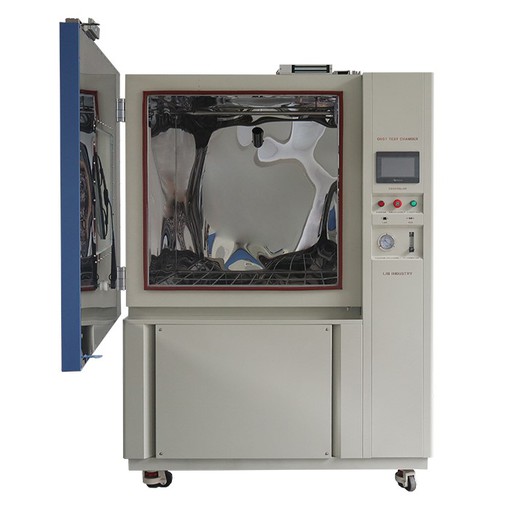
Reliable Dust Ingress Protection Testing, Accurate IP6X Sealing Performance Verification
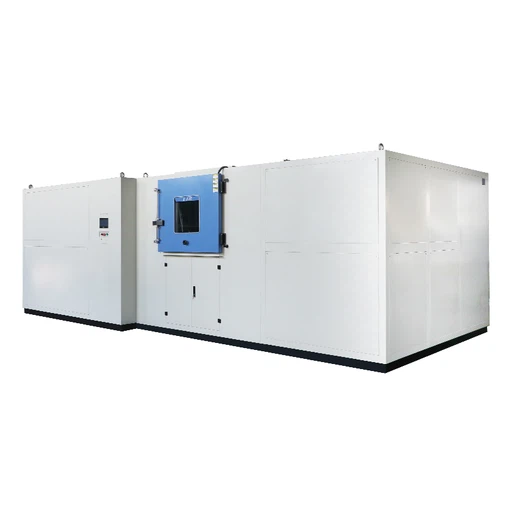
Military-Grade Environmental Reliability Testing, Simulates Extreme Desert Dust And Sand Conditions

High-Pressure Hot Water Protection Testing,
Advanced Waterproof And Dustproof Validation
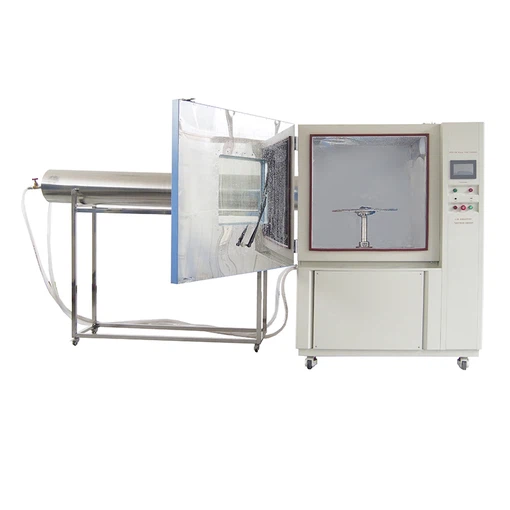
Reliable Water And Dust Protection Testing, IEC 60529 Compliant Ingress Protection Verification
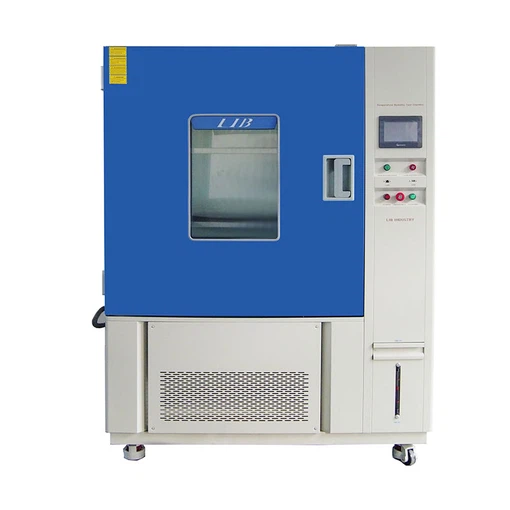
Accelerated Environmental Reliability Testing, Long-Term Product Durability Evaluation
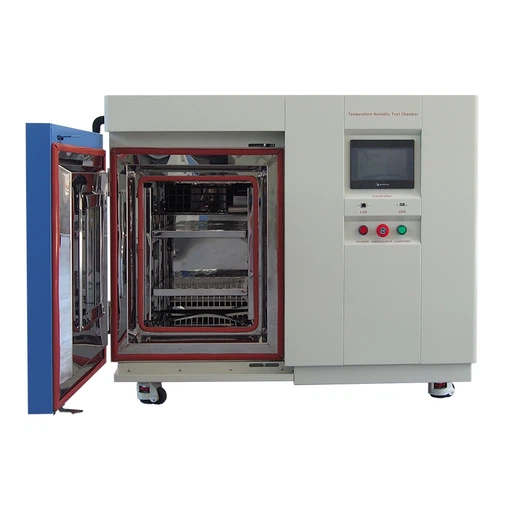
Space-Saving Laboratory Testing Solution, Precise Temperature And Humidity Control
Saudi Customer Achieved Reliable Product Testing with LIB IP Sand And Dust Test Chamber
A Saudi customer selected LIB IP Sand And Dust Test Chamber for product performance verification in harsh desert environments. The customer needed equipment capable of evaluating product sealing ability, dust resistance, and long-term reliability under high-dust conditions.
During testing, the chamber successfully simulated dusty environments according to IEC 60529 IP5X and IP6X requirements, helping the customer confirm whether their products could maintain stable operation after exposure to fine particles.
The customer was highly satisfied with several advantages of LIB equipment:
Accurate and Stable Testing Performance
The PID control system maintains stable test conditions, while the optimized airflow circulation ensures uniform dust distribution. This provides repeatable test results and reduces testing errors.
Energy and Water Saving Design
Compared with traditional testing solutions, LIB equipment focuses on efficient operation. The optimized circulation system reduces dust consumption and minimizes frequent replacement of testing materials, helping laboratories reduce operating costs.
High Safety Protection
LIB IP Sand And Dust Test Chamber includes multiple safety systems: over-current protection, earth leakage protection, phase sequence protection, over-temperature protection, electromagnetic safety door lock. These features improve equipment safety and protect both operators and test samples.
International Certification and Customization
LIB environmental test chambers are designed according to global requirements and support: CE safety requirements, IEC testing standards, CSA-related safety requirements. Different chamber sizes and configurations can also be customized according to customer testing needs. With reliable performance, competitive cost, and professional technical support, LIB provides customers with a practical solution for dust protection verification.
IP Sand And Dust Test Chamber vs MIL-STD-810 Sand And Dust Test Chamber: How to Choose?
Although both systems evaluate dust resistance, IP Sand And Dust Test Chambers and MIL-STD-810 Sand And Dust Test Chambers are designed for different applications.
| Comparison |
|
|
|---|---|---|
| Main Standard | IEC 60529, ISO 20653 | MIL-STD-810H |
| Main Purpose | Verify enclosure dust protection | Simulate military battlefield environments |
| Dust Test Level | IP5X, IP6X | Blowing dust and blowing sand |
| Dust Concentration | 2–4 kg/m³ | Around 10.7 ± 7 g/m³ |
| Air Speed | Controlled airflow | Dust: 1.5–8.9 m/s; Sand: 18–29 m/s |
| Application | Electronics, automotive parts, consumer products | Military equipment, aerospace, defense systems |
| Test Focus | Seal protection and dust ingress | Long-term durability under extreme conditions |


For automotive electronics, connectors, sensors, and consumer products, an IEC 60529 IP5X/IP6X chamber is usually sufficient.
For military vehicles, communication systems, and battlefield equipment, MIL-STD-810 testing is more suitable because it evaluates stronger wind-driven sand and dust impact.
Some automotive protection standards, such as ISO 20653, also include higher water protection requirements such as IPX6K, which tests resistance against powerful high-pressure water jets. Therefore, manufacturers should select equipment according to their required certification and application environment.
FAQs on the IP Sand And Dust Test Chamber
Q1: What Products Can Be Tested With An IP Sand And Dust Test Chamber?
The IP Sand And Dust Test Chamber is widely used for testing various products, including automotive electronic components, sensors, connectors, lighting equipment, outdoor devices, communication equipment, and military electronics. It verifies whether products can maintain normal performance and reliability after exposure to dust environments.
Q2: How Long Does Delivery Take After Ordering?
The standard delivery time is usually around 8–14 days, depending on the equipment model, configuration, and customization requirements. LIB follows professional production management and strict inspection procedures before shipment to ensure equipment quality and reliable performance.
Q3: Does LIB Provide Installation And Technical Support?
Yes. LIB provides comprehensive technical support, including installation guidance, operation training, remote technical assistance, maintenance suggestions, and long-term after-sales service. Customers can receive professional support throughout the entire equipment lifecycle.
Q4: Can The IP Sand And Dust Test Chamber Be Customized?
Yes. LIB supports customized solutions based on different laboratory requirements, including chamber size, sample holder design, vacuum system configuration, control functions, and special testing requirements. This helps customers select the most suitable equipment for their applications.
Q5: How Is The Equipment Transported?
LIB provides professional export packaging to protect the chamber during international transportation. The equipment can be shipped worldwide by sea, air, or other logistics methods according to customer requirements, ensuring safe and reliable delivery.
Choosing the right dust testing equipment is essential for improving product reliability and achieving international certification. LIB IP Sand And Dust Test Chamber provides accurate IP5X and IP6X testing, stable performance, safe operation, and flexible customization options for global industries.
Contact LIB Industry today for a professional IP Sand And Dust Test Chamber solution tailored to your testing requirements.