When products are exposed to sunlight, they face harsh UV radiation, high temperatures, moisture, and rainfall that can degrade materials over time. Ensuring product durability and performance under these conditions is critical for manufacturers. Traditional outdoor testing is slow, space-consuming, and subject to seasonal variations.
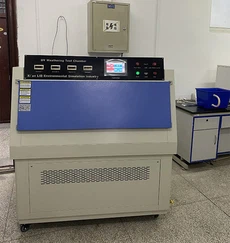
Australian Customer Praises LIB UV Aging Test Chamber
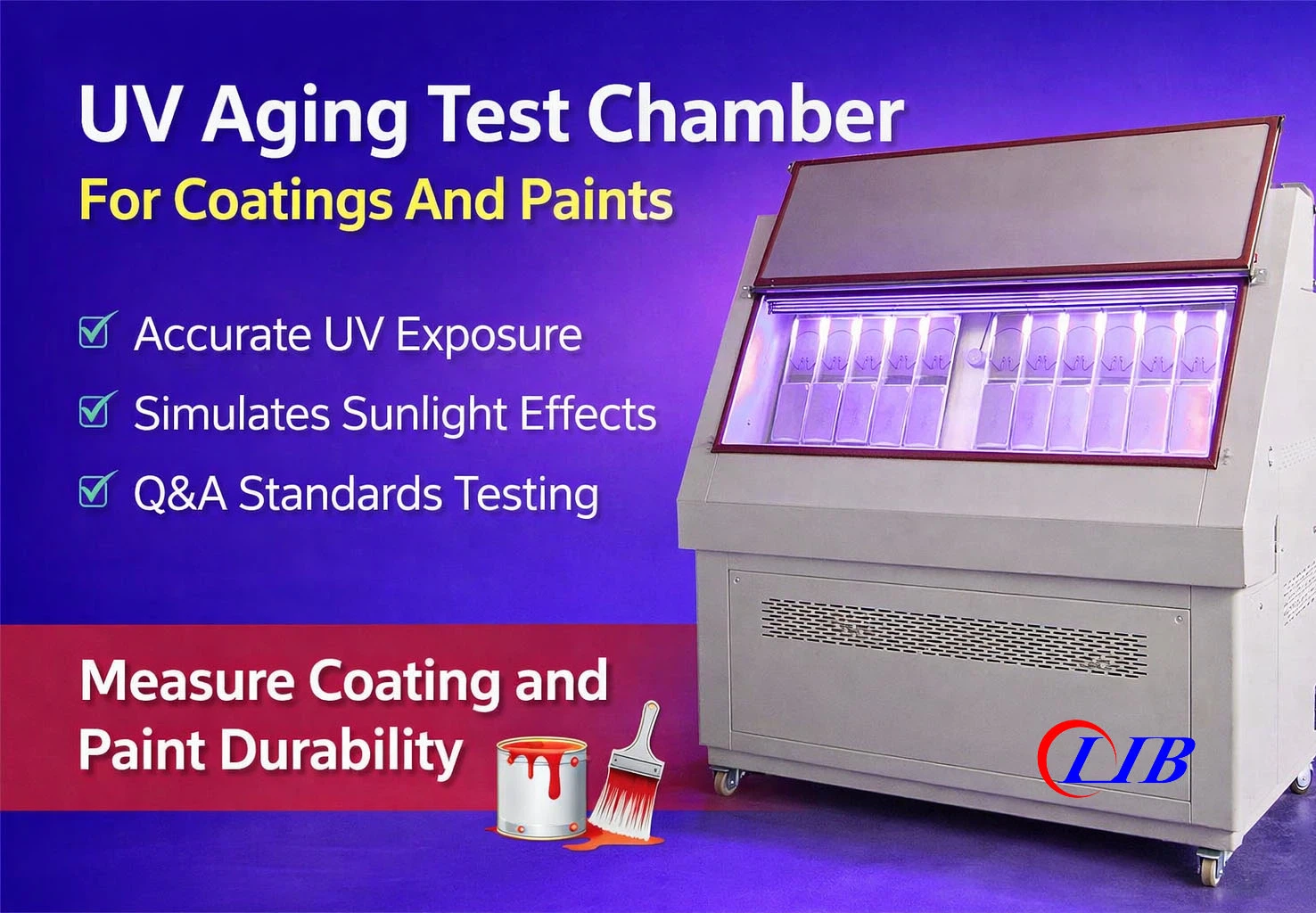
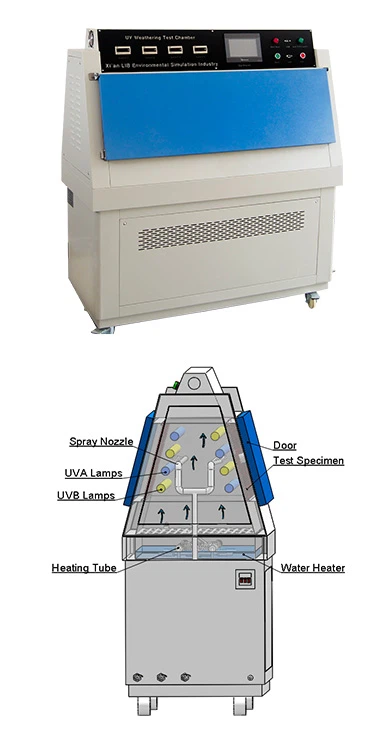
Our LIB UV aging test chamber brings the outdoors into the lab. Jonny, a customer from Australia, shared: "The chamber works perfectly fine now. Thank you for your kind support!" With precise UV lamps, automated rain simulation, and intelligent control of temperature, humidity, and UV irradiance, the chamber accelerates real-world aging while providing reliable, reproducible results.
Designed for coatings, paints, plastics, polymers, electronics, and solar panels, LIB chambers support ASTM G151 and ISO 4892 testing standards. By simulating UV, heat, moisture, and rain in controlled cycles, manufacturers can identify vulnerabilities and optimize materials before real-world deployment.
This article explains how LIB UV aging chambers bring real-world outdoor conditions into the lab, accelerating material aging tests and helping manufacturers ensure product durability and reliability.
How UV Exposure Simulates Real-World Aging
1. Accelerated UV Radiation Testing
UV exposure in LIB chambers simulates years of sunlight within hours. According to ASTM G151 and ISO 4892-1, 17 hours of controlled UV irradiation in the chamber equates to approximately one year of real-world outdoor exposure. LIB achieves this acceleration by using UVA-340, UVB-313, and UVB-351 QUV lamps that emit precise wavelengths of UV light concentrated between 290–400 nm, closely matching the solar spectrum relevant to material degradation. The high precision ensures reproducible, standardized results for materials like plastics, coatings, and composites.
2. Accurate Temperature Control
Materials outdoors are exposed not only to UV light but also to heat from solar radiation. LIB UV chambers use Black Panel Temperature (BPT) sensors to measure the combined heat from the chamber environment and UV lamps, replicating real outdoor heating conditions. BPT ensures that temperature-sensitive reactions in coatings, paints, and polymers are faithfully reproduced, improving the reliability of accelerated aging tests.
3. Stable UV Spectrum and Lamp Longevity
QUV lamps in LIB chambers are designed for up to 5,000 hours of operation, maintaining stable spectral power throughout the test. Stable UV irradiance prevents deviations that could skew aging results, ensures compliance with international standards such as ASTM G154, and reduces operational downtime by minimizing frequent lamp replacements. The UV irradiance radiometer monitors intensity in real time, feeding back to the intelligent control system to keep exposure consistent.
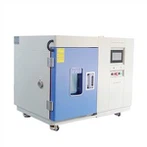
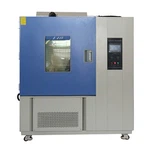
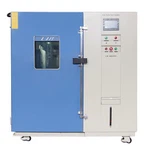
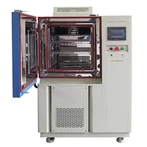
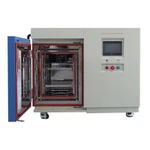
LIB Popular Environmental test Chambers
Applications and Testing Methods of UV Aging Chambers
Coatings and Paints
LIB UV chambers are widely used in evaluating weathering resistance of coatings and paints. Standards like ASTM D4329 and ISO 16474 define UV exposure, humidity, and temperature cycles. Tests can include color fading, gloss retention, and surface cracking, ensuring that paints and varnishes maintain durability under sunlight, heat, and moisture.
Plastics and Polymers
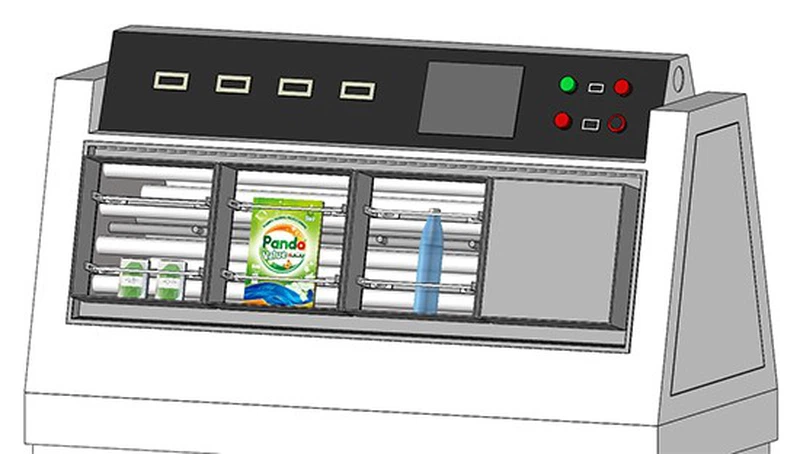
Plastic components in automotive, aerospace, and outdoor consumer goods require UV resistance. LIB chambers follow ASTM G154 and ISO 4892-2 procedures, simulating combined UV, moisture, and heat cycles. These tests detect embrittlement, discoloration, and surface degradation before real-world deployment.
UV Preconditioning Test Chamber for Solar Panels Testing
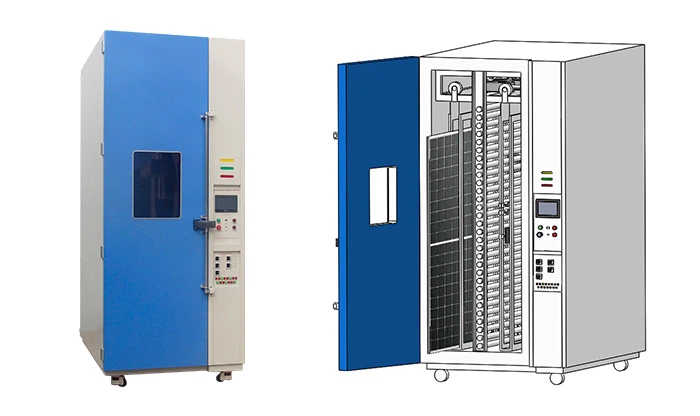
According to IEC 61215 and IEC 61730, solar panels must undergo UV preconditioning before further reliability tests. A UV preconditioning test chamber simulates prolonged sunlight exposure to evaluate potential degradation of module materials such as encapsulants and backsheets, ensuring photovoltaic modules meet durability and safety requirements.
Real-World Case: Coating Testing under ASTM G151 By LIB UV aging test chamber
ASTM G151 Coating Test Cycle in LIB aging test chamber
LIB's UV-SI-260 chamber allows laboratory testing that mirrors ASTM G151 procedures for coatings. For example, one typical cycle includes alternating UV exposure and condensation phases to simulate day-night environmental conditions.
UV Exposure
UVA-340 lamps irradiate samples at 0.76 W/m²/nm at 340 nm for 8 hours at 60°C black panel temperature.
Condensation Phase
Followed by 4 hours of 50°C condensation to simulate nighttime dew and humidity.
Cycle Repeat
These 12-hour cycles are repeated for the duration of the test until target exposure levels are reached, equivalent to months or years of outdoor exposure.
LIB Advantages in ASTM G151 Testing:
|
Model |
UV-SI-260 |
|
|
Internal Dimension (mm) |
450*1170*500 |
|
|
Overall Dimension (mm) |
680*1300*1500 |
|
|
Irradiation Source |
Fluorescent UV lamps (8) - 40 W |
|
|
Temperature Range |
Ambient ~ 90 ℃ ±2℃ |
|
|
Black Panel Temperature (BPT) |
35 ~ 80 ℃ |
|
|
Humidity Range |
≥95% RH |
|
|
Bandwidth |
290 ~ 400 nm |
|
|
Irradiance Control |
0.3~20 W/㎡ |
|
|
Distance of Specimen and lamp |
50 mm |
|
|
Heating Element |
Nichrome heater |
|
|
Controller |
Programmable color LCD touch screen controller |
|
|
Ethernet connection, PC Link,USB |
||
|
Water Supply System |
Automatic water supply, Water purification system |
|
|
Interior Material |
SUS304 stainless steel |
|
| Standards | ASTM G154, ASTM G15, ISO 4892, ASTM D4329, ISO 16474-3, IEC 61215, IEC 61730 | |
FAQs on the UV Aging Test Chamber
Q1: How is the UV chamber calibrated?
A: Temperature calibration uses a nine-point method; irradiance sensors are factory calibrated for accuracy.
Q2: How long simulates one year of real-world UV exposure?
A: Under ASTM G151 or ISO 4892-1, 17 hours of UV exposure approximates one year outdoors.
Q3: What's the difference between UV and xenon lamps?
A: UV lamps (UVA/B) focus on 290–400 nm UV spectrum for accelerated aging (ASTM G154). Xenon lamps cover UV and visible spectra, simulating full sunlight per ASTM G155.
Q4: What are LIB UV equipment advantages
A: 1) Designed to ASTM G154, ensuring compliance; 2) UV lamps for realistic simulation; 3) Three-year warranty for long-term reliability.
Q5: Why are the UV chamber's casters different from TH models?
A: UV chambers use standard casters suitable for lighter equipment; TH uses heavy-duty FUMA casters for mobility based on weight and operational needs.
Q6: Can the UV chamber simulate simultaneous UV, rain, and high humidity conditions?
A: Yes. LIB UV chambers feature an automated water spray system with 10 nozzles and precise humidity control (up to 95 % RH), allowing realistic simulation of sun, rain, and moisture simultaneously for more accurate weathering tests.
Powerful Solutions For Aging tests
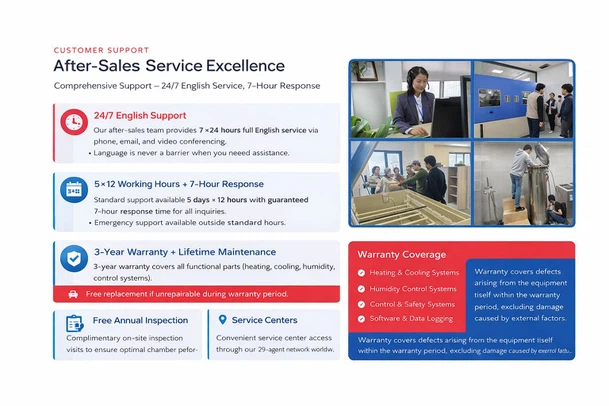
1. Any customization can be made. LIB offers a 3-year warranty and lifetime service.
2. Any issues that cannot be resolved during the warranty period will be replaced free of charge.
4. 24/7 English-speaking after-sales team. Fast shipping within 7-15 days.
5. 24-hour rapid response team providing solutions
LIB UV aging test chambers help manufacturers accelerate real-world aging simulations with confidence. From precise UV lamps to multi-environment simulation including rain, high temperature, and humidity, LIB ensures each test is accurate, efficient, and hassle-free.
Contact LIB Industry to explore your exclusive UV testing solution today.