In today's global marketplace, products must withstand diverse environmental conditions to ensure reliability and longevity. From public utilities such as streetlights or traffic lights to private property such as cars or mobile phones, we don't want any damage during rains or Underwater. Among these conditions, rain poses a significant challenge to many products, from electronics to outdoor equipment. This article delves into the crucial role of rain testing in product development and quality assurance, highlighting the importance of rain test chambers in this process.



The Significance of Rain Testing in Product Development
Rain testing is a vital component of product development, particularly for items exposed to outdoor environments or moisture-rich conditions. Let's explore why manufacturers across industries prioritize this crucial testing process.
-
Ensuring Product Durability and Longevity
Products subjected to rain and moisture can experience accelerated wear and tear, corrosion, or electrical malfunctions. Rain testing helps manufacturers identify potential vulnerabilities and address them before products reach consumers. By simulating various rain conditions in a controlled environment, companies can enhance their products' durability and extend their lifespan, ultimately improving customer satisfaction and brand reputation.
-
Compliance with Industry Standards and Regulations
Many industries have specific standards and regulations regarding product performance under wet conditions. Rain testing ensures that products meet these requirements, which may include water resistance ratings, ingress protection (IP) standards, or industry-specific certifications. Compliance with these standards not only ensures product quality but also facilitates market entry and international trade.
-
Mitigating Liability and Warranty Claims
Inadequately tested products can lead to costly warranty claims and potential liability issues if they fail due to rain exposure. By conducting thorough rain testing, manufacturers can identify and rectify potential problems before products reach the market. This proactive approach helps minimize financial risks associated with product failures and enhances consumer trust in the brand.
The Role of Rain Test Chambers in Product Evaluation
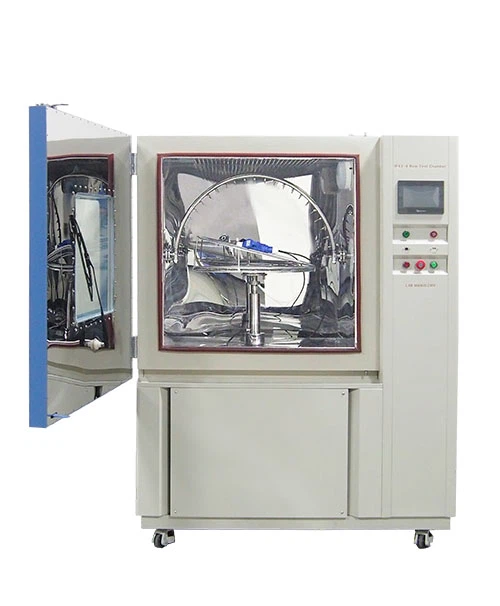
Rain test chambers play a pivotal role in simulating real-world rain conditions for product testing. These specialized chambers offer numerous advantages over outdoor testing, providing consistent and repeatable results crucial for product development and quality assurance.
-
Controlled Environment for Precise Testing
Rain test chambers create a controlled environment where manufacturers can precisely regulate factors such as rainfall intensity, droplet size, and wind speed. This level of control allows for standardized testing procedures and enables engineers to assess product performance under specific rain conditions. The ability to replicate exact scenarios ensures consistency across multiple tests and product iterations.

-
Accelerated Testing Capabilities
One of the key advantages of using rain test chambers is the ability to conduct accelerated testing. These chambers can simulate months or years of rain exposure in a matter of days or weeks, significantly reducing product development timelines. This accelerated testing capability allows manufacturers to quickly identify potential issues and implement solutions, ultimately bringing products to market faster without compromising quality.

-
Versatility in Testing Various Rain Conditions
Rain test chambers offer versatility in simulating diverse rain conditions, from light drizzles to heavy downpours. Advanced chambers can even replicate specific geographic rainfall patterns, allowing manufacturers to tailor their testing to target markets or regions. This flexibility ensures that products are thoroughly evaluated under a wide range of realistic scenarios, enhancing their overall reliability and performance.
LIB rain test chambers
We are Test equipment experts
The company is recognized as a world leader in Reliability test equipment design and offers products and services of exceptional quality.
-
30 +Global agencyEasy to purchase
-
5 +Global service centerExpert worker

Key Considerations in Rain Testing Procedures
When conducting rain testing, attention to detail and precision are paramount to ensure that the results are both accurate and applicable to real-world conditions. Key considerations in rain testing procedures involve several critical steps.
Determining Appropriate Test Parameters
Determining appropriate test parameters is essential. This includes selecting the correct rainfall intensity, droplet size, duration of exposure, and wind speed. These parameters must be carefully calibrated based on the product's intended environment, usage, and the standards that apply within its target market. Consulting LIB Industry experts or specialists in environmental testing can provide invaluable insights, ensuring that the chosen conditions reflect realistic scenarios that the product might encounter.
Selecting the Right Rain Test Chamber
Selecting the right rain test chamber is crucial. The chamber must be equipped with the appropriate features, such as the correct spray nozzle configuration, sufficient size to accommodate the product, and additional capabilities like wind simulation or temperature control. These features ensure that the testing environment closely mimics the conditions under which the product will be used, providing more accurate and reliable data.
Interpreting and Applying Test Results
Analyzing and interpreting rain test results is a critical step in the product development process. This involves assessing any physical damage, measuring water ingress, and evaluating the product's functionality post-testing. The insights gained from these tests should be used to refine product design, improve manufacturing processes, or enhance protective measures against rain and moisture.
Conclusion
In conclusion, rain testing is an indispensable aspect of product development and quality assurance. By utilizing specialized rain test chambers, manufacturers can ensure their products meet the highest standards of reliability and performance in wet conditions. This commitment to thorough testing not only enhances product quality but also builds consumer trust and strengthens brand reputation in an increasingly competitive global market.
Are you looking to enhance your product's reliability through comprehensive rain testing? Contact LIB Industry today for expert guidance and state-of-the-art Rain Test Chamber solutions. Our team is ready to assist you in developing robust, weather-resistant products that stand the test of time. Reach out to us at info@libtestchamber.com.
References
1. Johnson, A. (2021). "Environmental Testing in Product Development: A Comprehensive Guide." Journal of Quality Assurance, 45(3), 201-215.
2. Smith, B., & Thompson, C. (2020). "The Impact of Rain Testing on Product Longevity and Consumer Satisfaction." International Journal of Consumer Products, 18(2), 89-104.
3. Lee, S., et al. (2022). "Advancements in Rain Test Chamber Technology: A Review." Journal of Environmental Testing Methods, 33(1), 15-30.
4. Garcia, M., & Wong, L. (2019). "Regulatory Compliance and Rain Testing: A Global Perspective." Handbook of International Standards and Regulations, 2nd Edition, 412-428.
5. Patel, R. (2023). "Accelerated Environmental Testing: Balancing Speed and Accuracy in Product Development." Tech Innovation Quarterly, 7(4), 55-70.
6. Nakamura, H., & Anderson, K. (2021). "The Economic Impact of Comprehensive Environmental Testing on Product Liability and Warranty Claims." Risk Management in Manufacturing, 29(3), 178-193.