


Are there any energy - saving tips for a cold room?
As a cold room supplier, I've encountered numerous clients concerned about energy consumption in their cold rooms. Energy efficiency is not only crucial for reducing operational costs but also for environmental sustainability. In this blog, I'll share some practical energy - saving tips for cold rooms.
1. Proper Insulation
One of the most fundamental aspects of energy - saving in a cold room is proper insulation. High - quality insulation materials can significantly reduce the amount of heat transfer between the inside and outside of the cold room. For example, using polyurethane foam insulation with a high R - value can provide excellent thermal resistance.
When installing insulation, ensure that there are no gaps or seams where heat can leak through. Sealing all joints and penetrations with appropriate sealants is essential. Additionally, regular inspections of the insulation are necessary to detect and repair any damage or wear over time. A well - insulated cold room will require less energy to maintain the desired temperature, leading to substantial energy savings in the long run.
2. Efficient Refrigeration System
The refrigeration system is the heart of a cold room, and its efficiency plays a vital role in energy consumption. When selecting a refrigeration system for your cold room, consider factors such as the size of the room, the required temperature range, and the cooling capacity. Opt for energy - efficient compressors and condensers that are designed to operate with minimal power consumption.
Modern refrigeration systems often come with advanced features such as variable speed drives (VSDs). VSDs allow the compressor to adjust its speed according to the actual cooling demand, rather than running at a constant high speed. This results in significant energy savings, especially during periods of low cooling requirements.
Regular maintenance of the refrigeration system is also crucial. Keep the condenser coils clean to ensure efficient heat transfer. Dirty coils can reduce the system's efficiency and increase energy consumption. Check the refrigerant levels regularly and ensure that there are no leaks. A refrigerant leak not only affects the cooling performance but also wastes energy.
3. Optimal Door Management
Doors are a major source of heat infiltration in a cold room. Every time the door is opened, warm air enters the cold room, and the refrigeration system has to work harder to remove the extra heat. To minimize heat infiltration, install self - closing doors with proper gaskets. The gaskets should form a tight seal around the door to prevent air leakage.
Limit the frequency and duration of door openings. Train employees on the importance of closing the door promptly after entering or exiting the cold room. Consider installing air curtains at the entrance of the cold room. Air curtains create a barrier of high - velocity air that helps to reduce heat transfer when the door is open.
4. Temperature and Humidity Control
Maintaining the correct temperature and humidity levels in a cold room is essential for both product quality and energy efficiency. Set the temperature and humidity controls accurately according to the requirements of the stored products. Avoid over - cooling or over - dehumidifying, as this can waste energy.
Use temperature and humidity sensors to monitor the conditions inside the cold room. These sensors can provide real - time data, allowing you to make adjustments to the refrigeration system as needed. Some advanced systems can even be programmed to automatically adjust the temperature and humidity based on pre - set parameters.
5. Lighting Efficiency
Lighting in a cold room can also contribute to energy consumption. Replace traditional incandescent or fluorescent lights with energy - efficient LED lights. LED lights consume significantly less energy and produce less heat, which is beneficial for maintaining the cold room temperature.
Install motion sensors for the lighting system. This ensures that the lights are only on when someone is in the cold room, reducing unnecessary energy usage.
6. Load Management
Proper load management is another important aspect of energy - saving in a cold room. Avoid overloading the cold room, as this can put additional stress on the refrigeration system and increase energy consumption. Ensure that there is sufficient air circulation around the stored products to allow for efficient cooling.
Group products with similar temperature requirements together. This allows the refrigeration system to operate more efficiently by maintaining a more consistent temperature throughout the cold room.
7. Regular Monitoring and Auditing
Regularly monitor the energy consumption of your cold room. Keep track of the electricity bills and compare them over time to identify any trends or anomalies. Conduct energy audits to assess the overall energy efficiency of the cold room. An energy audit can help you identify areas where improvements can be made and estimate the potential energy savings.
Our Cold Room Products
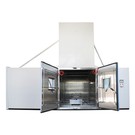
At our company, we offer a wide range of high - quality cold rooms, including Removable Walk In Chamber, Walk in Stability Chamber, and Walk In Climatic Chamber. Our products are designed with energy efficiency in mind, incorporating the latest technologies and best practices to help you save on energy costs.
If you're interested in purchasing a cold room or need more information about energy - saving solutions, we're here to help. Our team of experts can provide you with personalized advice and guidance based on your specific requirements. Contact us today to start a discussion about your cold room needs and explore the energy - saving opportunities available.


References
- ASHRAE Handbook - Refrigeration. American Society of Heating, Refrigerating and Air - Conditioning Engineers.
- Energy Star guidelines for commercial refrigeration equipment. U.S. Environmental Protection Agency.
- International Institute of Refrigeration (IIR) publications on cold room design and energy efficiency.