


Can a UV Chamber be Used for Growing Plants under UV Light?
In recent years, the use of ultraviolet (UV) light in plant cultivation has emerged as a topic of significant interest. As a supplier of UV chambers, I often encounter inquiries regarding the feasibility and benefits of using our chambers for plant growth under UV light. In this blog post, I aim to explore this question in depth, examining the scientific basis, potential advantages, and considerations associated with using a UV chamber for plant cultivation.
The Science Behind UV Light and Plant Growth
To understand whether a UV chamber can be used for growing plants, it is essential to first grasp the role of UV light in plant physiology. UV light is divided into three categories: UVA (320 - 400 nm), UVB (280 - 320 nm), and UVC (100 - 280 nm). UVC is mostly absorbed by the Earth's atmosphere and is generally not considered in plant growth studies. UVA and UVB, on the other hand, can have both positive and negative effects on plants.
Plants have evolved to respond to UV light as part of their natural environment. Exposure to low levels of UV light can trigger various physiological and biochemical responses in plants. For instance, UV light can stimulate the production of secondary metabolites such as flavonoids and phenolic compounds. These compounds play crucial roles in protecting plants from UV damage, as well as enhancing their resistance to pests and diseases. Flavonoids, in particular, act as natural sunscreens, absorbing UV light and preventing it from causing damage to the plant's DNA and other cellular components.
Moreover, UV light can also influence plant morphology and development. Some studies have shown that exposure to UV light can lead to shorter, sturdier plants with thicker leaves. This is thought to be an adaptive response to protect the plant from the potentially harmful effects of UV radiation. Additionally, UV light can affect the flowering and fruiting processes in some plant species, potentially leading to increased yields and improved fruit quality.
Advantages of Using a UV Chamber for Plant Growth
One of the primary advantages of using a UV chamber for plant growth is the ability to precisely control the UV light environment. In a natural outdoor setting, plants are exposed to variable levels of UV light depending on factors such as time of day, season, and geographical location. By using a UV chamber, growers can provide a consistent and tailored UV light regime that meets the specific needs of their plants. This can be particularly beneficial for plants that require specific levels of UV light for optimal growth and development.
Another advantage is the ability to protect plants from excessive UV exposure. While low levels of UV light can be beneficial for plants, excessive exposure can cause damage to the plant's cells and tissues. A UV chamber allows growers to limit the amount of UV light that plants are exposed to, ensuring that they receive the right amount of UV light without suffering from UV-induced damage.
Furthermore, a UV chamber can provide a controlled environment for conducting research on the effects of UV light on plant growth. Scientists and researchers can use UV chambers to study the specific mechanisms by which UV light affects plant physiology and development. This can lead to a better understanding of how to optimize plant growth and improve crop yields using UV light.
Considerations When Using a UV Chamber for Plant Growth
Despite the potential benefits, there are also several considerations that need to be taken into account when using a UV chamber for plant growth. One of the main considerations is the appropriate level of UV light intensity. Different plant species have different tolerance levels to UV light, and excessive exposure can cause damage to the plants. Therefore, it is crucial to determine the optimal UV light intensity for each plant species based on scientific research and experimentation.
Another consideration is the duration of UV light exposure. Just like with intensity, the duration of UV light exposure needs to be carefully controlled. Prolonged exposure to UV light can lead to cumulative damage to the plants, even if the intensity is within the acceptable range. Growers should follow recommended guidelines for UV light exposure duration based on the specific plant species they are cultivating.
In addition, the quality of the UV light source is also important. Not all UV light sources are created equal, and different types of UV lamps can emit different spectra of UV light. It is essential to choose a high-quality UV light source that emits the appropriate wavelengths of UV light for the desired plant responses. Our company offers a range of UV chambers equipped with [mention specific features of your UV light sources, e.g., adjustable wavelengths, high efficiency].


Our UV Chambers for Plant Growth
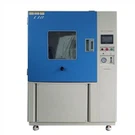
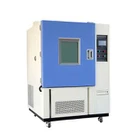
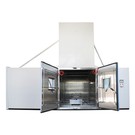
As a supplier of UV chambers, we offer a range of products that are suitable for plant growth under UV light. Our UV chambers are designed with advanced technology to provide precise control over the UV light environment. They are equipped with high-quality UV lamps that emit the appropriate wavelengths of UV light for plant growth.
Our UV chambers also feature adjustable settings for UV light intensity and duration, allowing growers to customize the UV light regime according to the specific needs of their plants. In addition, the chambers are designed to provide a stable and uniform UV light distribution, ensuring that all plants within the chamber receive consistent exposure.
To ensure the safety and reliability of our products, we conduct rigorous quality control tests on all our UV chambers. Our chambers are also equipped with safety features such as overheat protection and automatic shut-off systems to prevent any potential hazards.
Related Products for UV Testing
In addition to our UV chambers for plant growth, we also offer a range of related products for UV testing. These products can be useful for growers who want to monitor and evaluate the UV light environment in their plant growth chambers. For example, our Uv Light Tester can accurately measure the intensity and spectrum of UV light, allowing growers to ensure that the UV light levels in their chambers are within the desired range.
Our Fadeometer is another useful tool for evaluating the long-term effects of UV light on plant materials. It can simulate the effects of long-term UV exposure in a short period of time, helping growers to assess the durability and resistance of their plants to UV damage.
Furthermore, our UV Fluorescence Durability Tester can be used to test the fluorescence properties of plant materials under UV light. This can provide valuable information about the plant's ability to absorb and utilize UV light, as well as its overall health and vitality.
Conclusion
In conclusion, a UV chamber can be a valuable tool for growing plants under UV light. By providing a controlled and precise UV light environment, growers can potentially enhance plant growth, improve plant health, and increase yields. However, it is important to carefully consider the specific needs of the plants and to follow appropriate guidelines for UV light exposure.
As a leading supplier of UV chambers, we are committed to providing high-quality products and solutions for plant growth under UV light. Our range of UV chambers and related testing products are designed to meet the diverse needs of growers and researchers. If you are interested in learning more about our products or have any questions regarding the use of UV chambers for plant growth, please feel free to contact us for further information and to discuss your specific requirements. We look forward to the opportunity to work with you and help you achieve optimal results in your plant cultivation endeavors.
References
- Jenkins, G. I., & Brown, B. A. (2007). UV-B perception and signalling. New Phytologist, 174(4), 693 - 708.
- Hideg, E., & Strid, Å. (2002). Ultraviolet-B radiation and plants: Balancing damage, repair and acclimation. Trends in Plant Science, 7(1), 13 - 18.
- Ballaré, C. L., Scopel, A. L., & Sánchez, R. A. (2011). Plant responses to solar ultraviolet radiation. Annual Review of Plant Biology, 62, 235 - 260.