


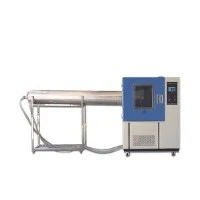
As a provider of cold rooms, I've encountered numerous inquiries regarding the suitability of cold rooms for vaccine storage. Given the critical nature of vaccines in global health initiatives, ensuring their proper storage is not just a matter of compliance but also a moral responsibility. In this blog, I'll delve into the technical, regulatory, and practical aspects of using cold rooms for vaccine storage.
Technical Requirements for Vaccine Storage
Vaccines are biological products that are highly sensitive to temperature fluctuations. Most vaccines need to be stored within a narrow temperature range, typically between 2°C and 8°C. Deviations from this range can lead to a loss of vaccine potency, rendering them ineffective or even harmful.
Cold rooms are designed to maintain a stable temperature environment. They are equipped with advanced refrigeration systems that can precisely control the temperature within the desired range. The insulation materials used in cold rooms play a crucial role in minimizing heat transfer from the outside, ensuring that the internal temperature remains consistent.
For example, our cold rooms are built with high - density polyurethane insulation panels. These panels have excellent thermal insulation properties, which help to keep the cold air inside and the warm air outside. The refrigeration units are selected based on the size of the cold room and the required temperature range. They are capable of rapid cooling and can adjust to changes in load, such as when new vaccines are added to the storage.
In addition to temperature control, humidity also needs to be monitored and controlled in vaccine storage. High humidity can cause condensation on the vaccine vials, which may lead to label damage and potential contamination. Our cold rooms are equipped with dehumidification systems to maintain the relative humidity at an appropriate level, usually between 30% and 70%.
Regulatory Compliance
The storage of vaccines is subject to strict regulatory requirements. International organizations such as the World Health Organization (WHO) and national health authorities have established guidelines for vaccine storage and transportation. These guidelines aim to ensure the safety and efficacy of vaccines throughout the supply chain.
Cold rooms used for vaccine storage must meet these regulatory standards. This includes having proper documentation of temperature and humidity monitoring, as well as regular maintenance and calibration of the equipment. Our cold rooms come with a comprehensive monitoring system that records temperature and humidity data at regular intervals. This data can be easily accessed and exported for compliance reporting.
We also provide installation and commissioning services that comply with all relevant regulations. Our technicians are trained to ensure that the cold room is installed correctly and that all safety features are functioning properly. Once the cold room is installed, we offer ongoing maintenance and support to ensure that it continues to meet the regulatory requirements.
Practical Considerations
When considering using a cold room for vaccine storage, there are several practical factors to take into account. The location of the cold room is important. It should be placed in a well - ventilated area away from direct sunlight and heat sources. This helps to reduce the load on the refrigeration system and ensures more stable temperature control.
The layout of the cold room also matters. Vaccines should be stored in an organized manner, with proper shelving and storage units. This makes it easier to access the vaccines and to conduct inventory management. Our cold rooms can be customized with different shelving options to meet the specific needs of vaccine storage.
Another practical consideration is the backup power supply. In the event of a power outage, vaccines can be at risk of temperature excursions. Our cold rooms can be equipped with backup generators or uninterruptible power supplies (UPS) to ensure continuous operation during power disruptions.
Comparison with Other Storage Solutions
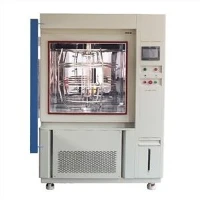
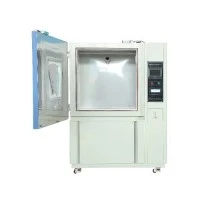
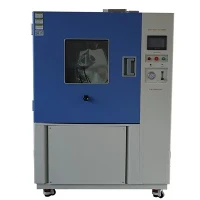
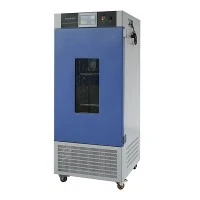
There are other storage solutions available for vaccines, such as Walk in Temperature Chamber, Environmental Conditioning Chamber, and Walk In Climatic Chamber. These chambers are often used for research and testing purposes, where more precise environmental control is required.
However, for large - scale vaccine storage, cold rooms are a more practical and cost - effective solution. Cold rooms can be built to a much larger size, allowing for the storage of a large quantity of vaccines. They are also easier to operate and maintain compared to specialized chambers.
Conclusion
In conclusion, cold rooms can be effectively used for vaccine storage. They offer the necessary temperature and humidity control, comply with regulatory requirements, and are practical for large - scale storage. As a cold room provider, we are committed to providing high - quality cold rooms that meet the specific needs of vaccine storage.


If you are in the market for a cold room for vaccine storage, I encourage you to reach out to us for a consultation. We can help you determine the right size and configuration of the cold room based on your requirements. Our team of experts will guide you through the entire process, from design and installation to ongoing maintenance. Don't hesitate to contact us to discuss your vaccine storage needs and explore how our cold rooms can provide a reliable solution.
References
- World Health Organization. (20XX). Guidelines for vaccine storage and transportation.
- Centers for Disease Control and Prevention. (20XX). Best practices for vaccine storage and handling.