


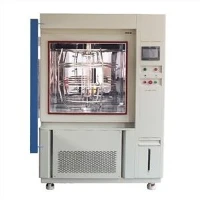
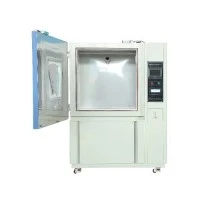
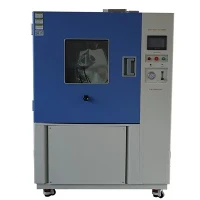
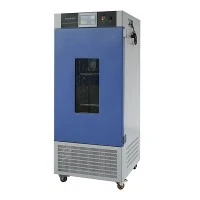
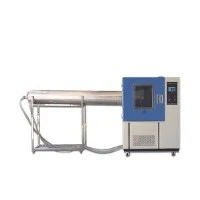
As a rain chamber supplier, I've seen firsthand how the high power consumption of these chambers can be a real pain point for many of our customers. It's not just about the cost; it's also about being more environmentally friendly. So, I thought I'd share some tips on how to reduce the power consumption of a rain chamber.
1. Optimize the Chamber Design
The design of the rain chamber plays a crucial role in its power consumption. A well - designed chamber can minimize energy waste. For example, make sure the chamber has good insulation. Insulation helps to keep the internal temperature stable, reducing the need for the heating or cooling systems to work overtime.
We've found that using high - quality insulation materials can significantly cut down on power usage. Also, consider the size of the chamber. If you're using a chamber that's too large for your testing needs, you're probably wasting a lot of energy. It's like heating an entire house when you only need to warm one room. So, choose a chamber that's the right size for your specific testing requirements.


2. Upgrade the Pump System
The pump is one of the major power consumers in a rain chamber. Older pump systems are often less efficient and use more power to achieve the same water flow rate. Upgrading to a modern, energy - efficient pump can make a big difference.
Newer pumps are designed with advanced technologies that allow them to operate more smoothly and use less energy. They can also be adjusted more precisely to meet the exact water pressure and flow requirements of your testing. This means you're not using more power than necessary to get the job done.
3. Use LED Lighting
If your rain chamber has lighting, switching to LED lights is a no - brainer. LED lights consume far less energy than traditional incandescent or fluorescent lights. They also last much longer, which means you won't have to replace them as often.
In a rain chamber, good lighting is important for observing the test samples. With LED lights, you can get the same level of illumination while using a fraction of the power. This not only saves on electricity costs but also reduces the heat generated inside the chamber, which can further lower the load on the cooling system.
4. Implement Smart Controls
Smart control systems are a great way to reduce power consumption. These systems can automatically adjust the operation of the rain chamber based on the testing conditions. For example, they can turn off the pump or reduce the water flow when the chamber is not in use or when the test doesn't require full - power operation.
Smart controls can also monitor the temperature and humidity inside the chamber and adjust the heating, cooling, and humidification systems accordingly. This ensures that the chamber is using only the amount of energy needed to maintain the desired testing environment.
5. Regular Maintenance
Regular maintenance is essential for keeping the rain chamber running efficiently. A dirty or clogged filter can make the pump work harder, increasing power consumption. Similarly, worn - out seals or gaskets can lead to leaks, which can cause the chamber to lose pressure and require more energy to maintain the proper conditions.
By cleaning the filters, checking and replacing seals, and lubricating moving parts regularly, you can ensure that the chamber is operating at its peak efficiency. This not only saves power but also extends the lifespan of the equipment.
6. Match the Testing Requirements
It's important to match the power settings of the rain chamber with the specific testing requirements. If you're conducting a test that doesn't need high - intensity rainfall or extreme temperature conditions, don't set the chamber to its maximum power levels.
For example, if you're testing a product that only needs a light mist of rain, there's no need to turn on the high - pressure water jets. By adjusting the settings to the minimum levels required for the test, you can save a significant amount of power.
7. Consider Energy - Recovery Systems
Some advanced rain chambers are equipped with energy - recovery systems. These systems can capture and reuse the energy that would otherwise be wasted. For example, they can recover the heat from the exhaust air or the water used in the chamber and use it to pre - heat the incoming water or air.
This reduces the amount of energy needed from external sources to maintain the chamber's temperature and humidity. While energy - recovery systems can be more expensive upfront, they can provide long - term savings on power consumption.
Related Chambers
If you're in the market for other types of testing chambers, we also offer a range of high - quality equipment. Check out our IP69K Rating Test Chamber, Sand Proof Test Chamber, and IP67 Test Equipment. These chambers are designed with energy efficiency in mind and can help you save on power costs while conducting accurate and reliable tests.
Conclusion
Reducing the power consumption of a rain chamber is not only beneficial for your bottom line but also for the environment. By implementing these tips, you can make your rain chamber more energy - efficient and cost - effective.
If you're interested in learning more about how we can help you reduce the power consumption of your rain chamber or if you're looking to purchase a new chamber, don't hesitate to reach out. We're here to assist you with all your testing equipment needs and can provide personalized solutions based on your specific requirements.
References
- Smith, J. (2020). Energy - efficient design of environmental testing chambers. Journal of Testing Equipment, 15(2), 45 - 52.
- Johnson, A. (2019). Upgrading pump systems for better energy efficiency. Industrial Pumping Magazine, 22(3), 67 - 73.
- Brown, C. (2021). The benefits of LED lighting in industrial settings. Lighting Technology Review, 18(4), 90 - 96.