

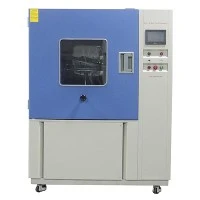

Can a Drying Oven be Used for Drying Rubber Products?
As a leading supplier of drying ovens, a question I often encounter is whether a drying oven can be used for drying rubber products. This is an important query, considering the unique characteristics of rubber and the diverse applications of drying ovens. In this blog, we'll explore the technical aspects, advantages, limitations, and best practices associated with using a drying oven for rubber product drying.


Understanding the Nature of Rubber
Rubber is a versatile material with a wide range of physical and chemical properties. Natural rubber, derived from the latex of rubber trees, and synthetic rubbers, such as styrene - butadiene rubber (SBR), nitrile rubber (NBR), and silicone rubber, have different compositions and behaviors. Rubber products can vary from small gaskets and seals to large industrial tires.
One of the key properties of rubber is its elasticity, which is due to its long - chain polymer structure. However, this structure also makes rubber sensitive to environmental factors such as temperature, humidity, and chemicals. For example, high temperatures can cause rubber to degrade, lose its elasticity, and even change its chemical composition.
The Function of a Drying Oven
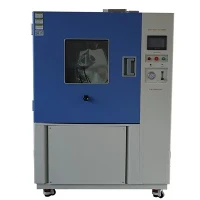
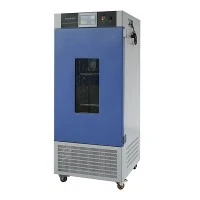
A drying oven is a device designed to remove moisture from materials by applying heat. It works by circulating hot air inside a sealed chamber, which evaporates the water present in the material. Drying ovens come in various types and sizes, with different temperature control ranges and features. Some are designed for general laboratory use, while others are more specialized for industrial applications.
Our drying ovens are equipped with advanced temperature control systems that ensure precise and uniform heating throughout the chamber. This is crucial for achieving consistent drying results, especially when dealing with large batches of products. Additionally, we offer a range of options such as adjustable shelves, ventilation systems, and safety features to meet the specific needs of different industries.
Can a Drying Oven be Used for Rubber Products?
The short answer is yes, a drying oven can be used for drying rubber products, but with certain considerations.
Advantages
- Efficient Moisture Removal: Drying ovens can quickly and effectively remove moisture from rubber products. This is important because moisture can affect the mechanical properties of rubber, leading to reduced strength and durability. By eliminating moisture, the rubber maintains its elasticity and performance.
- Uniform Drying: The hot - air circulation in a drying oven ensures that the rubber products are dried evenly. This is crucial for products with irregular shapes or large cross - sections, as it prevents uneven drying that could cause warping or cracking.
- Sterilization: In addition to drying, the high temperatures in a drying oven can also act as a form of sterilization. This is beneficial for rubber products that are used in hygienic or medical applications, as it helps to eliminate bacteria and other microorganisms.
Limitations
- Temperature Sensitivity: As mentioned earlier, rubber is sensitive to high temperatures. Excessive heat can cause the rubber to harden, shrink, or even decompose. Therefore, it is essential to carefully control the temperature in the drying oven when drying rubber products. Most rubber materials can tolerate temperatures up to around 60 - 80°C, but this can vary depending on the type of rubber.
- Chemical Reactions: Some rubber formulations may contain additives or vulcanizing agents that can react with the hot air or other components in the drying oven. This can lead to changes in the rubber's properties, such as discoloration or a decrease in elasticity. It is important to understand the chemical composition of the rubber and select the appropriate drying conditions.
Best Practices for Drying Rubber Products in a Drying Oven
- Temperature Setting: Before placing the rubber products in the drying oven, determine the maximum temperature that the rubber can withstand. Set the oven temperature slightly below this limit to ensure safe and effective drying. For example, if the rubber can tolerate a maximum temperature of 70°C, set the oven to 65°C.
- Drying Time: The drying time depends on the size, thickness, and moisture content of the rubber products. Start with a shorter drying time and periodically check the products for dryness. Over - drying can be just as harmful as under - drying, so it is important to find the right balance.
- Ventilation: Proper ventilation is crucial to remove the moisture vapor from the oven. This helps to prevent the re - absorption of moisture by the rubber products and ensures efficient drying. Make sure the ventilation system in the oven is working properly and adjust it as needed.
Related Products
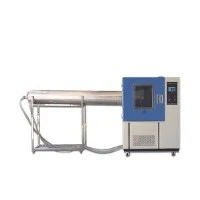
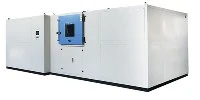
In addition to drying ovens, we also offer a range of other temperature and climate testing chambers that can be useful for rubber product testing and processing. These include:
- PV Degradation Testing Chamber: This chamber is designed to simulate the environmental conditions that can cause degradation of photovoltaic (PV) panels. It can also be used to test the durability of rubber products under different temperature, humidity, and light conditions.
- Thermal Cycling Climate Chamber: This chamber is used to subject products to repeated cycles of heating and cooling. It can help to identify potential weaknesses in rubber products due to thermal stress.
- Heat Cold Moisture Chamber: This chamber combines temperature and humidity control to simulate a wide range of environmental conditions. It is suitable for testing the performance of rubber products in different climates.
- PV Panel Humidity Freeze Chamber: Similar to the PV Degradation Testing Chamber, this chamber focuses on the effects of humidity and freezing on PV panels and can also be used for rubber product testing.
- Temperature And Humidity Controlled Cabinet: This cabinet provides precise control of temperature and humidity, making it ideal for storing and conditioning rubber products before and after testing.
Conclusion
In conclusion, a drying oven can be a valuable tool for drying rubber products, provided that the appropriate temperature and drying conditions are carefully controlled. By understanding the unique properties of rubber and following the best practices outlined in this blog, you can achieve efficient and effective drying results.
If you are interested in purchasing a drying oven or any of our other temperature and climate testing chambers for your rubber product processing or testing needs, we invite you to contact us for a detailed discussion. Our team of experts is ready to provide you with customized solutions based on your specific requirements.
References
LIB Industry Technical Team - providing technical information, testing methods, product specifications, and application guidance for vibration shaker and climate chamber systems and related calibration equipment.
- Smith, J. (2020). "Rubber Materials: Properties and Applications." Rubber Technology Journal, 45(2), 123 - 138.
- Johnson, A. (2019). "Drying Oven Technology and Its Applications in the Industrial Sector." Industrial Equipment Review, 32(4), 78 - 89.