


Hey there! If you're involved in the manufacturing or quality control of electronic devices, outdoor equipment, or any products that need to withstand water exposure, you've probably heard about the IPX3 test. As a supplier specializing in IPX3 test equipment, I'm here to break down exactly what gear you'll need to conduct these tests effectively.
First off, let's get a quick understanding of what the IPX3 test is. It's a standard test for water ingress protection, specifically testing how well a product can resist water sprayed at a 60-degree angle from vertical in both left and right directions. The idea is to simulate real-world conditions where products might be exposed to rain or splashes.
IPX3 Water Test Equipment
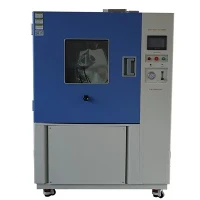
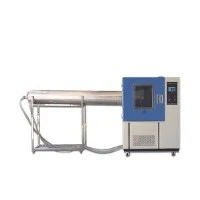
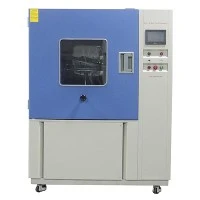
The cornerstone of any IPX3 test setup is the IPX3 Water Test Equipment. This device is designed to create the specific water spray conditions required for the IPX3 test. It usually comes with a nozzle system that can accurately spray water at the right angle and flow rate.
One of the key features to look for in IPX3 water test equipment is the ability to control the water pressure and flow rate precisely. This ensures that the test is conducted according to the standard. Most of the modern equipment also has adjustable nozzles, which allows you to change the spray pattern and angle as needed.


Another important aspect is the build quality of the equipment. It should be made of durable materials that can withstand constant water exposure without corroding or malfunctioning. A good quality IPX3 water test equipment can last for years with proper maintenance, which is a great investment for your testing facility.
Test Chamber
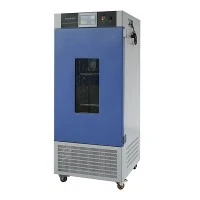
Sometimes, you might need a test chamber to enclose the product during the IPX3 test. A Liquid Ingress Protection Test Chamber is a great option for this. It helps to control the testing environment and prevent water from splashing all over the place.
These test chambers are usually made of transparent materials, so you can easily observe the product during the test. They also come with features like adjustable ventilation and temperature control, which can be useful if you want to simulate different environmental conditions.
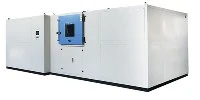
The size of the test chamber depends on the size of the products you're testing. For smaller products, a compact chamber might be sufficient, while larger products require a bigger chamber with more space. When choosing a test chamber, make sure it has enough room for the product and the IPX3 water test equipment to operate properly.
Water Supply System
A reliable water supply system is essential for the IPX3 test. You need a system that can provide a continuous flow of water at the right pressure. This can be achieved through a combination of pumps, water tanks, and pipes.
The water tank should be large enough to hold sufficient water for the duration of the test. It should also be easy to clean and maintain to prevent the buildup of dirt and debris. The pumps used in the water supply system should be able to generate the required pressure and flow rate without any fluctuations.
In addition, it's a good idea to have a water filtration system in place. This helps to remove any impurities from the water, which can affect the accuracy of the test and damage the equipment over time.
Monitoring and Control Devices
To ensure that the IPX3 test is carried out accurately and consistently, you need monitoring and control devices. These devices can help you keep track of important parameters like water pressure, flow rate, and spray angle.
Pressure gauges are used to monitor the water pressure in the system. They allow you to adjust the pressure as needed to meet the test requirements. Flow meters are used to measure the flow rate of water. This ensures that the right amount of water is being sprayed on the product during the test.
You might also need angle measurement devices to make sure that the water is being sprayed at the correct 60-degree angle. Some modern IPX3 test equipment comes with built-in sensors and digital displays that can show all these parameters in real-time, making it easier for you to control the test.
Other Optional Equipment
Depending on your specific testing needs, you might also need some additional equipment. For example, if you want to test products in a more realistic environment, you might consider a JIS D0203 Rain Spray Chamber. This chamber is designed to simulate actual rain conditions, providing a more accurate test of a product's water resistance.
If you're also planning to conduct other IP tests, such as IPX5 or IPX9K, you'll need to invest in the appropriate equipment. For IPX5 testing, you can use an IPX5 Waterproof Chamber, which is designed to test products against water jets. And for IPX9K testing, an IPX9K Testing Device is required. This device is used to test products against high-pressure, high-temperature water spray, which is often encountered in industrial environments.
Why Choose Our Equipment?
As an experienced IPX3 test equipment supplier, we pride ourselves on offering high-quality products and excellent customer service. Our equipment is designed and manufactured to meet international standards, ensuring accurate and reliable testing results.
We also provide comprehensive after-sales support, including installation, training, maintenance, and repair services. Our team of experts is always available to answer your questions and help you with any issues you might encounter.
Whether you're a small business just starting out with IP testing or a large corporation with high-volume testing needs, we have the right equipment and solutions for you. We're committed to helping you ensure the quality and reliability of your products, so you can have peace of mind knowing that they can withstand water exposure in real-world conditions.
Let's Talk!
If you're interested in purchasing IPX3 test equipment or have any questions about our products and services, don't hesitate to reach out. We're happy to discuss your specific requirements and provide you with a customized solution. Investing in the right IPX3 test equipment is crucial for ensuring the quality and safety of your products. So, let's start the conversation and find the best equipment for your needs.
References
- International Electrotechnical Commission (IEC) standards for IP ratings
- Technical documentation of related test equipment manufacturers