


As a trusted MIL-STD-810G supplier, I am often asked about the dust ingress protection test methods within this standard. MIL-STD-810G is a crucial military standard that provides guidelines for environmental testing of equipment to ensure its reliability and performance in various harsh conditions. Dust ingress protection tests are a vital part of this standard, as dust can cause significant damage to equipment, leading to malfunctions and reduced lifespan.
Understanding the Need for Dust Ingress Protection Tests
In many military and industrial applications, equipment is exposed to dusty environments. Whether it's desert operations, construction sites, or manufacturing facilities, dust particles can easily find their way into equipment. These particles can clog vents, damage moving parts, and interfere with electrical connections. To prevent such issues, it is essential to test equipment for its ability to withstand dust ingress.
Key Dust Ingress Protection Test Methods in MIL - STD - 810G
Procedure I: Blowing Dust Test
The blowing dust test in MIL - STD - 810G evaluates the ability of equipment to withstand the effects of blowing dust. This test simulates conditions where equipment is exposed to wind - carried dust particles.
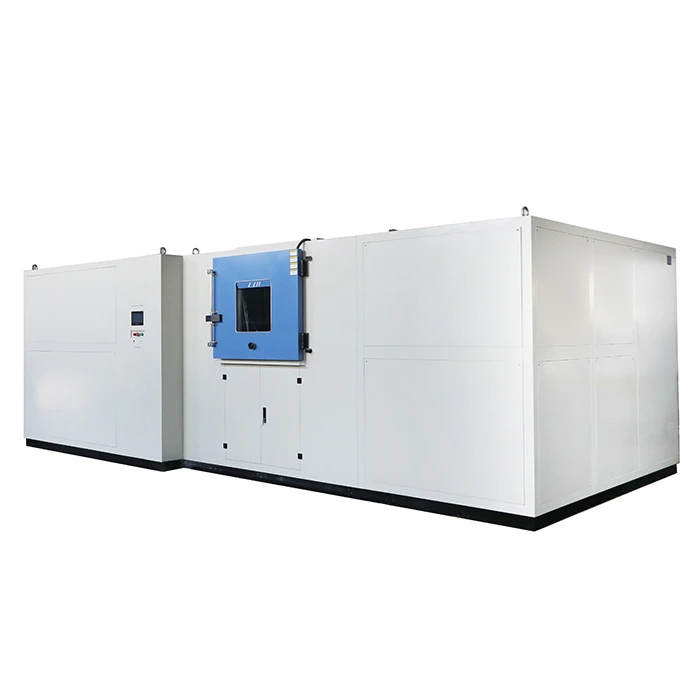

- Test Setup: A test chamber is used to create a controlled environment. The chamber is equipped with a dust dispersion system that can generate a uniform concentration of dust in the air. The equipment under test is placed inside the chamber.
- Test Parameters: The test duration, air velocity, and dust concentration are carefully controlled. The dust used in the test typically has specific particle size distributions to mimic real - world dust conditions. The air velocity can range from around 18 to 29 m/s, depending on the specified test conditions. The test duration can vary from several hours to days, depending on the equipment's intended use and the severity of the expected environment.
- Evaluation Criteria: After the test, the equipment is inspected for any signs of dust ingress. This includes checking for dust accumulation inside the equipment, damage to components, and changes in performance. For example, if the equipment is an electronic device, its electrical functionality is tested to ensure that there are no malfunctions caused by dust.
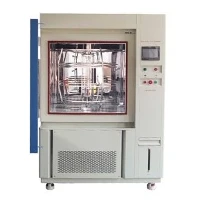
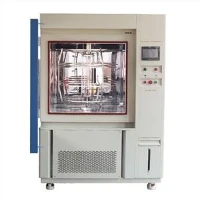
MIL-STD-810G 510 Blowing Dust And Sand Test Machine is specifically designed to conduct these blowing dust tests in accordance with MIL - STD - 810G requirements. It provides a reliable and accurate way to simulate the harsh dusty environments that military and industrial equipment may face.
Procedure II: Blowing Sand Test
The blowing sand test is similar to the blowing dust test but focuses on larger sand particles. Sand can cause more abrasion and physical damage to equipment compared to dust.
- Test Setup: Similar to the blowing dust test, a test chamber is used. However, the sand dispersion system is adjusted to handle the larger sand particles. The equipment is placed in the chamber, and the test conditions are set.
- Test Parameters: The air velocity is usually higher in the blowing sand test, often ranging from 26 to 40 m/s. The sand particle size and concentration are also carefully controlled. The test duration can be several hours to ensure that the equipment is thoroughly exposed to the sand environment.
- Evaluation Criteria: After the test, the equipment is inspected for signs of abrasion, erosion, and sand ingress. Components that are susceptible to wear, such as seals and moving parts, are closely examined. The performance of the equipment is also tested to ensure that it still functions as intended.
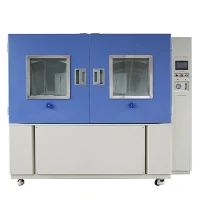
Blowing Sand And Dust Chamber is a state - of - the - art testing solution that can perform both blowing dust and blowing sand tests. It offers precise control over test parameters, ensuring accurate and reproducible results.
Additional Dust Ingress Tests and Related Equipment
IP68 Test
The IP68 rating is related to dust and water ingress protection. The IP (Ingress Protection) code system classifies the degree of protection provided by electrical enclosures. An IP68 rating means that the equipment is completely dust - tight and can withstand submersion in water under specific conditions.
- Test Setup: Specialized test equipment is used to create the test conditions. For the dust part of the IP68 test, a test chamber is used to expose the equipment to dust.
- Test Parameters: The dust concentration and exposure time are defined according to the IP68 standard. The test is designed to ensure that no dust can enter the equipment during the specified exposure period.
- Evaluation Criteria: After the dust test, the equipment is inspected to confirm that there is no dust inside. If the equipment also needs to pass the water submersion test, it is then subjected to the appropriate water - related tests.
IP68 Test Apparatus and IP68 Test Chamber are essential tools for conducting IP68 tests. They are designed to meet the strict requirements of the IP68 standard and provide reliable test results.
Blowing Sand Test Equipment
In addition to dedicated chambers, there is also specific blowing sand test equipment available. This equipment is designed to generate the required air velocity and sand dispersion for the blowing sand test.
- Functionality: The blowing sand test equipment can precisely control the air flow, sand particle size, and sand concentration. It can simulate different sand - blowing scenarios, allowing for comprehensive testing of equipment.
- Benefits: Using specialized blowing sand test equipment ensures that the test conditions are consistent and accurate. This helps in obtaining reliable test results and making informed decisions about the equipment's suitability for dusty and sandy environments.
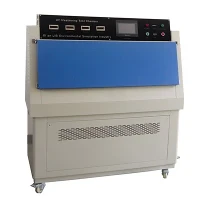
Blowing Sand Test Equipment is a high - quality option for conducting blowing sand tests. It is built to meet the rigorous standards of MIL - STD - 810G and other relevant testing requirements.
Importance of Accurate Testing for Suppliers and Customers
For us as a MIL - STD - 810G supplier, accurate dust ingress protection testing is of utmost importance. It allows us to provide our customers with equipment that meets or exceeds the required standards. By conducting comprehensive tests, we can identify any potential weaknesses in the equipment's design or construction and make necessary improvements before the equipment reaches the market.
For customers, reliable dust ingress protection is crucial for the proper functioning and longevity of their equipment. Whether it's for military operations, industrial applications, or other harsh environments, equipment that can withstand dust ingress is more likely to perform consistently and require less maintenance.
Conclusion and Call to Action
In conclusion, the dust ingress protection test methods in MIL - STD - 810G are essential for ensuring the reliability and performance of equipment in dusty environments. Our company, as a leading MIL - STD - 810G supplier, offers a range of high - quality testing equipment, including MIL-STD-810G 510 Blowing Dust And Sand Test Machine, Blowing Sand And Dust Chamber, IP68 Test Apparatus, Blowing Sand Test Equipment, and IP68 Test Chamber.
If you are in the market for reliable dust ingress protection testing solutions, we encourage you to contact us. Our team of experts is ready to assist you in selecting the right equipment for your specific testing needs. We can also provide you with detailed information about the testing processes and help you ensure that your equipment meets the strict requirements of MIL - STD - 810G and other relevant standards.
References
- MIL - STD - 810G, Department of Defense Test Method Standard for Environmental Engineering Considerations and Laboratory Tests.
- International Electrotechnical Commission (IEC) standards related to ingress protection (IP) ratings.